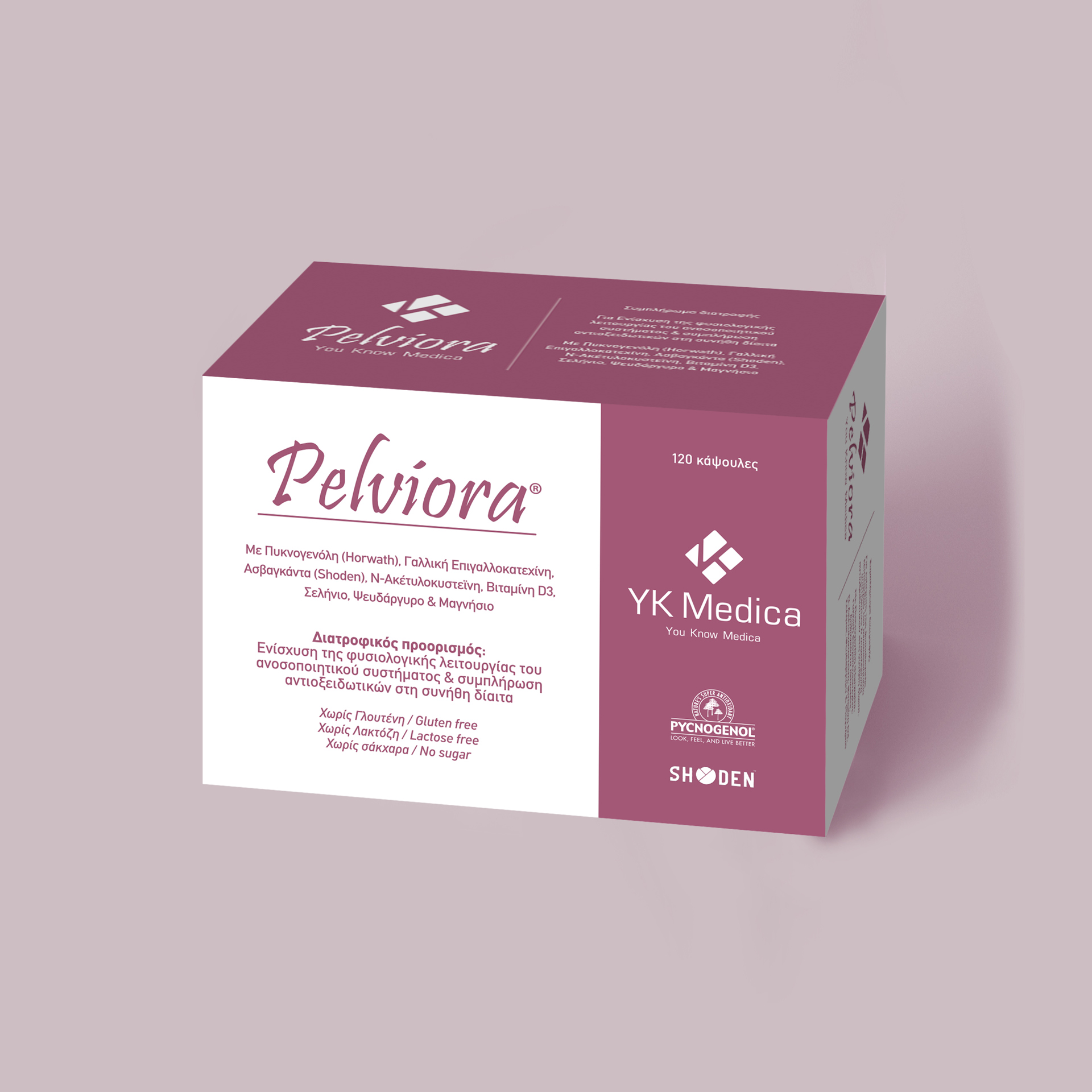
Pelviora
149,90 €
Pelviora® is a dietary supplement containing ingredients that boost the immune system, protect cells from oxidative stress, exert anti-inflammatory effects, reduce cortisol and anxiety, and improve sleep.
You will be able to add it to the checkout page.
Pelviora®
What is Pelviora® (120 capsules)?
Pelviora® is a dietary supplement that combines active ingredients with scientifically documented benefits, targeting specific areas.
The formulation of Pelviora® was inspired by published clinical studies documenting the reported beneficial (nutritional) effects of its selected ingredients—whether used individually or in combination—across various study groups. It was also specifically developed to address the nutritional needs of women suffering from conditions causing pelvic pain (endometriosis, adenomyosis, dysmenorrhea, dyspareunia, menopause) or of men and women with inflammatory joint conditions.
Its intended nutritional purpose is (in summary):
«Supporting the normal function of the immune system and supplementing the standard diet with antioxidants»
*For comprehensive information, you may wish to visit the scientific evidence section for Pelviora.
What is Pelviora® (120 caps) not?
Pelviora® is not a medicine
What is the packaging of Pelviora®?
Box with 120 capsules (8 x 15)
Why 120 capsules and not fewer?
Based on the recommended dosage and the available literature, the benefits of this nutritional regimen become measurably apparent after 3–6 months.
Why capsules and not another form?
Capsules were chosen to preserve the physicochemical characteristics of the ingredients and to ensure targeted daily intake and ease of administration (both practically and in terms of sensory experience).
Who can take Pelviora® and who cannot?
- Pelviora® may be taken to support normal immune system function and to supplement the diet with antioxidants, or as directed by healthcare professionals (based on the expected benefit assessed by the healthcare professional).
- It was designed with the specific nutritional needs in mind of women suffering from conditions causing pelvic pain (endometriosis, adenomyosis, dysmenorrhea, dyspareunia, menopause) or inflammatory joint conditions (regardless of gender).
- Regarding exclusions for the use/consumption of Pelviora®, please consult the section “Warnings regarding Pelviora intake.”
- In any case, it is recommended that you consult your doctor if you are currently on medication or have specific health issues.
What is the composition of Pelviora®?
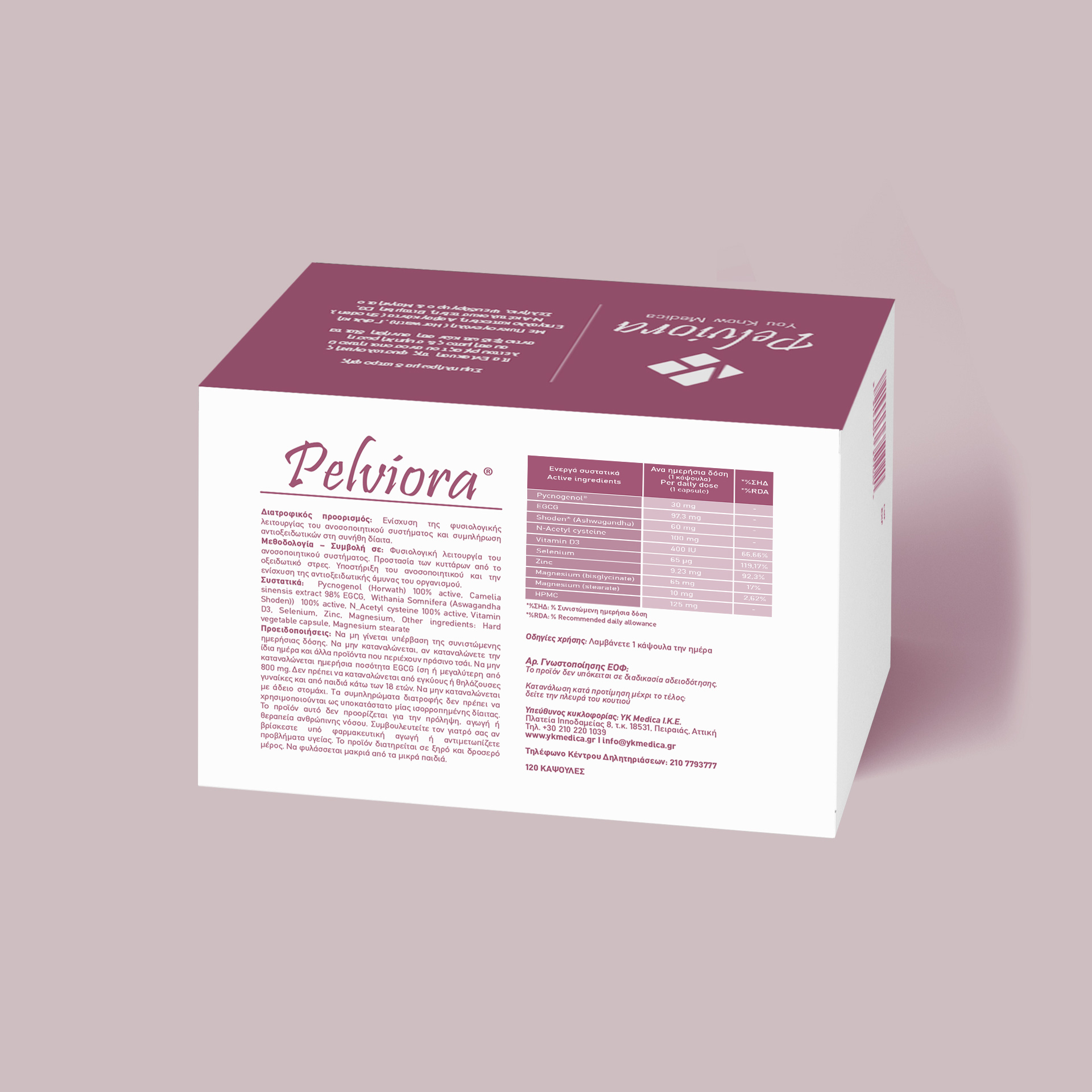
Pycnogenol® (Horphag), EGCG (Camelia sinensis extract 98%), Ashwagandha (Withanolide Glycosides NLT 35%) / Shoden® (Withania Somnifera extract), Vitamin D3 (Cholocalsiferol), N-Acetyl cysteine, Selenium (Sodium Selenate), Zinc (Zinc Sulfate), Magnesium (Magnesium Biglycinate), Magnesium (stearate), HPMC Other ingredients: Hard vegetable capsule, Magnesium stearate
| Active ingredients | Daily dose per capsule | %RDA |
|---|---|---|
| 1. Pycnogenol® (Horphag) | 30 mg | - |
| 2. EGCG | 97,3 mg | - |
| 3. Shoden® (Ashwagandha) | 60 mg | - |
| 4. N-Acetyl cysteine | 100 mg | - |
| 5. Vitamin D3 | 400 IU | 66,66% |
| 6. Selenium | 65 μg | 119,17% |
| 7. Zinc | 9,23 mg | 92,3% |
| 8. Magnesium (bisglycinate) | 65 mg | 17% |
| 9. Magnesium (stearate) | 10 mg | 2,62% |
| 10. HPMC | 125 mg | - |
*%RDA: % Recommended daily allowance
Dosage and duration of Pelviora® intake
- Two (2) capsules daily with a full stomach, for at least 3–6 months
- The attending physician may tailor the dosage. However, it is recommended not to exceed four (4) capsules per day.
Warnings regarding the use of Pelviora®
- Do not exceed the recommended daily dose (Consult a healthcare professional!)
- Do not consume simultaneously or concurrently (on the same day) with other products containing green tea
- Do not consume a daily amount of EGCG equal to or greater than 800 mg
- Not to be consumed by pregnant or lactating women and by children under 18 years of age
- Do not consume on an empty stomach
- As a dietary supplement, it should not be used as a substitute for a balanced diet
- Not intended for the prevention, treatment or cure of human disease
- Gluten free
- Lactose free
- Sugar-free
- Consult your doctor if you are on medication or have health problems
- Keep in a dry and cool place
- Keep out of reach of small children
- (Hellenic) Poisoning Care Line Telephone: +30 210 7793777
Is Pelviora® licensed by the EOF (National Drug Organization of Greece) ?
As a dietary supplement, Pelviora® is not subject to a licensing process.
115524/23-9-2026
Who is the marketing authorization holder for Pelviora®?
YK Medica P.C.
Ippodameias Square 8, Piraeus, 18531, Attica
Phone. +30 210 220 1039
www.ykmedica.gr | info@ykmedica.gr
Barcode: 5 214003 351020

Inspiration & Methodology
From the literature … to Pelviora®
Pelvis and Joints (sharing Inflammation and Pain as common factors)
Nutritional needs, potential deficiencies, and supportive approach
- Endometriosis
- Adenomyosis
- Dysmenorrhea
- Dyspareunia
- Menopause
- Inflammatory arthritis
Summary
- Pathological conditions & symptom mechanisms.
- Need for targeted nutritional management andcommon potential nutritional gaps
- Pain, bleeding, gastrointestinal symptoms, and adverse drug reactions in relation to nutrition
- Nutrition (which does not replace medical treatment) acts as a complement—within a holistic management framework or as an alternative approach employed by specialists—to address therapeutic gaps
Endometriosis
- Chronic, estrogen-dependent inflammatory disease characterized by the presence of endometrial-like tissue outside the uterus
- Commonly presents with: pelvic pain, dysmenorrhea, pain during intercourse, bowel/bladder symptoms, and potential infertility.
Adenomyosis
- Endometrial tissue grows within the myometrium
- Often causes heavy/prolonged menstruation and severe pain
- Iron loss and risk of iron deficiency/anemia; management of the bleeding and the disease by a gynecologist remains a priority.
Dysmenorrhea
- Painful menstruation; most commonly due to increased prostaglandin activity in the primary form
- May coexist with endometriosis, adenomyosis, or other gynecological conditions.
Dyspareunia
- Pain before, during, or after sexual intercourse; can be superficial or deep
- Potential causes: endometriosis, pelvic floor issues, dryness/hormonal changes, infections, and other gynecological or psychosocial causes
Menopause
- The decline in ovarian hormones affects bones, muscle mass, lipids, and cardiometabolic risk, as well as symptoms such as hot flashes and sleep disturbances.
Inflammatory joint conditions
- These include diseases such as rheumatoid arthritis, psoriatic arthritis, and other forms of inflammatory arthritis.
Potential nutritional gaps due to illness
- Heavy menstruation → iron/anemia.
- Pain, fatigue, or nausea → reduced energy and protein intake.
- Gastrointestinal symptoms → food restriction and potential low intake of fiber/micronutrients.
- Reduced mobility → loss of muscle mass and reduced bone loading.
- Restrictive “anti-inflammatory” diets → risk of deficiencies if not properly planned.
Medications: points to consider
- NSAIDs: frequently used for pain; may cause gastrointestinal discomfort and, in some individuals, renal or cardiovascular complications.
- Corticosteroids: prolonged use can affect bones, glucose levels, and muscle mass → pay special attention to calcium/vitamin D and protein intake.
- DMARDs/biological agents: diet does not replace disease-modifying therapy. Checking for interactions and laboratory monitoring are required where indicated.
- Hormonal therapies for gynecological conditions: individualized assessment; do not arbitrarily add herbs or supplements.
Nutritional Management
Literature data highlighted the composition of a multi-ingredient formulation with a daily dosage regimen of 1×2 (total daily dose):
- Pycnogenol® (Horphag) (60 mg)
- EGCG (Camelia sinensis extract 98%) (200 mg)
- Shoden® Ashwagandha (Withania Somnifera extract) (120 mg),
- N-Acetyl cysteine (100 mg)
- Vitamin D3 (Cholecalciferol) (20 μg)
- Selenium (Sodium selenite) (60 μg)
- Zinc (Zinc sulfate) (16 mg)
- Magnesium (Magnesium bisglycinate) (130 mg)
Need for recommendation by a specialist
- Polyphenols possess biological/antioxidant activity, with evidence supporting specific clinical outcomes that vary by disease.
- Assessment required for:
- Medication use,
- Pregnancy/breastfeeding,
- Pre-existing hepatic/renal dysfunction,
- Total micronutrient intake
- Practical assessment framework
- Diagnosis, symptoms, medications, and intervention goal
- Dietary history and screening for restrictions/low intake
- Combined testing (if indicated): CBC, ferritin/iron, 25-OH vitamin D, B12/folate, and other tests based on clinical presentation.
- Targeted nutritional intervention and reassessment of symptoms/biomarkers
- Administration at the appropriate dosage and monitoring for interactions.
Conclusions
- Conclusions
- Pelvic pain and inflammatory arthritis require medical diagnosis and personalized treatment
- Key gaps in symptom-focused management:
- Bleeding
- Reduced intake
- Gastrointestinal symptoms
- Immobility
- Pain
- Adverse drug reactions
- Impaired quality of life
- Impact on mental health
Nutritional management differs from, though it can be combined with, general nutrition
the latter primarily targets nutritional adequacy, the maintenance of muscle and bone health, and overall metabolic support
Important Note
The above information is for educational purposes only and does not constitute personalized medical advice or dietary management instructions.
Clinical decisions are the responsibility of qualified healthcare professionals, whose recommendations are updated in accordance with current guidelines (ESHRE, ACR/EULAR, NAMS/EMAS, and national guidelines) and the patient’s full medical history.
Pain in Chronic Inflammatory Conditions
Endometriosis • Adenomyosis • Dysmenorrhea • Dyspareunia • Menopause • Inflammatory arthritis
From symptom to overall impact on quality of life
Chronic pain is not merely a symptom
- Pain can become a central factor affecting functionality, sleep, energy levels, and relationships.
- Persistent symptoms can fuel a vicious cycle: pain → stress → sleep disturbance/fatigue → reduced resilience → increased burden.
- Effective care requires simultaneously addressing the underlying condition, the pain itself, and the modifiable factors that exacerbate it.
Where the problem arises
- Gynecological pain
- Endometriosis: chronic pelvic pain, dysmenorrhea, and often dyspareunia.
- Adenomyosis: painful menstruation and pelvic discomfort/burden.
- Dysmenorrhea: pain can interfere with school, work, and daily activities.
- Dyspareunia: pain during sexual intercourse affects relationships and psychological well-being.
- Hormonal & rheumatological issues
- Menopause: symptoms, sleep disturbances, and mood changes can coexist.
- Inflammatory arthritis: pain, stiffness, fatigue, and functional limitations.
- Common denominator: symptoms affect multiple aspects of life.
Endometriosis & adenomyosis: beyond the pelvic region
- Pain can be cyclical and/or constant and is associated with fatigue, sleep disturbances, and activity limitations.
- Persistent symptoms can lead to activity avoidance and a sense of losing control.
- Dyspareunia places a strain on relationships and sexual well-being.
- Clinical goal: not merely reducing pain intensity, but restoring functionality and quality of life.
Dysmenorrhea & dyspareunia: pain affects behavior
- Physical impact
- Limitation of daily activities.
- Fatigue and sleep disturbances.
- Avoidance of exercise or social activities during symptom peaks.
- Psychosocial impact
- Anxiety regarding the next flare-up or sexual intercourse.
- Strain on intimacy and relationships.
- Pain management can indirectly improve the overall experience of the condition.
Menopause: pain, sleep, stress, and well-being
- Changes during the menopausal period may be accompanied by sleep disturbances, fatigue, and mood swings.
- When sleep and stress are compromised, symptom tolerance and daily functioning may decline.
- Supporting sleep quality and stress management is an important complementary goal.
Inflammatory arthritis: pain leads to functional limitations
- Pain and stiffness can reduce physical activity and exacerbate fatigue.
- The chronic burden can affect work, social participation, sleep, and psychological resilience.
- Supportive management does not replace treatment for the inflammatory disease.
- Clinically useful framework: addressing the underlying disease + strategies for pain, sleep, stress, and functionality.
Goal: breaking the cycle
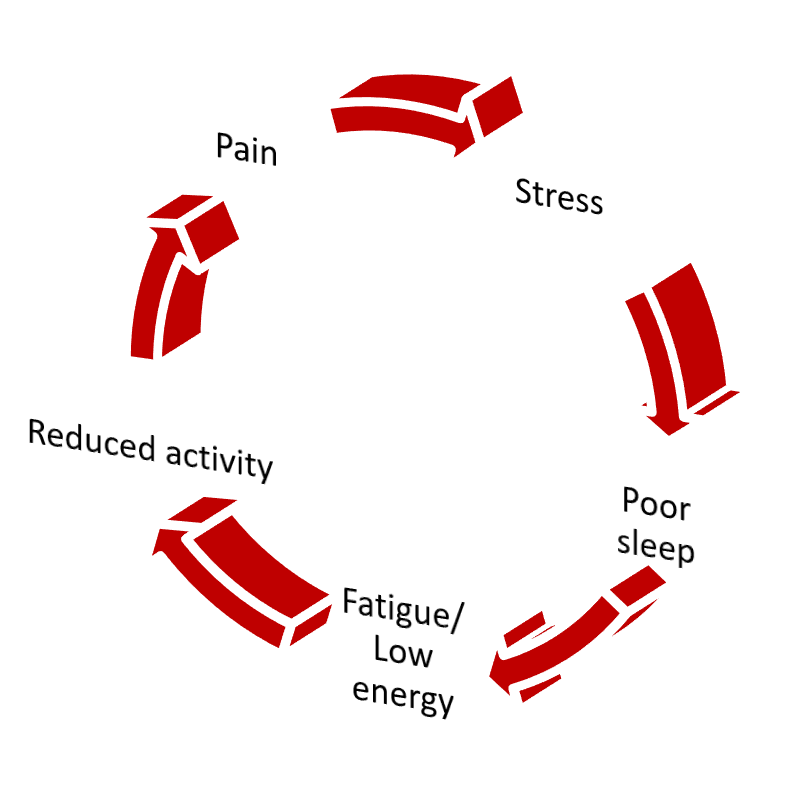
Psychological factors are part of pain management.
- Chronic pain and stress interact bidirectionally.
- Increased psychological burden can make it difficult to cope with daily life and adopt self-care behaviors.
- Sleep is a critical mediating factor: recovery and sleep quality affect physical, psychological, and social functioning.
- Therefore, addressing stress and sleep can serve as a complementary component of the overall management strategy.
Conclusions
- Chronic pain affects the whole person—not just the affected organ.
- Stress, sleep, fatigue, and psychological burden are critical elements of overall management.
Key areas for targeted benefits
Antioxidant & Anti-inflammatory Protection
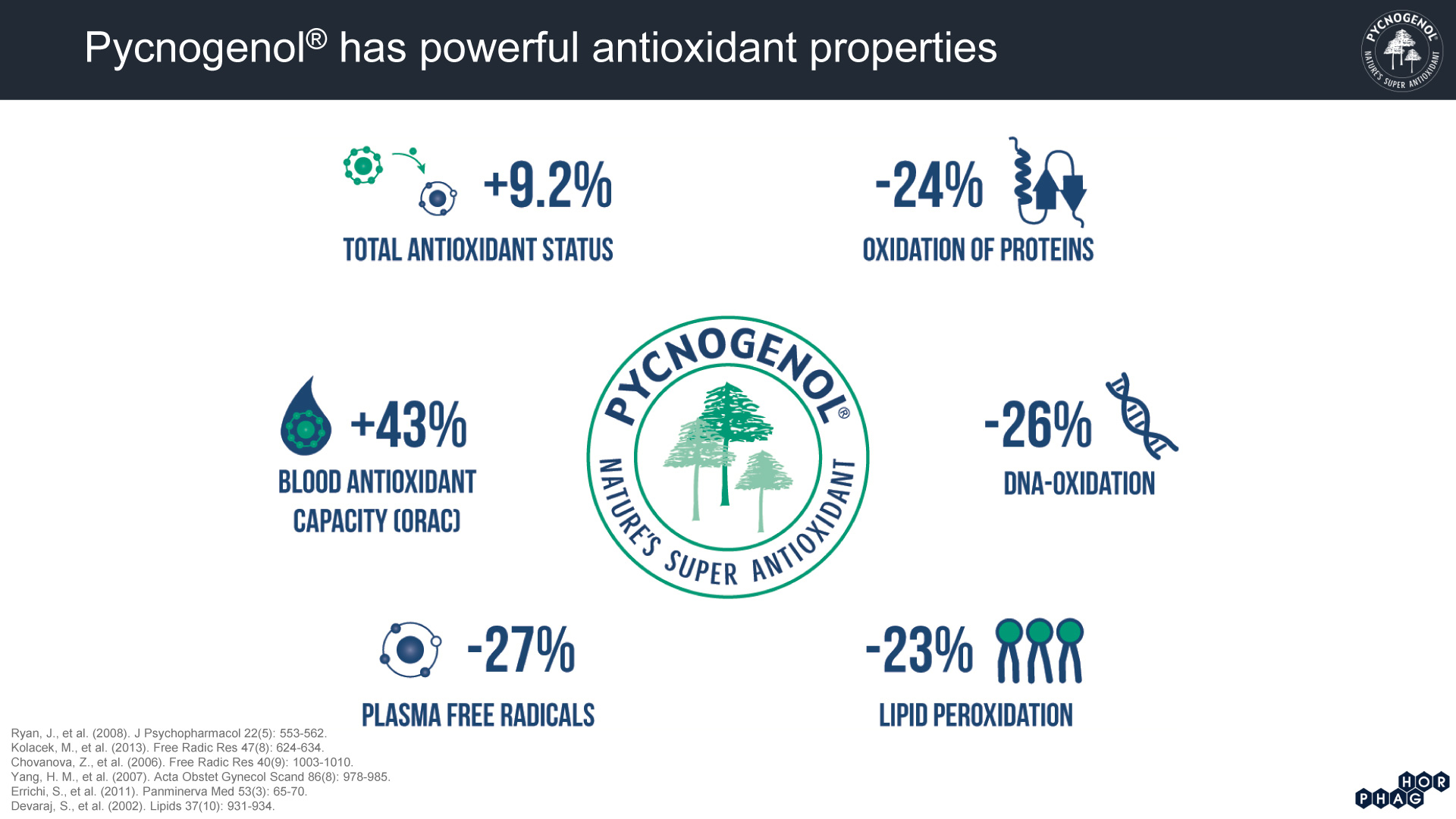
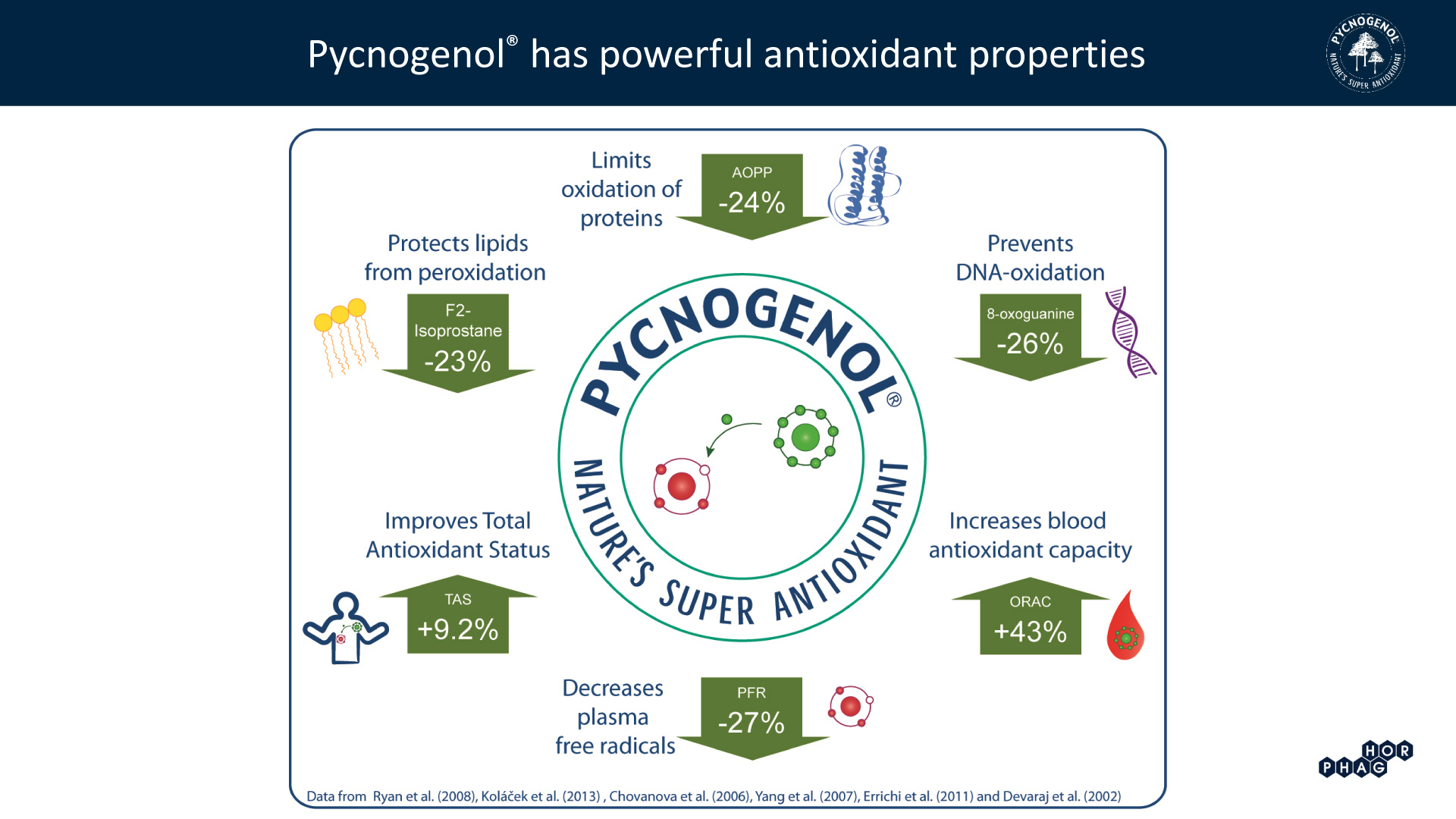
- Strong antioxidant protection (EGCG, NAC, Selenium, Pycnogenol®, Mg)
- Support for natural anti-inflammatory defense (EGCG, NAC, D3, Se, Zn, Pycnogenol®, Mg)
- Support for endogenous glutathione synthesis—the body’s primary antioxidant (NAC)
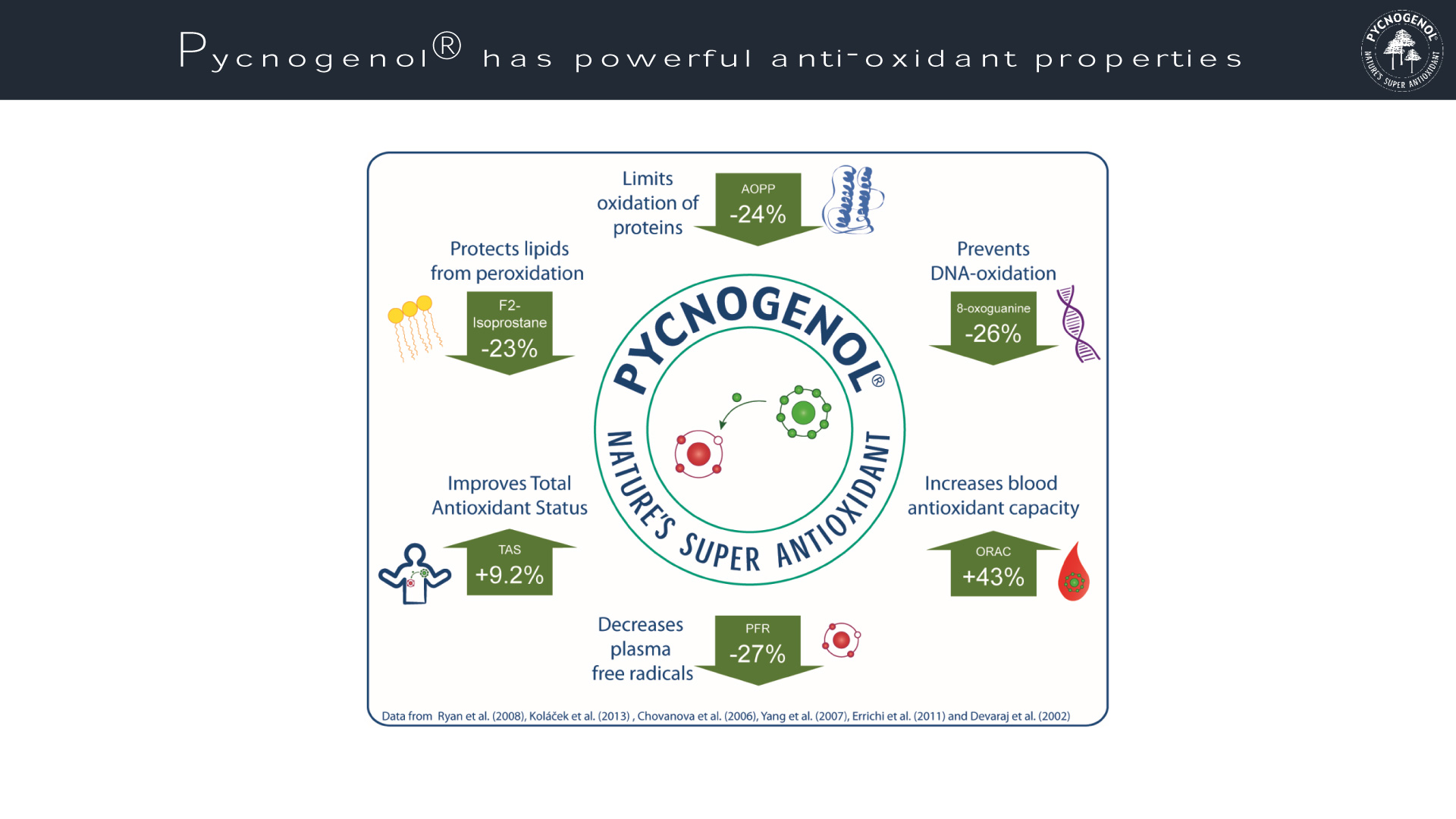
- Support for cellular protection against oxidative stress (Se, Zn, EGCG, Pycnogenol®)
- Synergistic antioxidant action between fat-soluble and water-soluble antioxidants (Pycnogenol®, EGCG, Se)
Immune System
- Support for normal immune function (D3, Se, Zn)
- Support for normal immune function during and after intense physical exercise (Zn, D3)
- Role in the normal process of cell division, crucial for the immune response (Zn)
- Support for normal thyroid function (Se, Zn)
Cardiovascular & Circulatory System
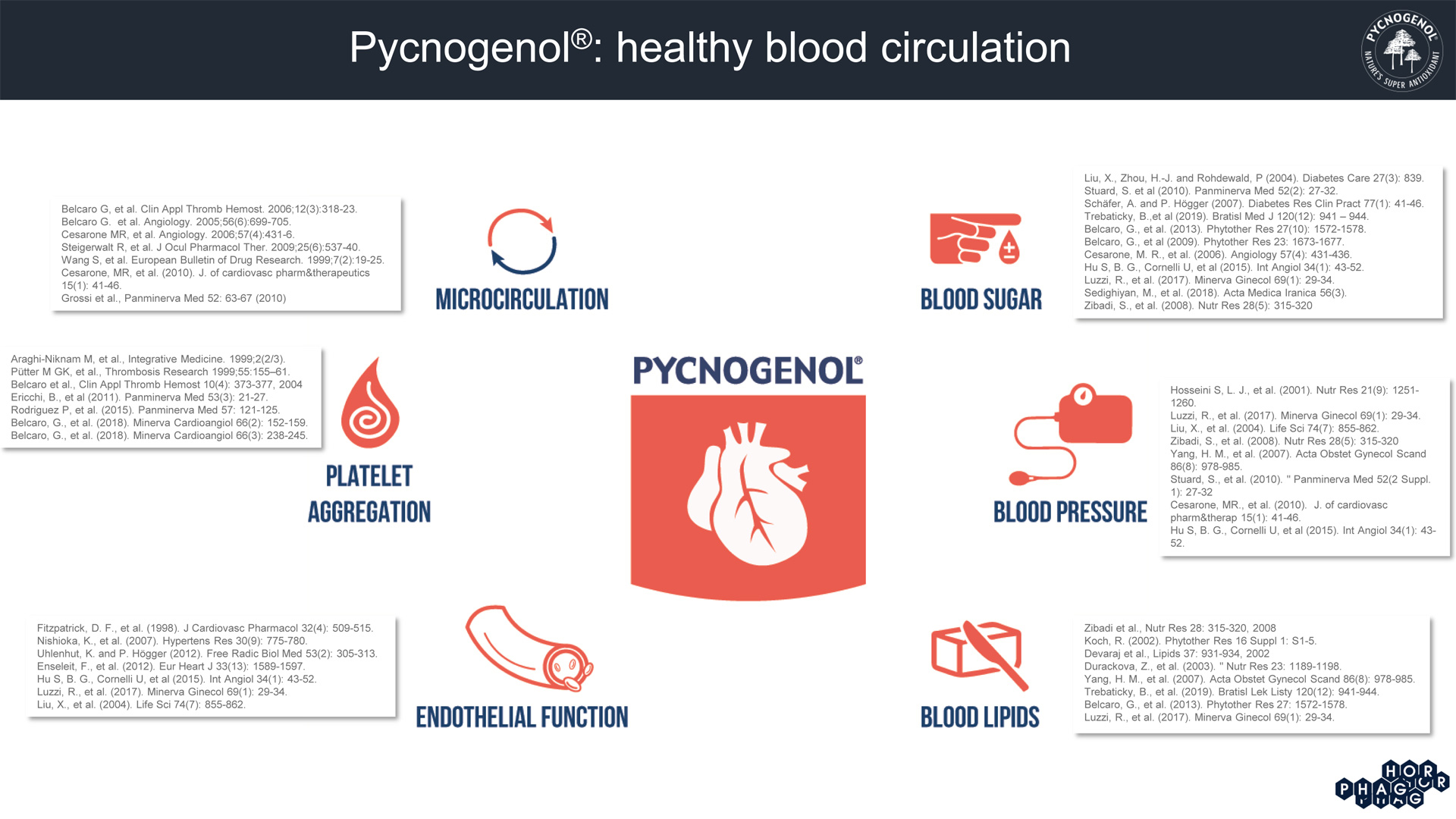
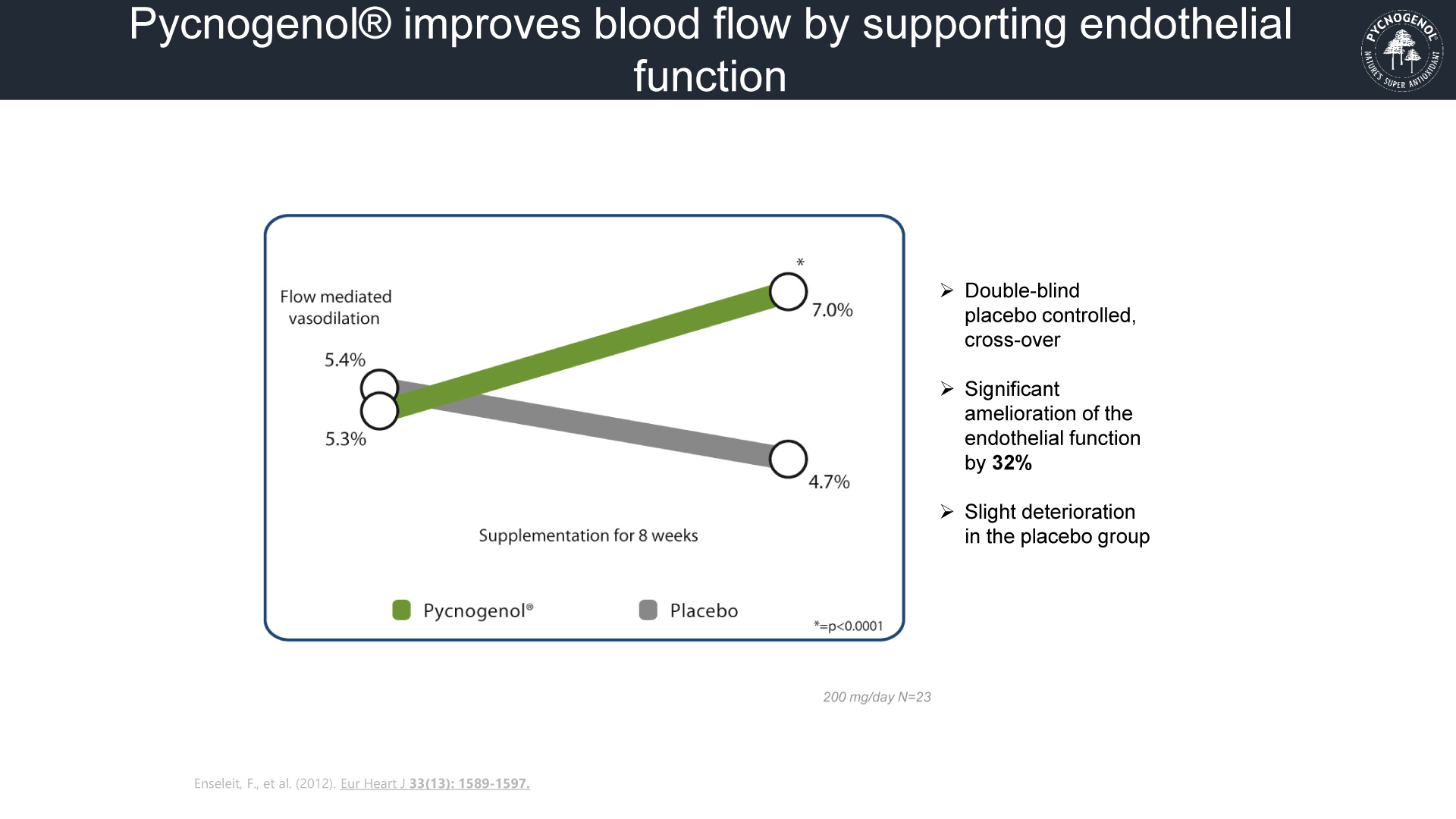
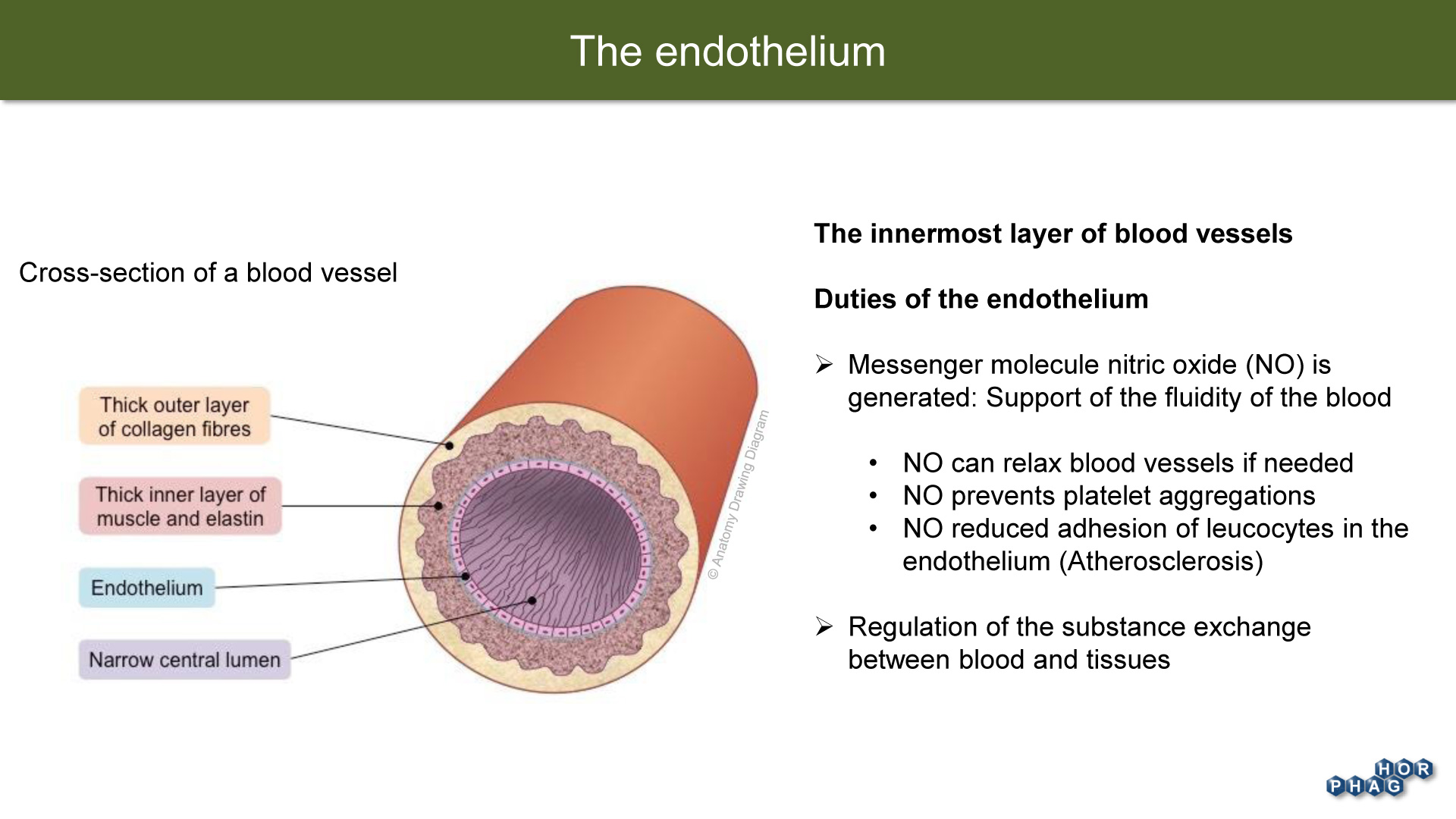
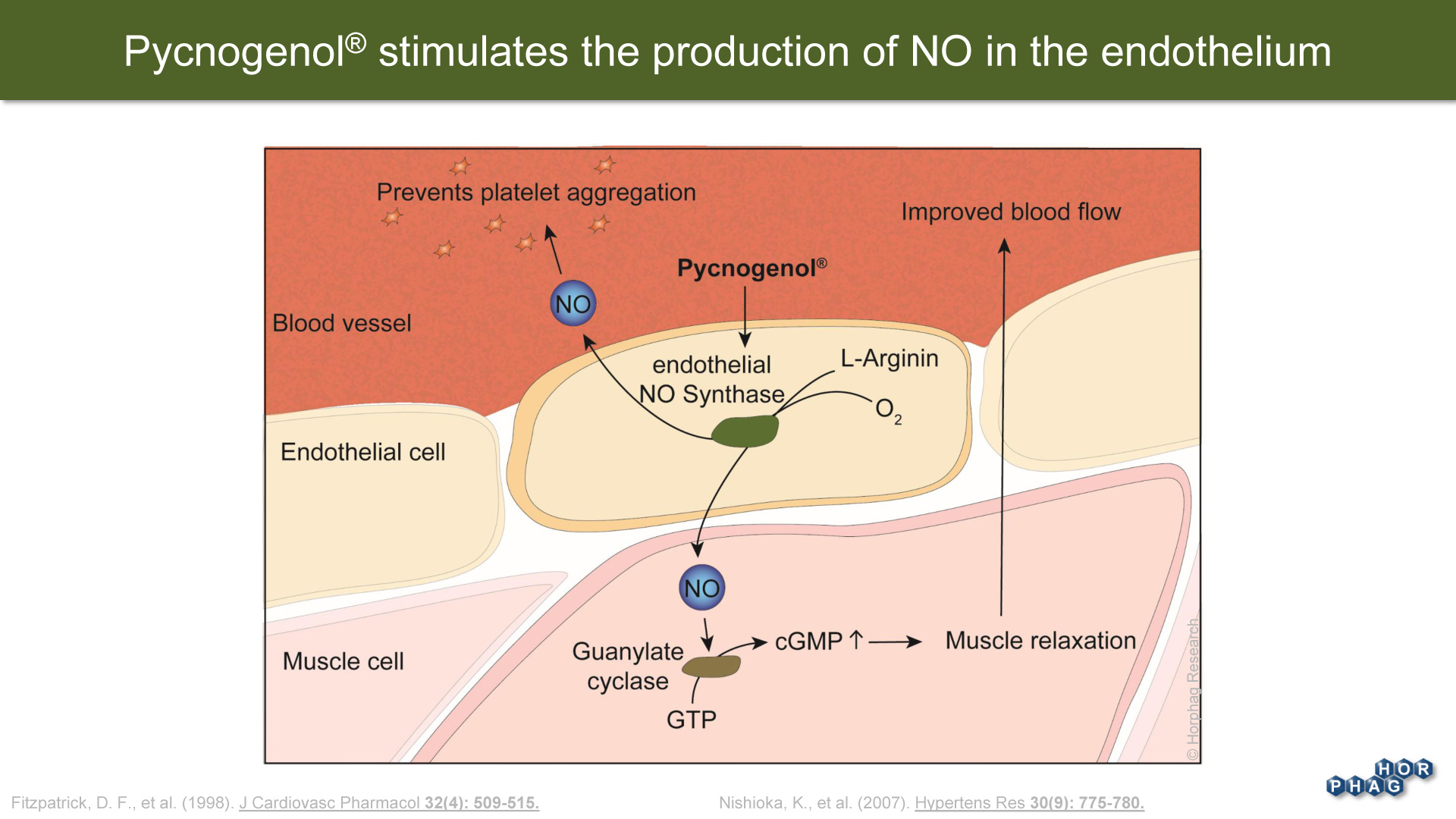
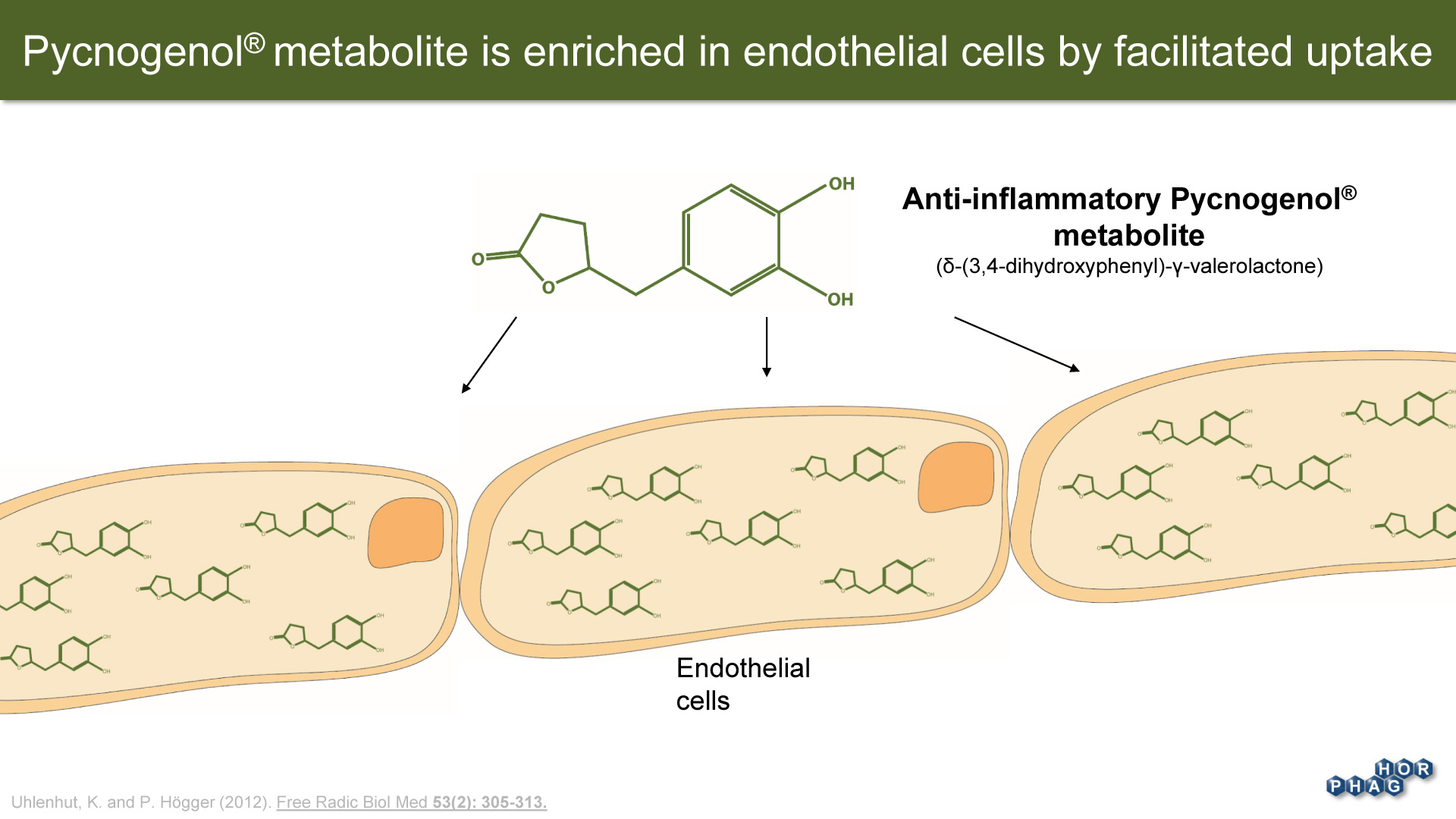
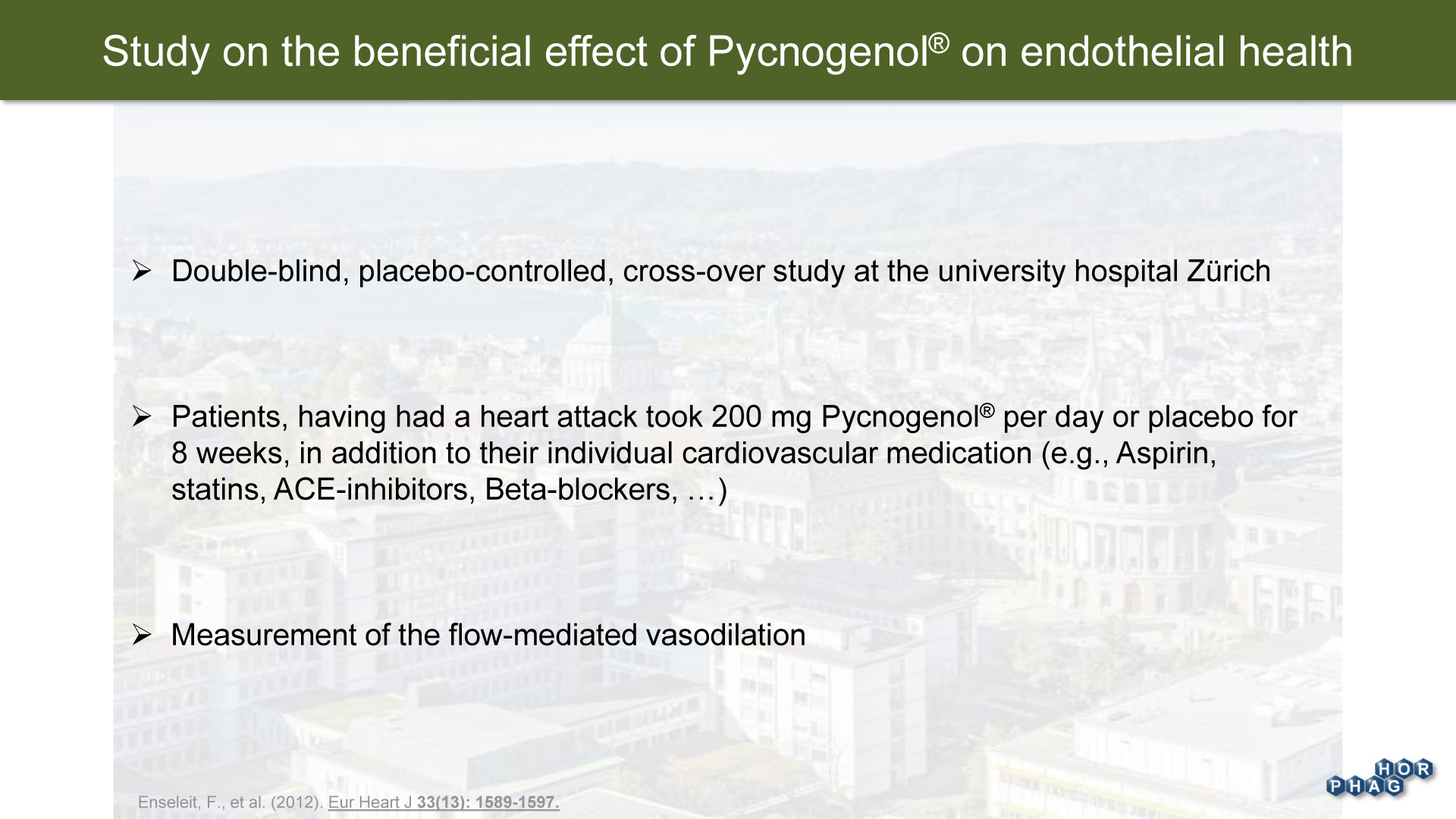
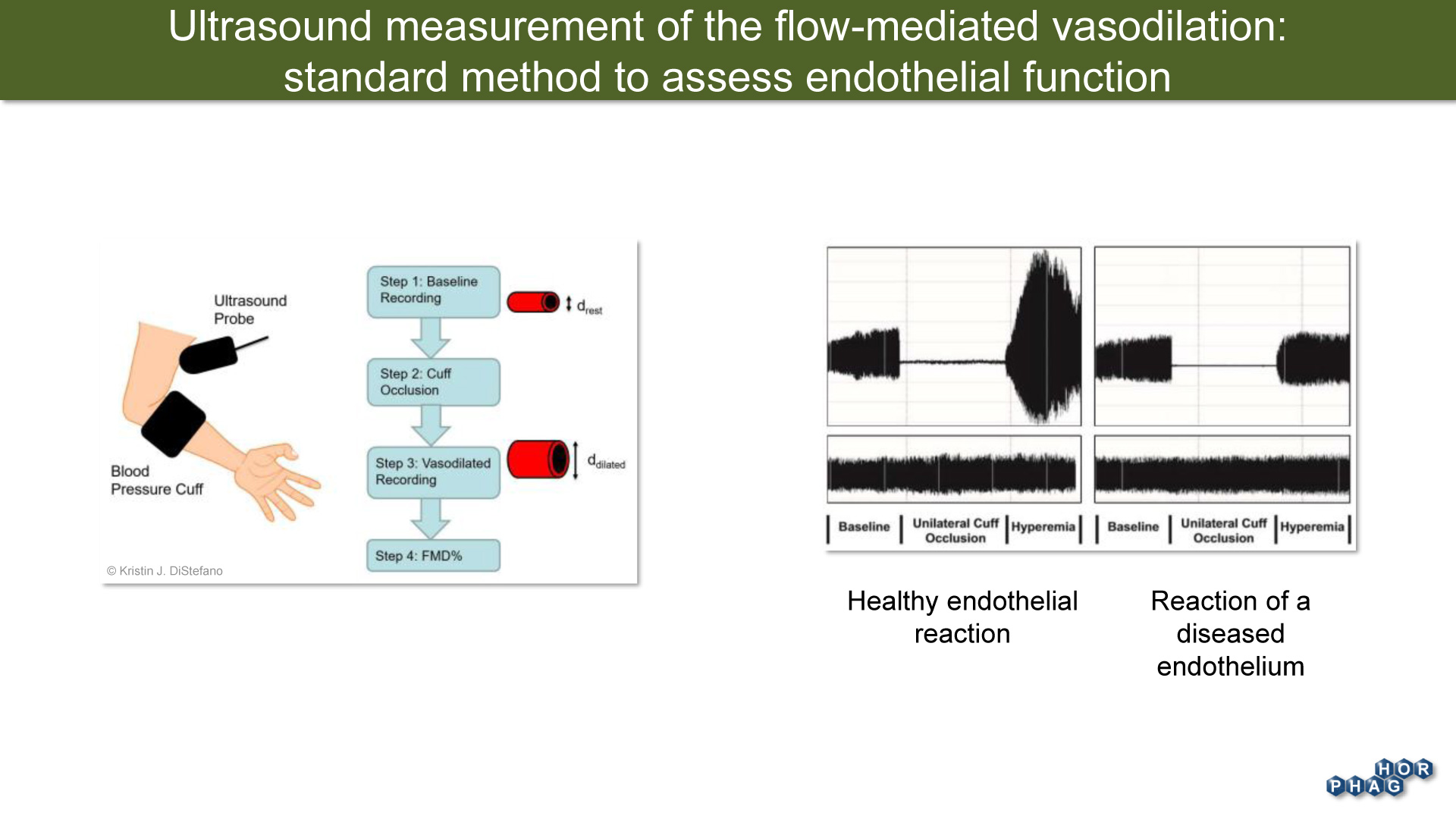
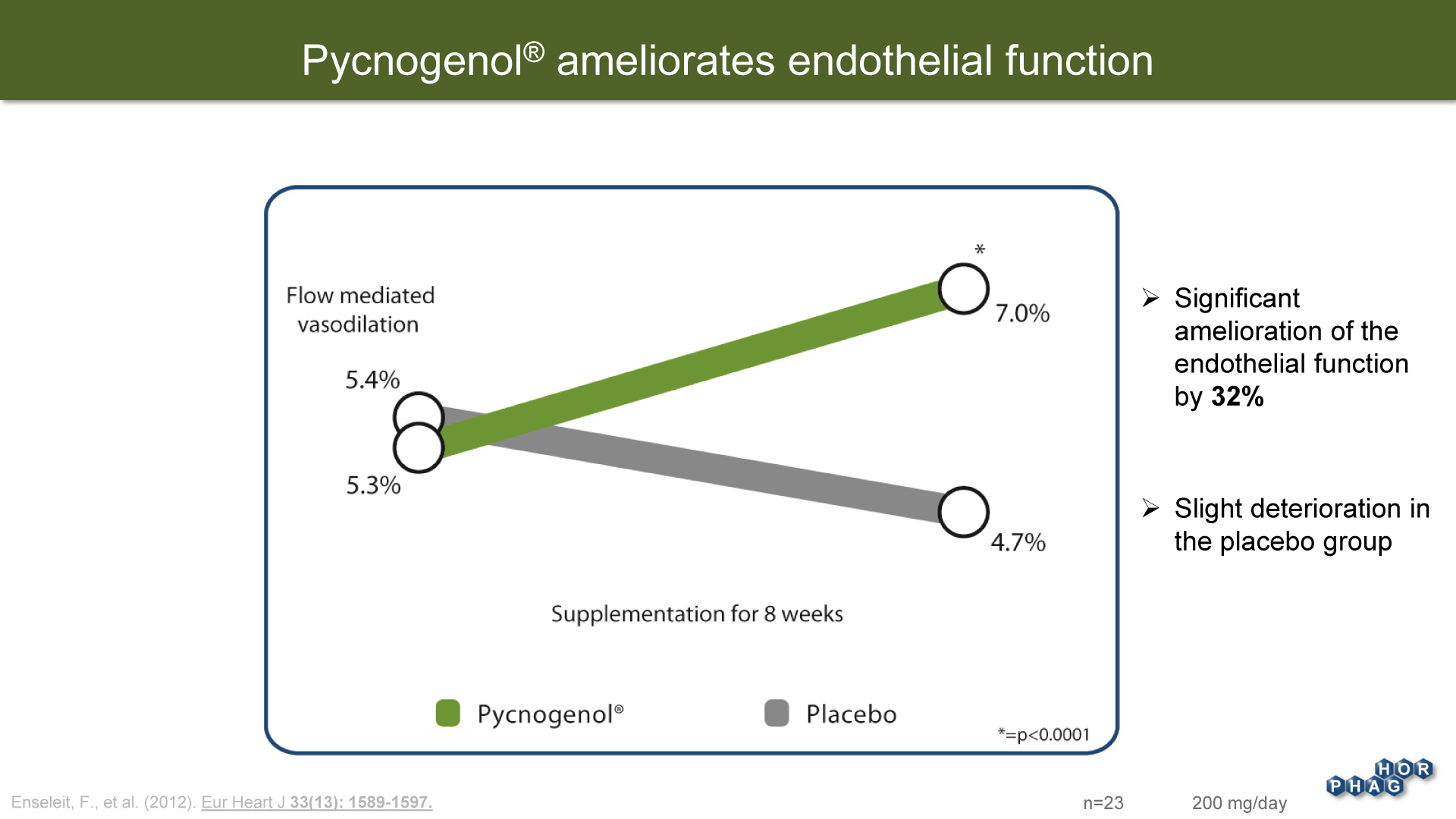
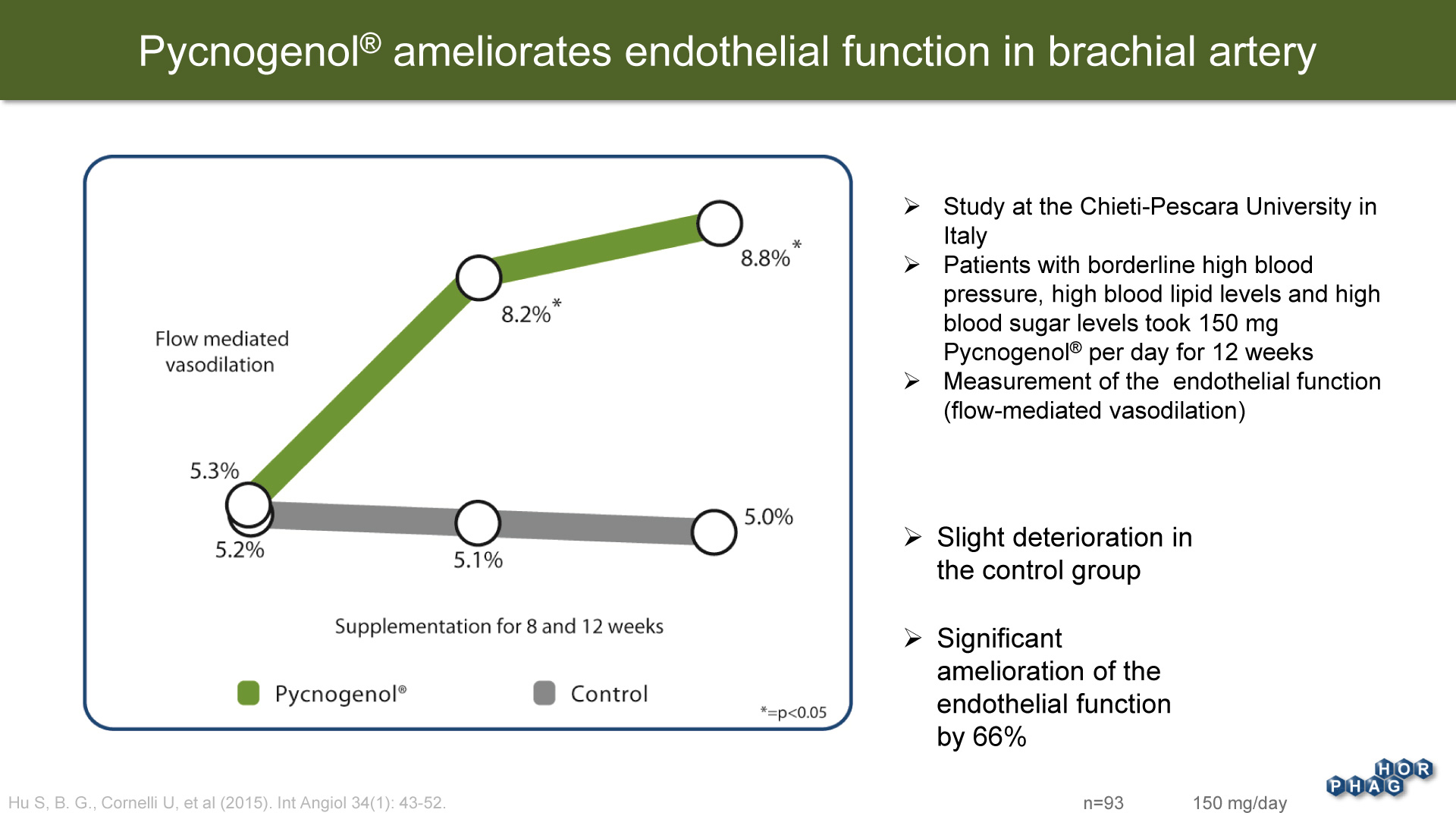
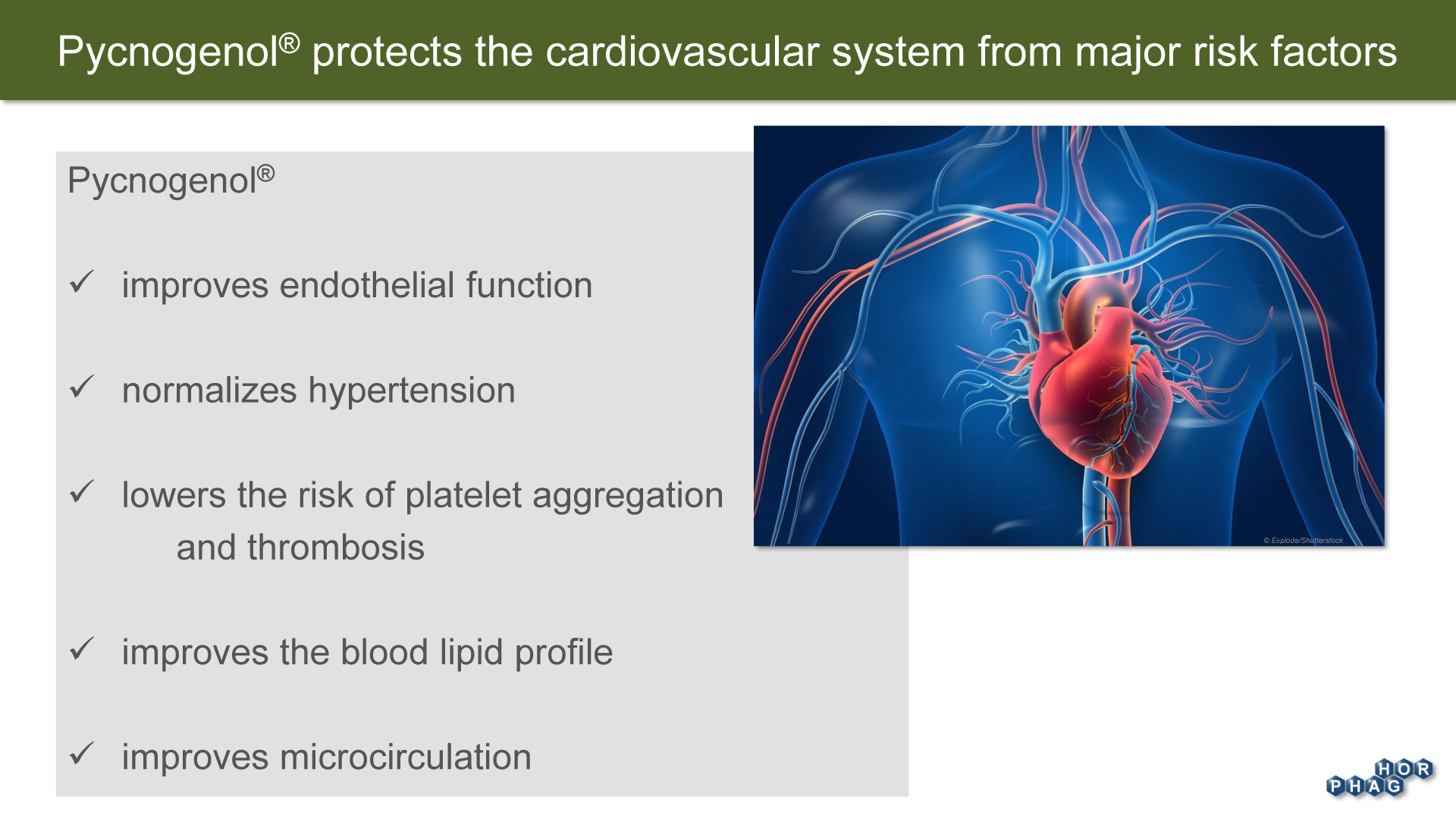
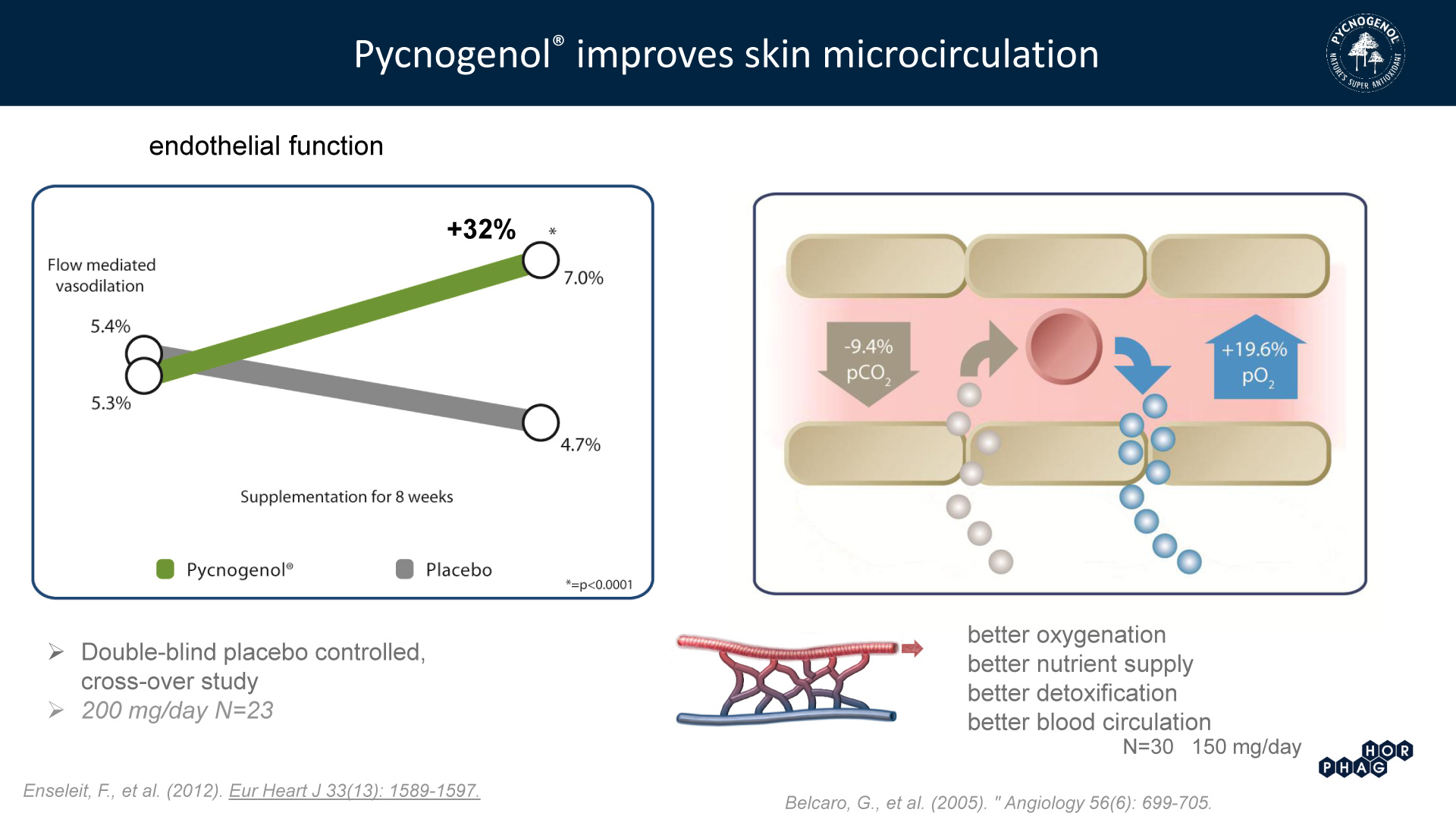
- Support for normal endothelial function (Pycnogenol®)
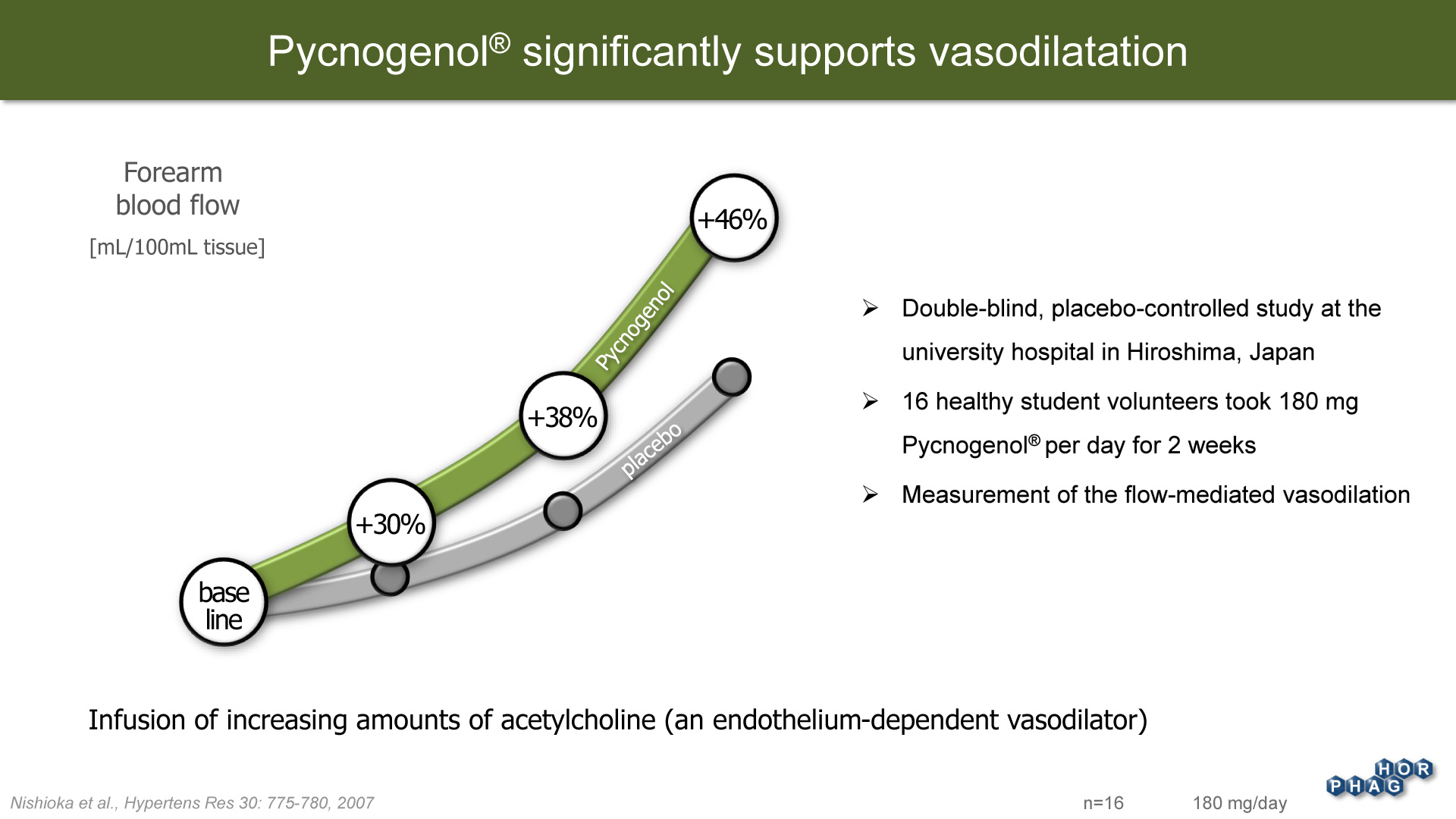
- Support for normal vascular function and vasodilation (Pycnogenol®)
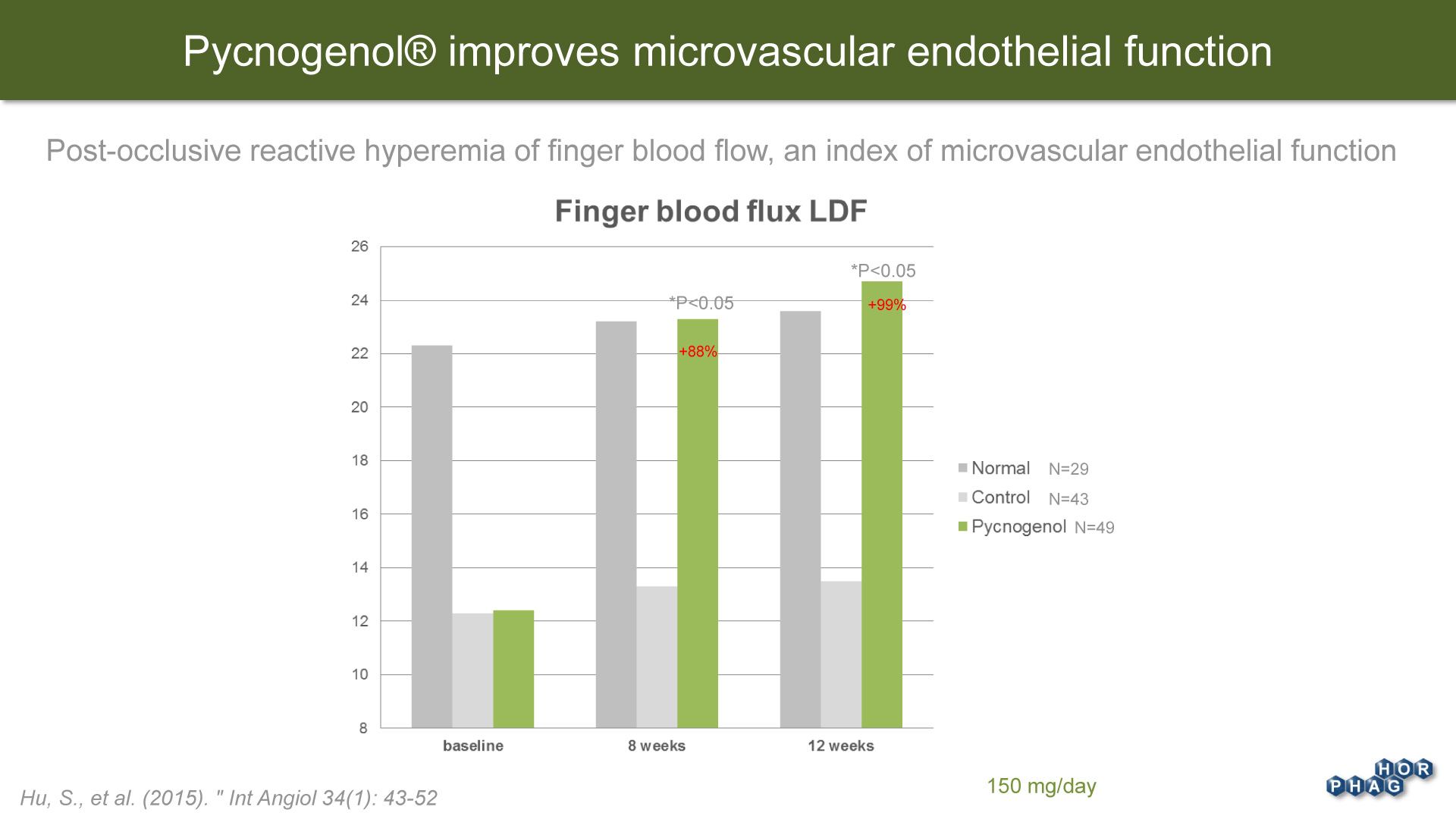
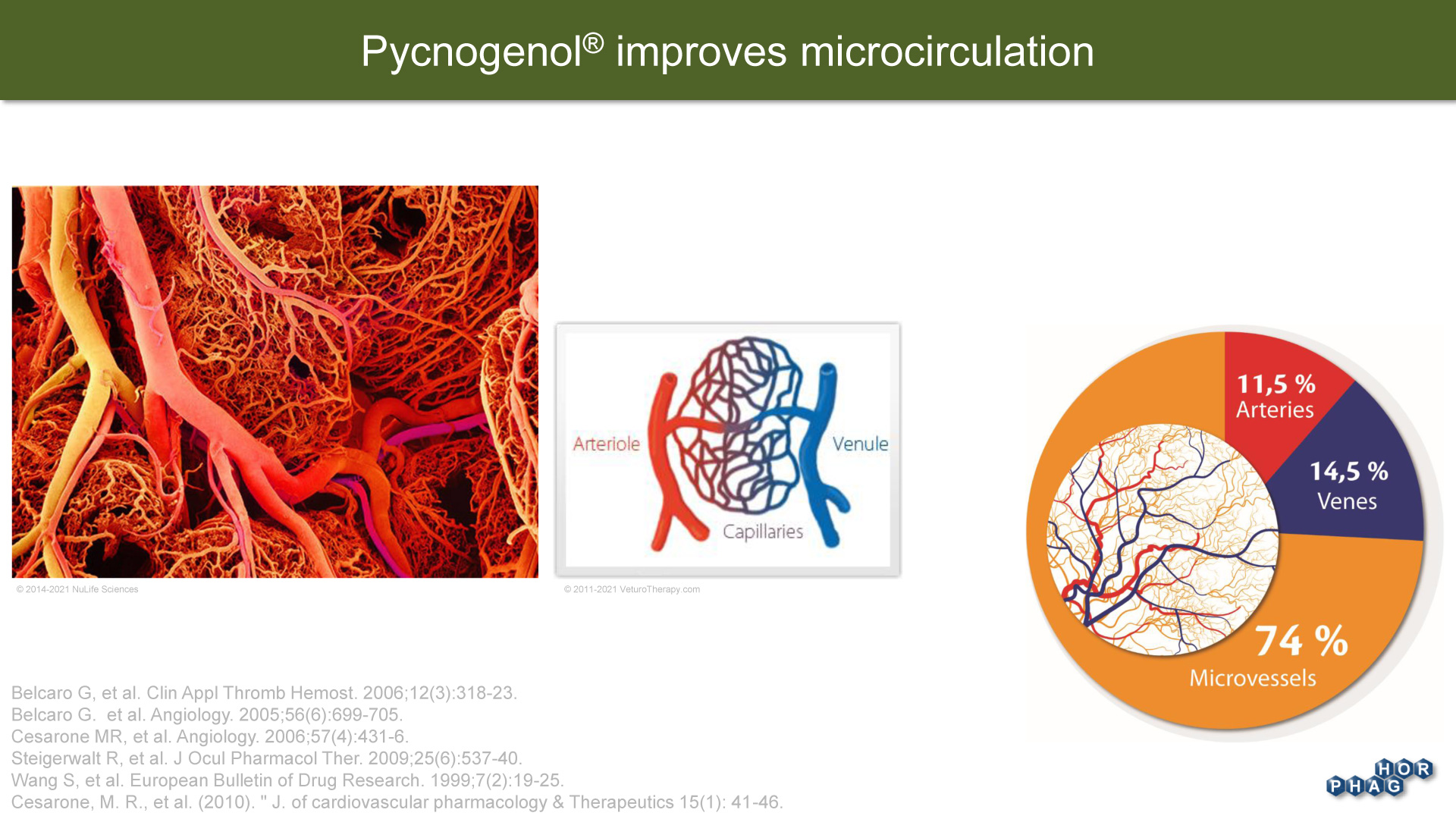
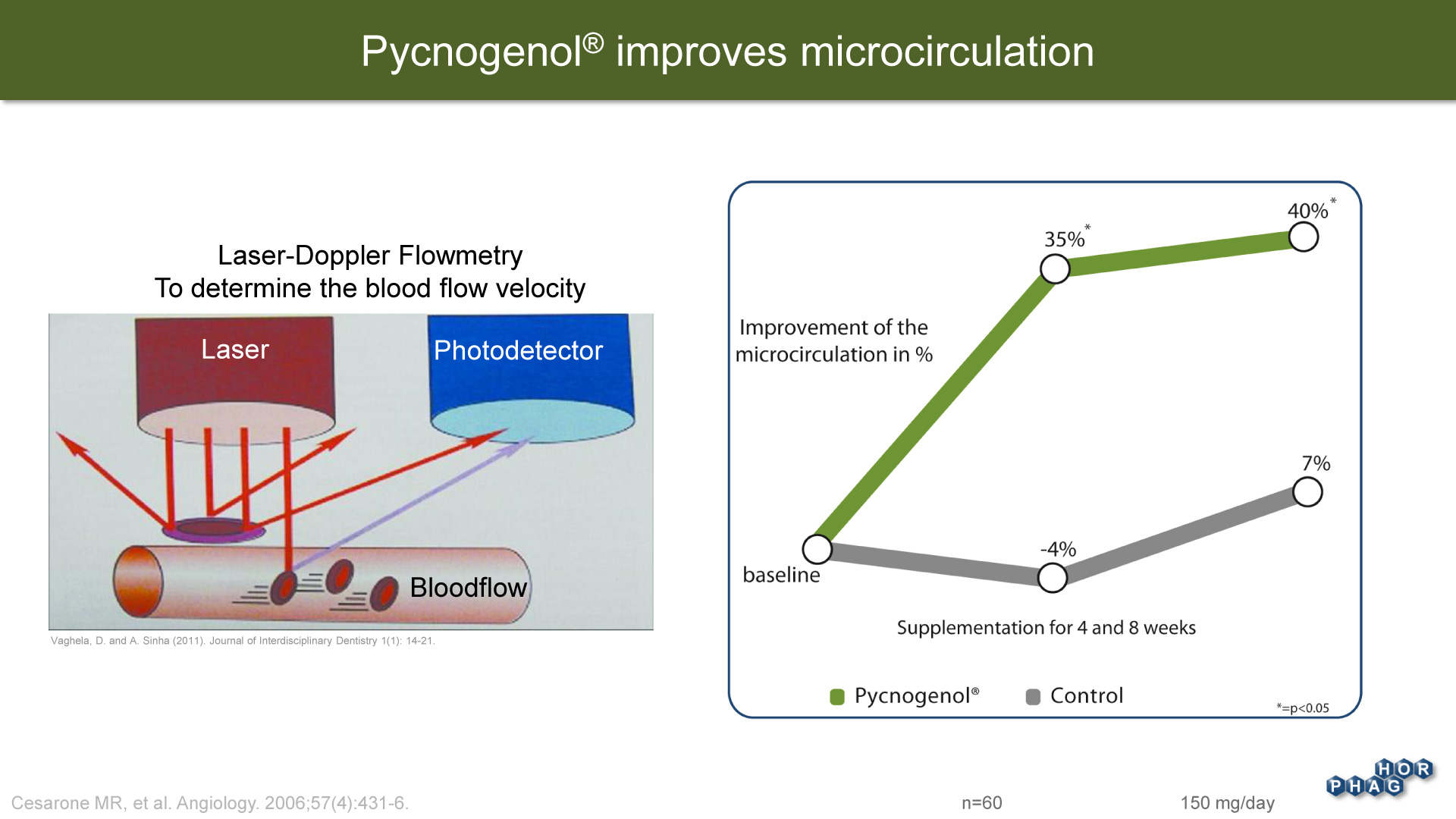
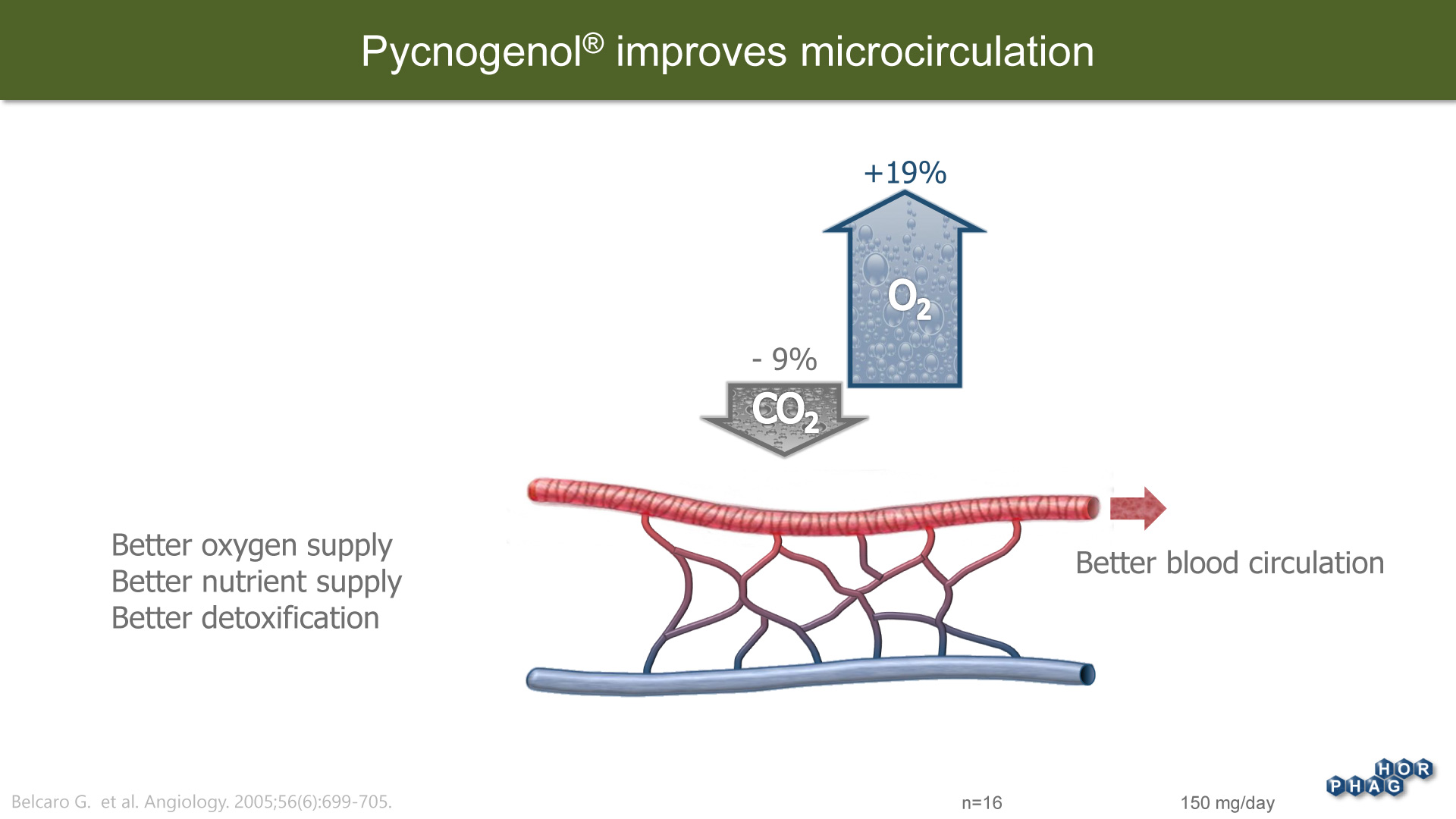
- Support for healthy circulation and microcirculation (Pycnogenol®, EGCG, Mg)
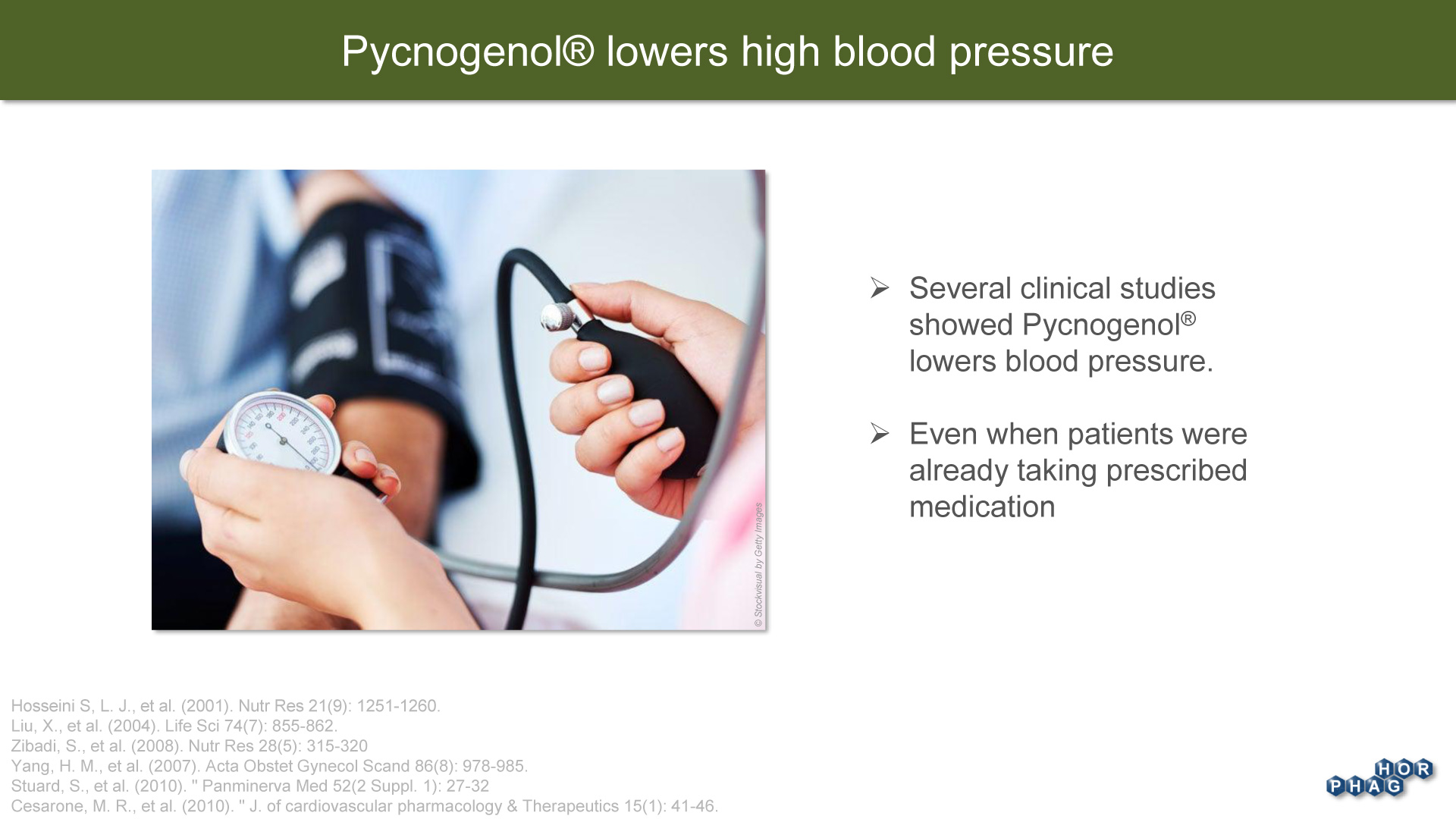
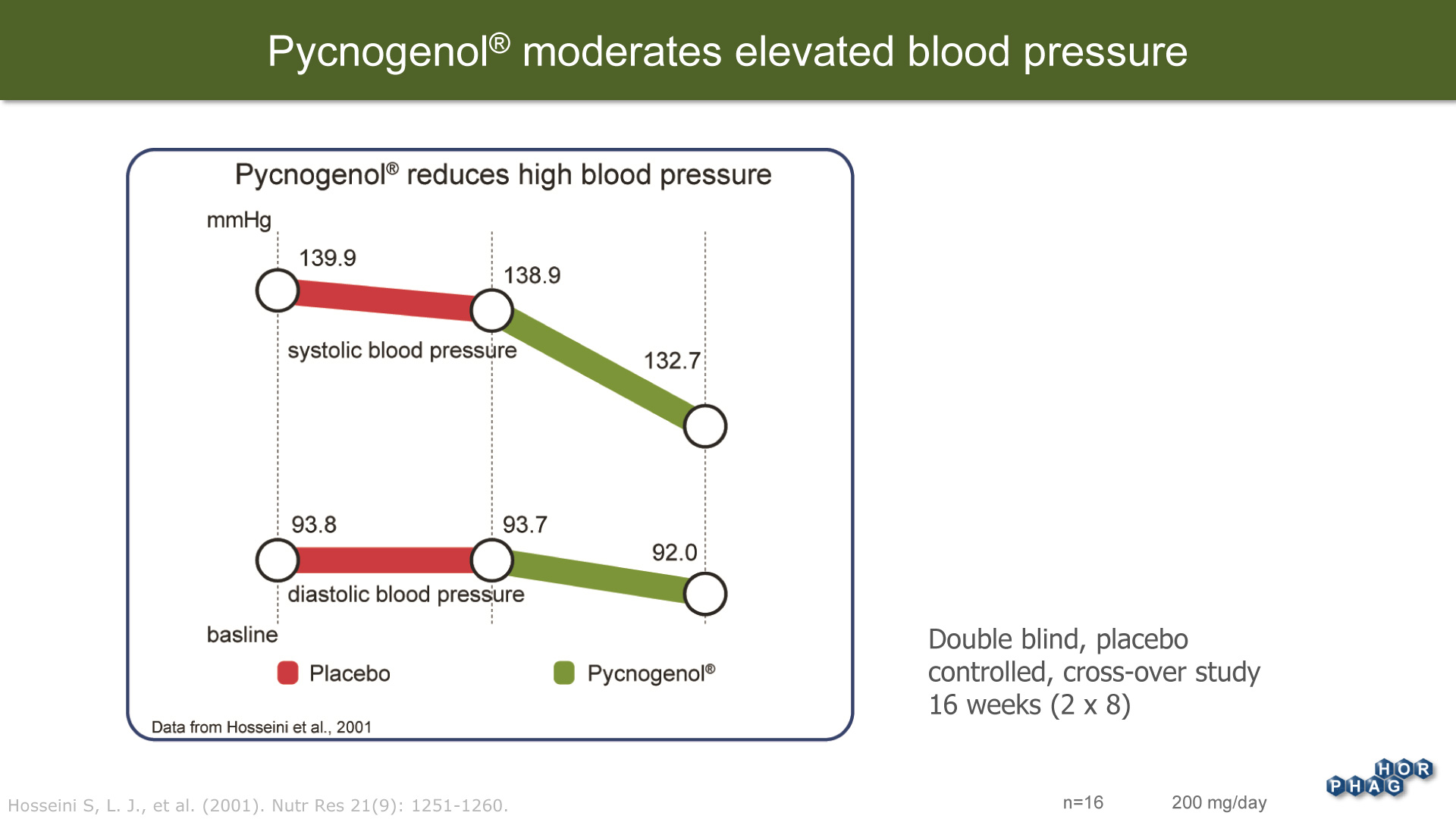
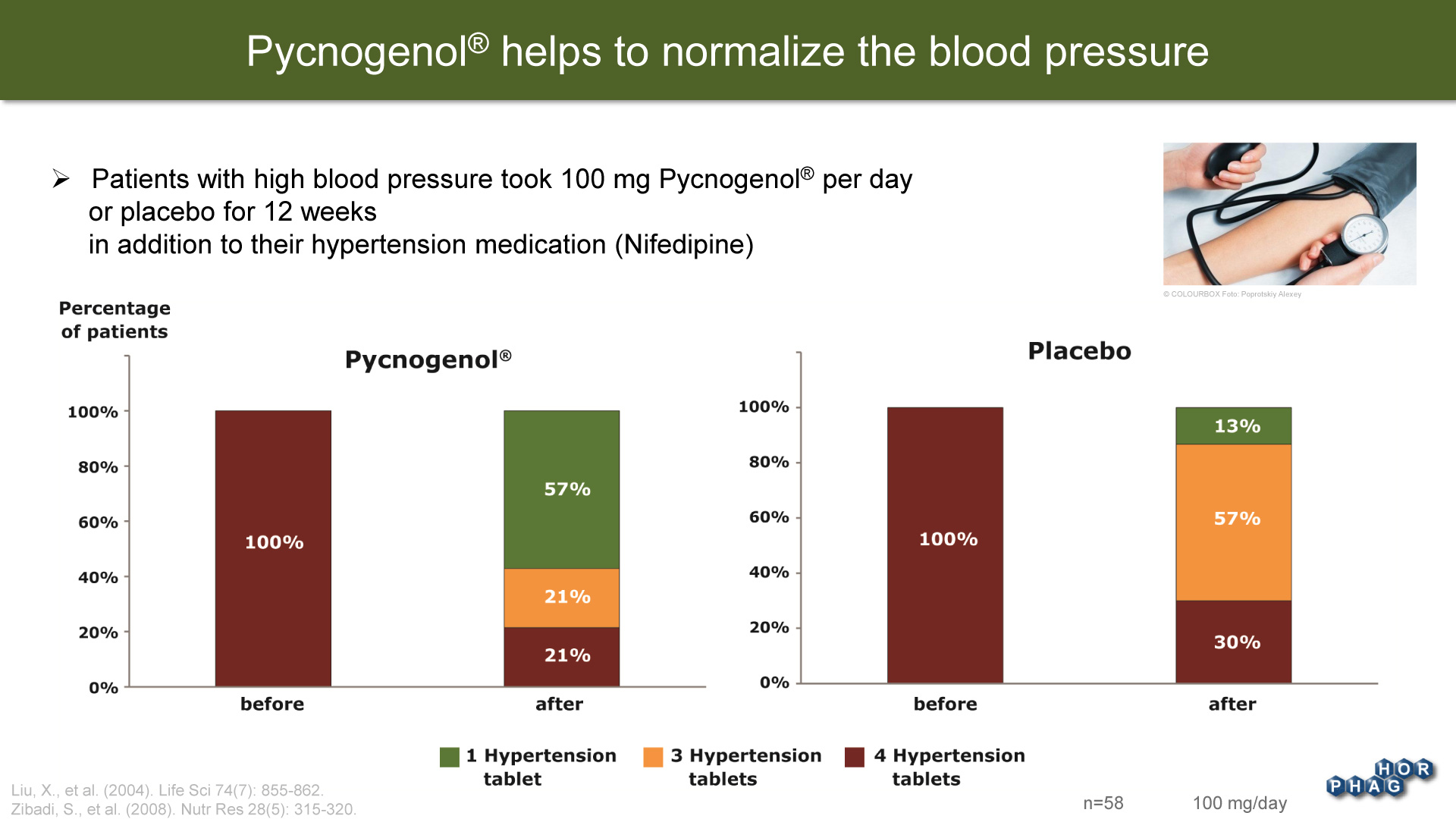
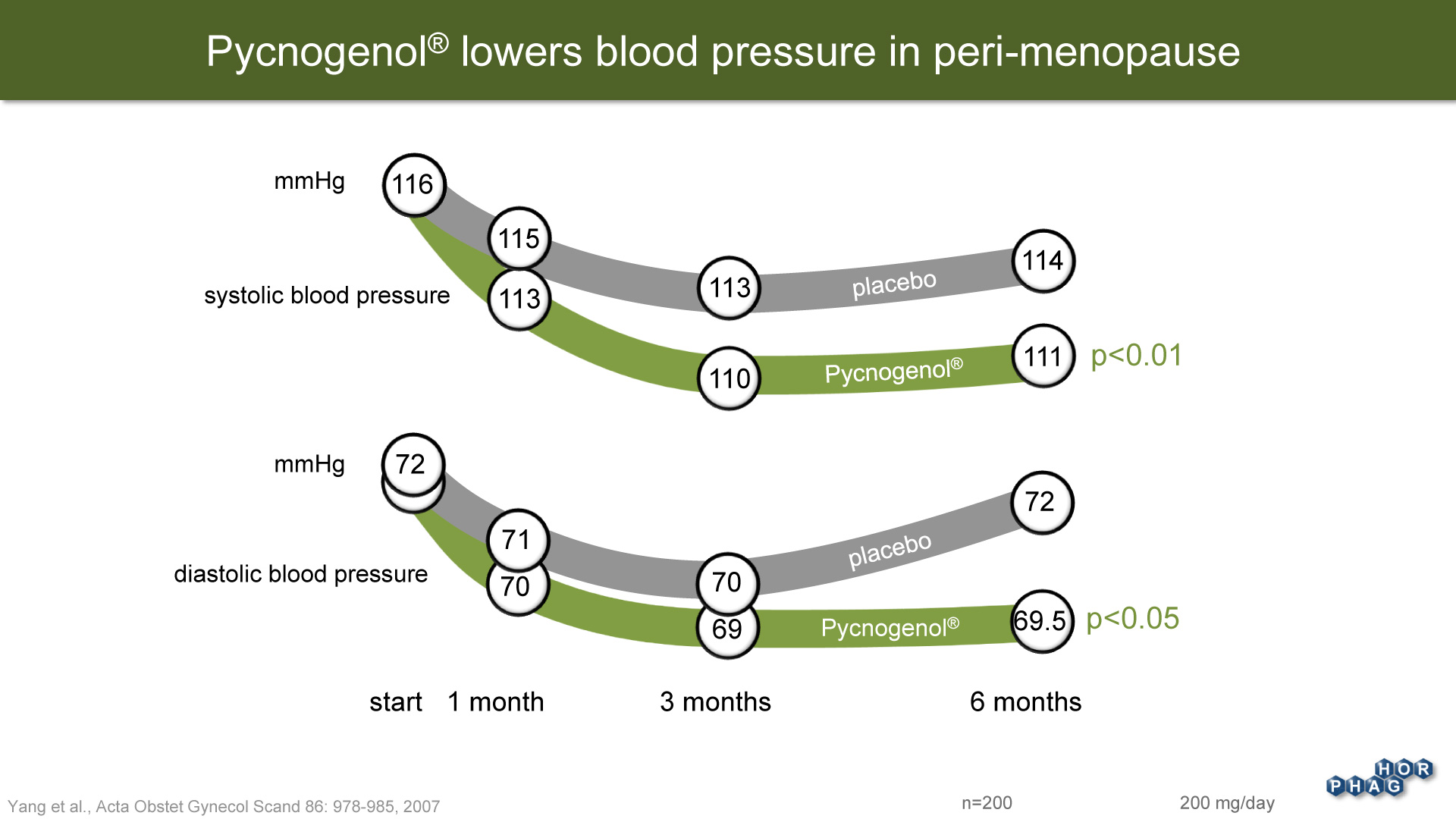
- Support for normal blood pressure (Pycnogenol®, Mg)
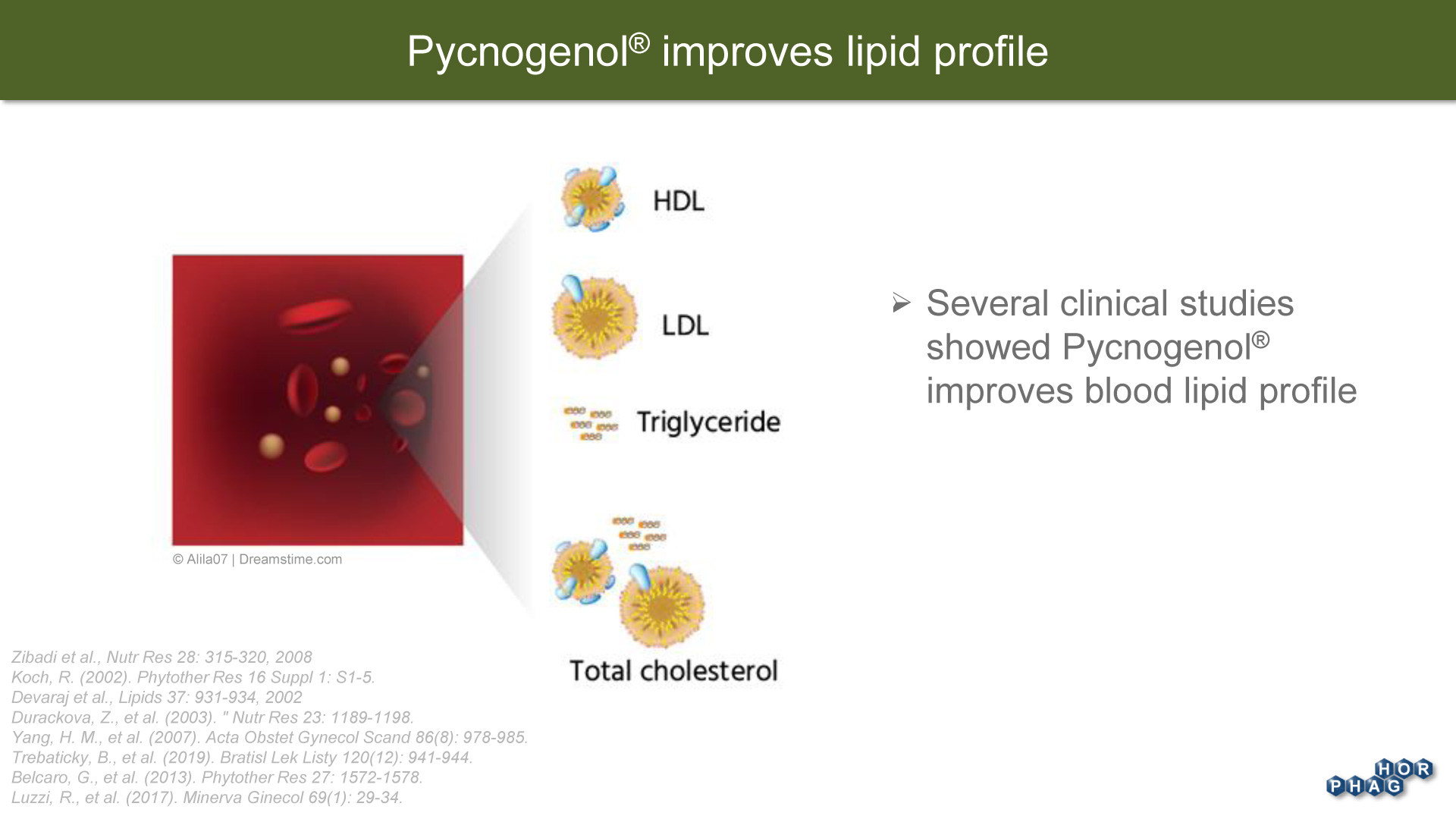
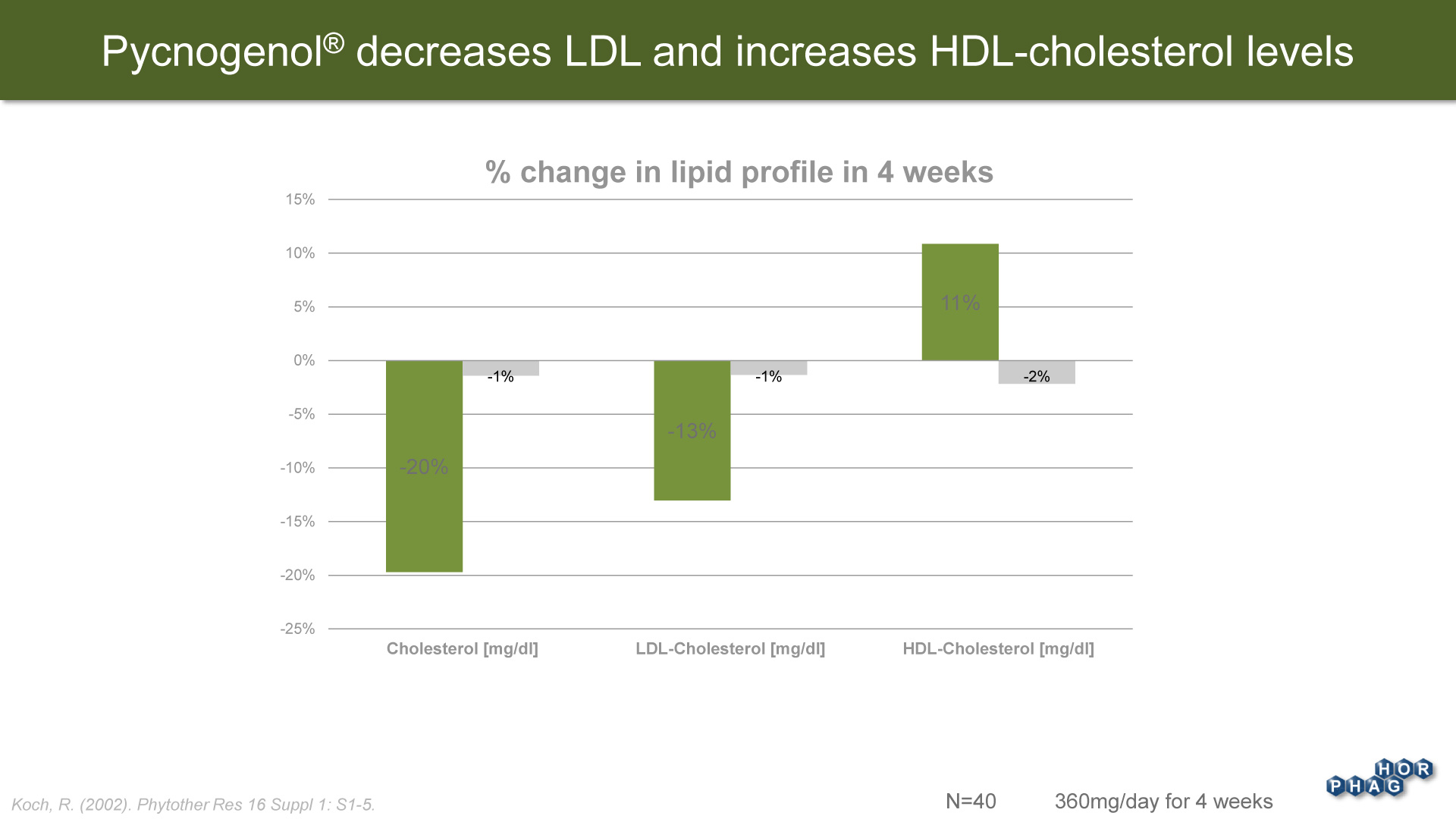
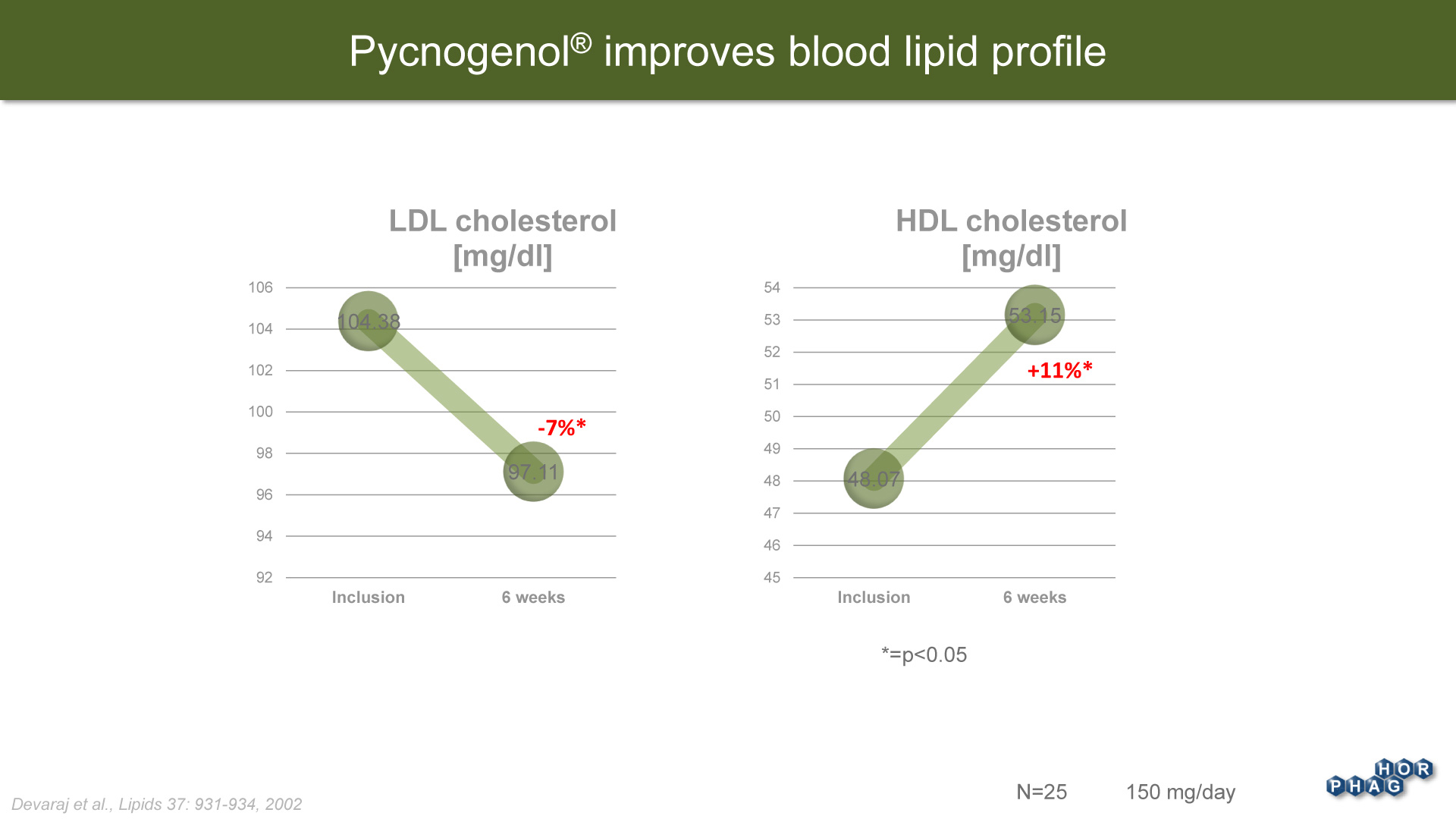
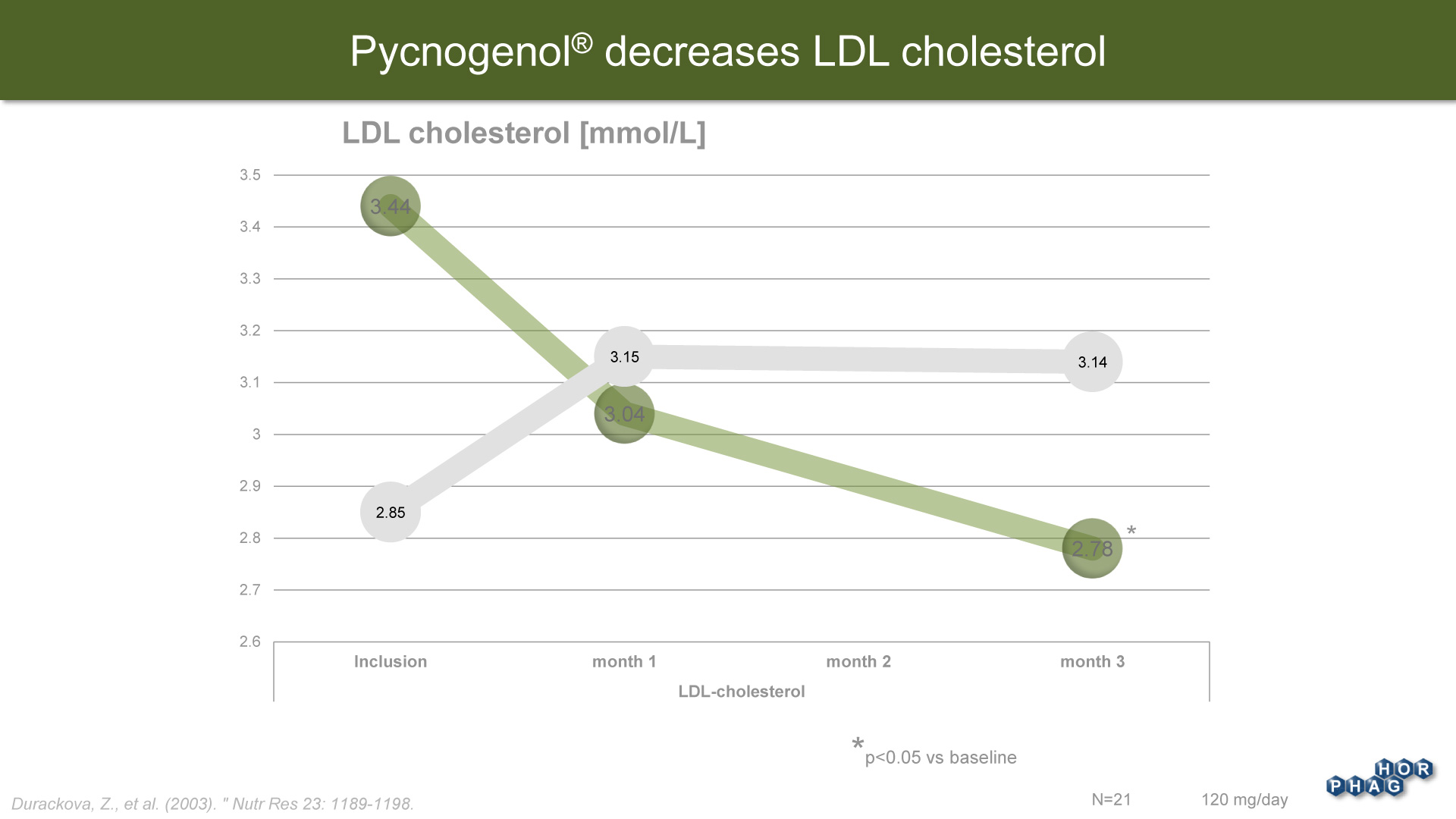
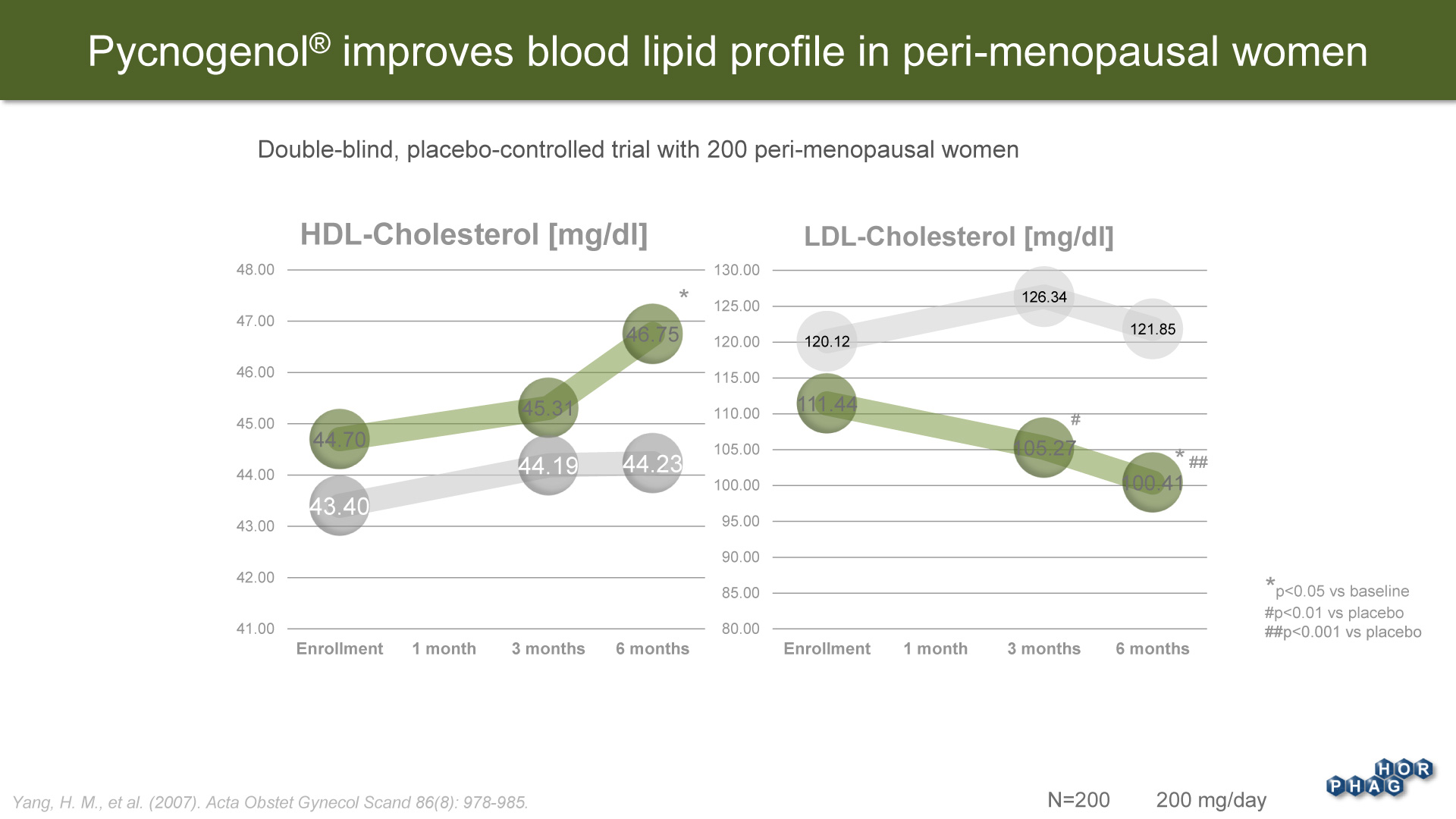
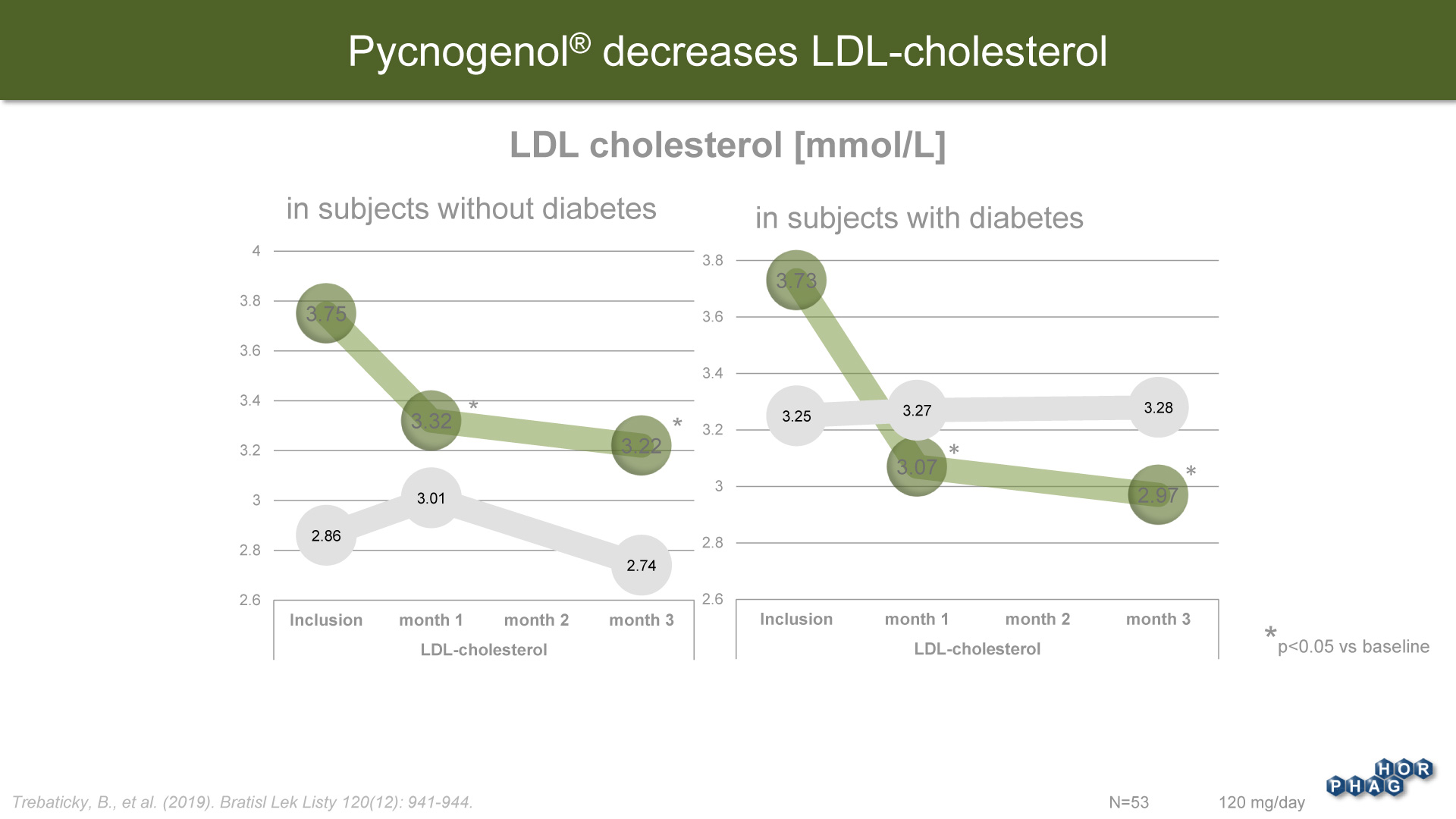
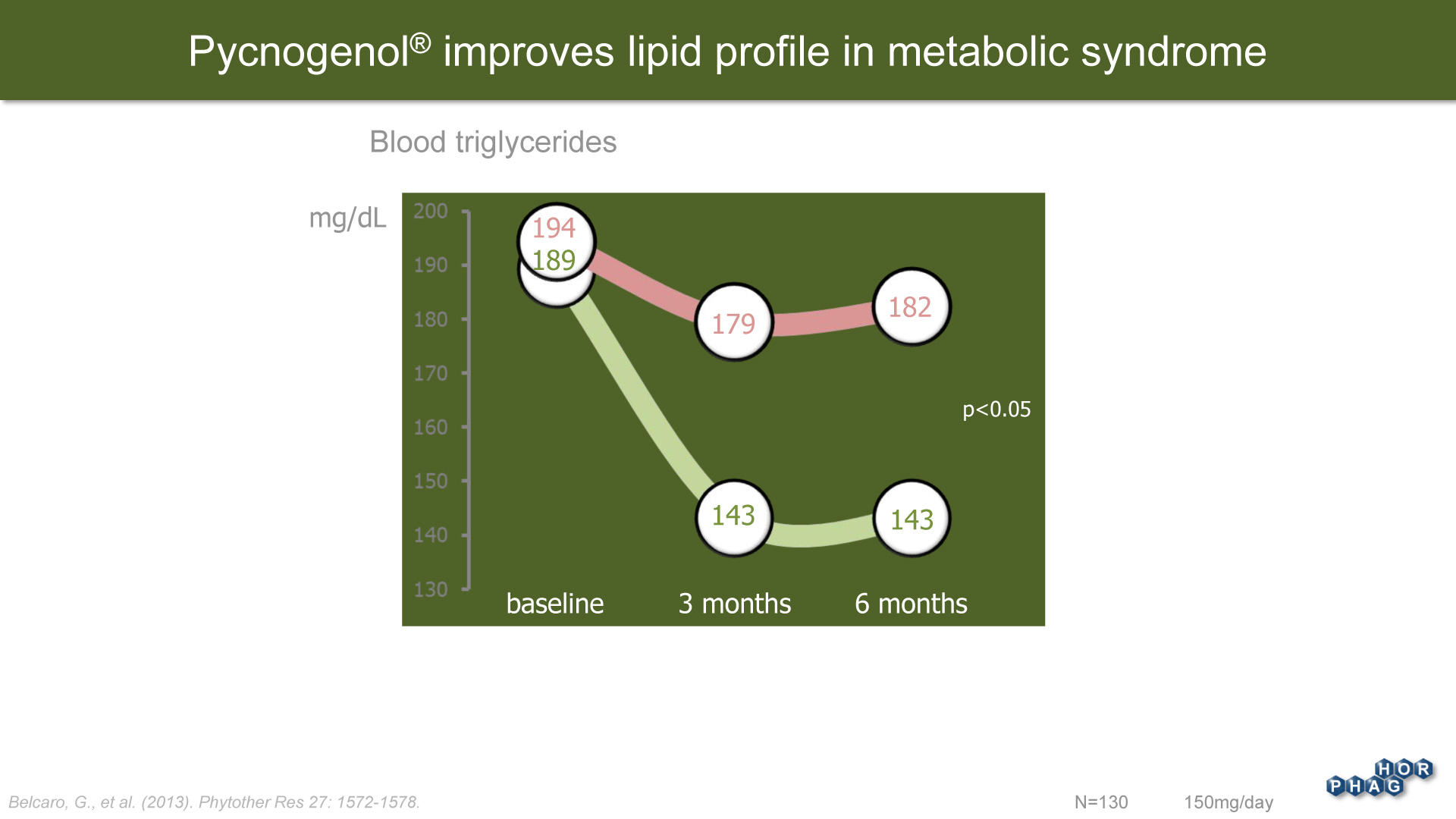
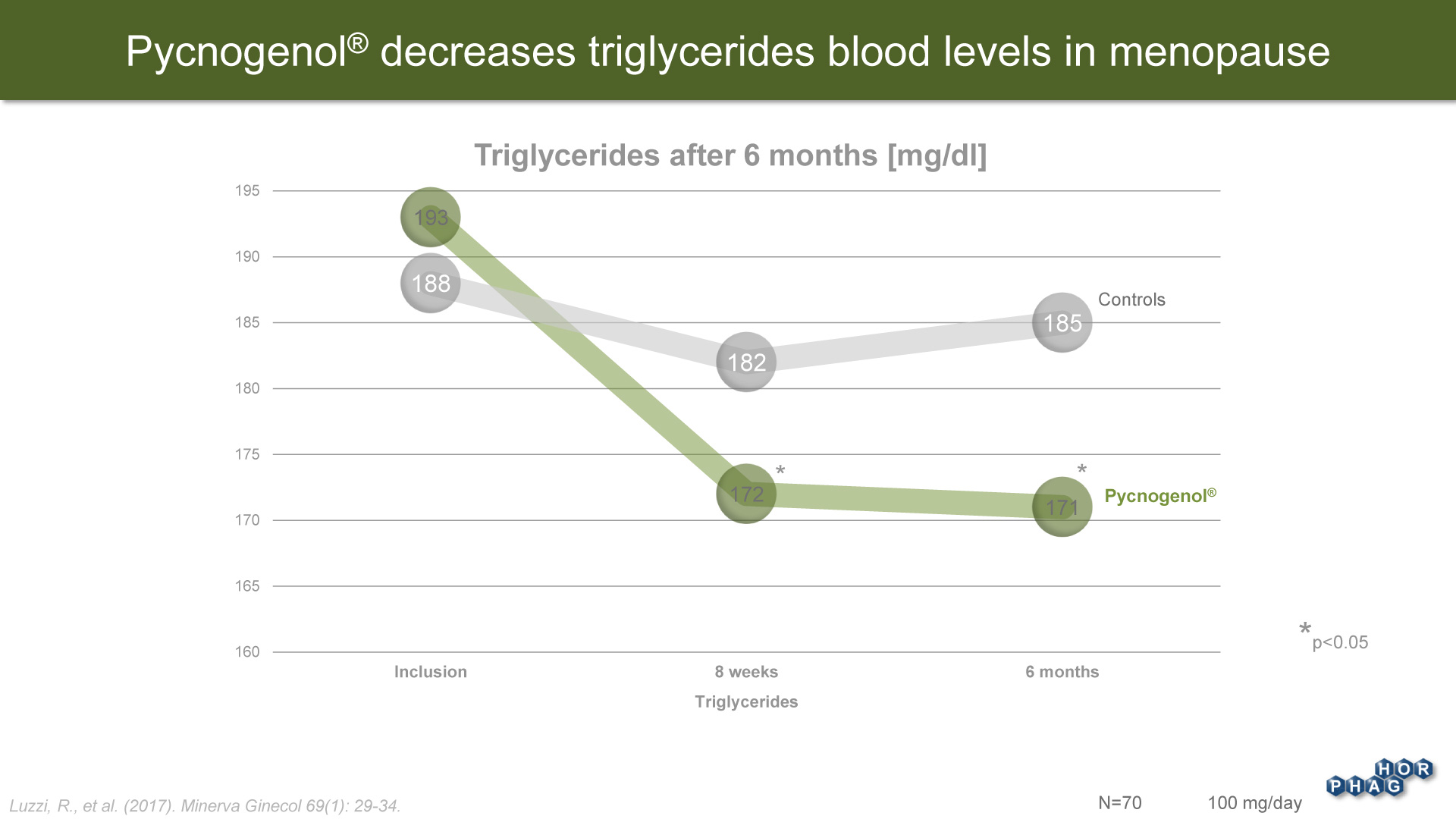
- Support for a healthy lipid profile (Pycnogenol®, EGCG)
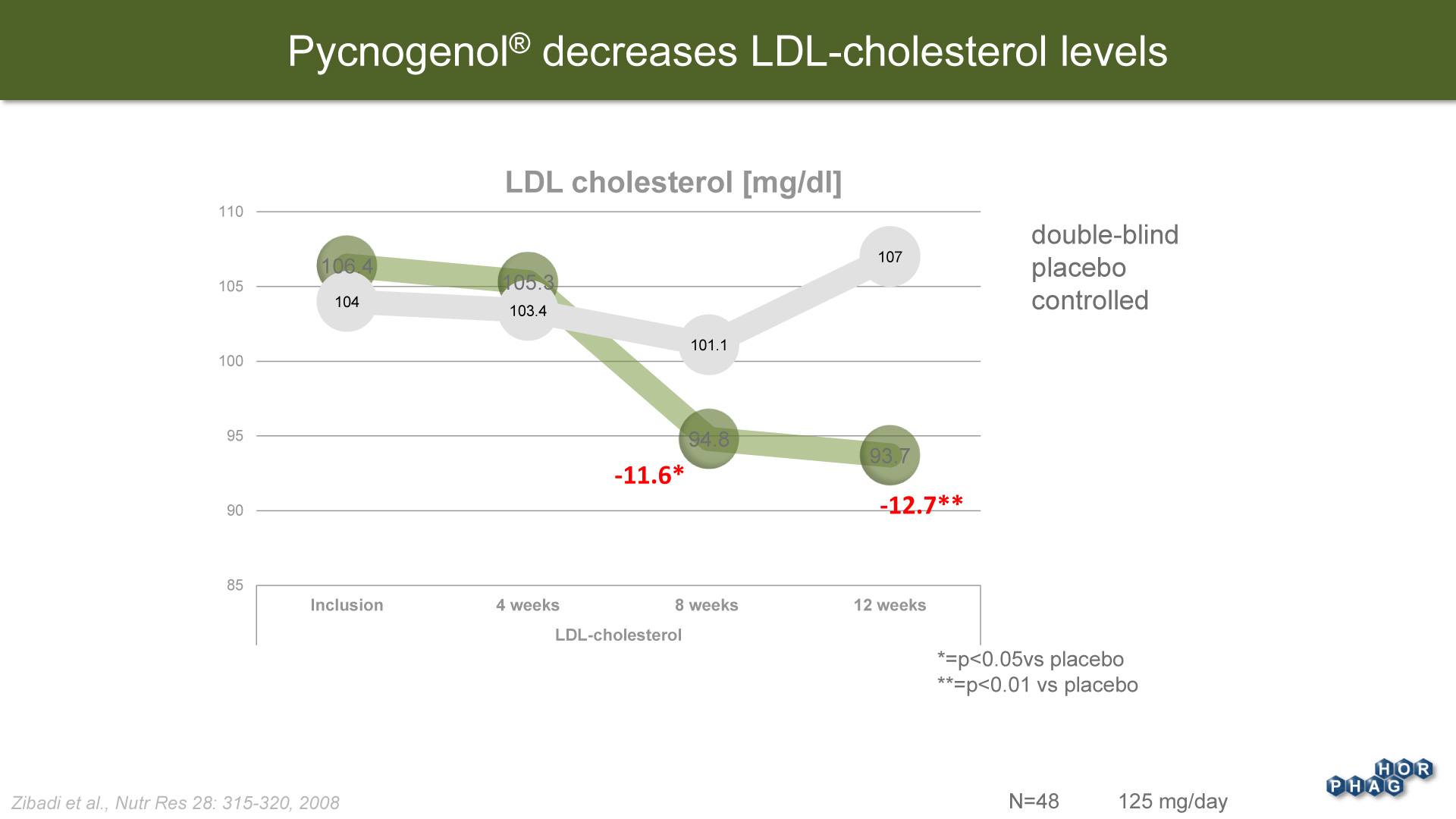
- Support for normal LDL levels (Pycnogenol®)
- Support for normal HDL levels (Pycnogenol®)
- Support for normal triglyceride levels (Pycnogenol®)
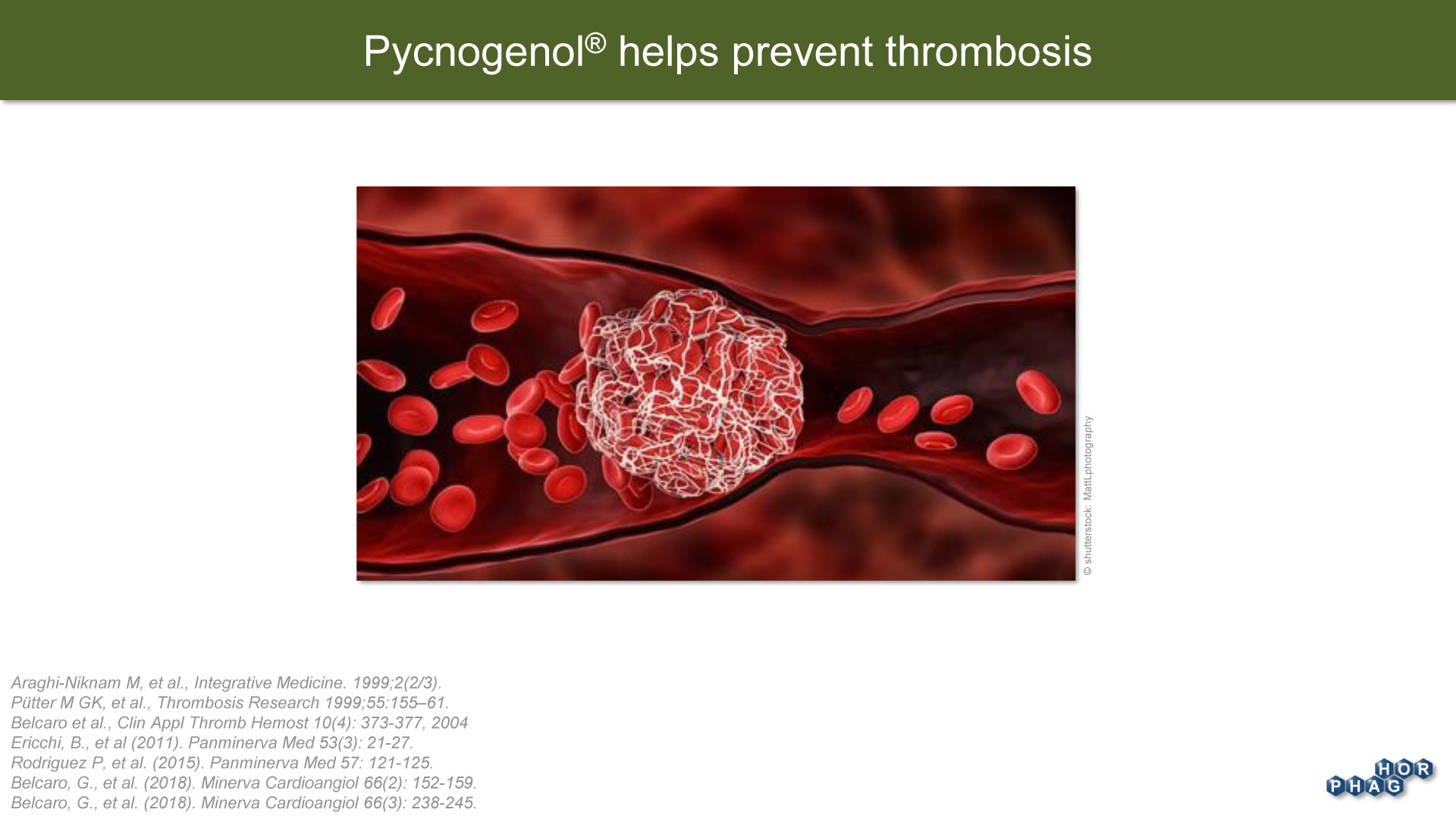
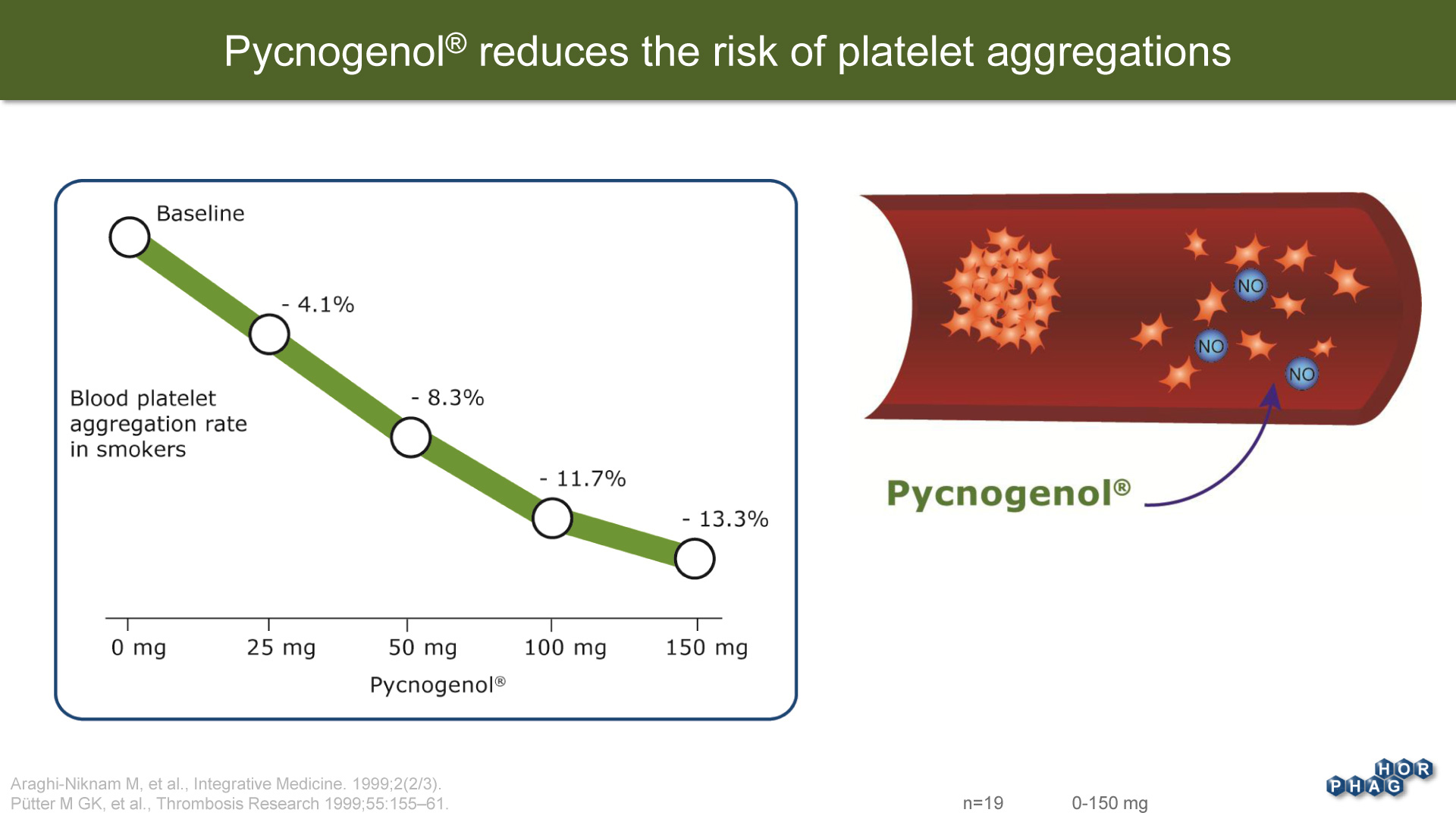
- Support for normal platelet function (Pycnogenol®)
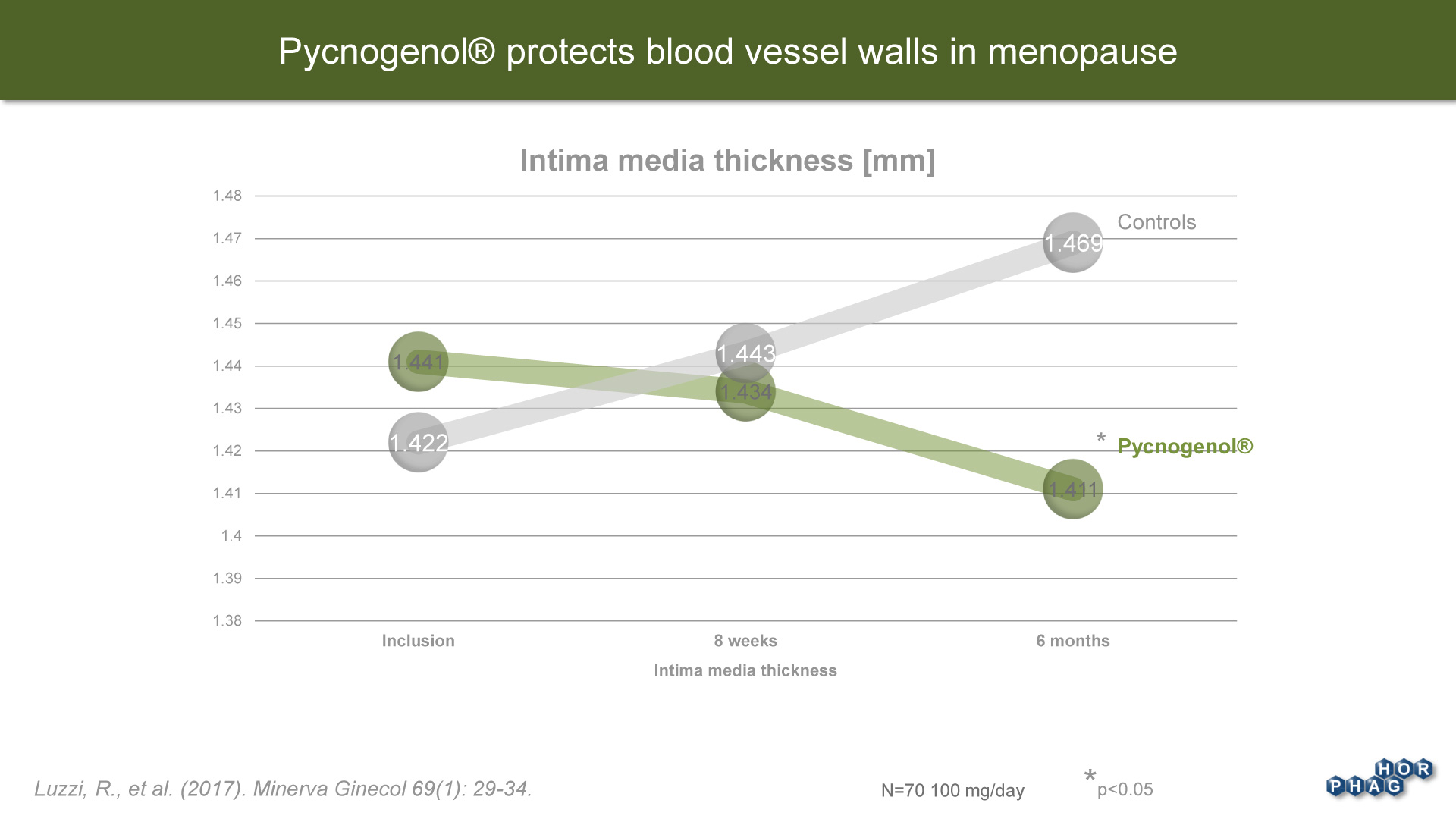
- Support for vascular wall health (Pycnogenol®)
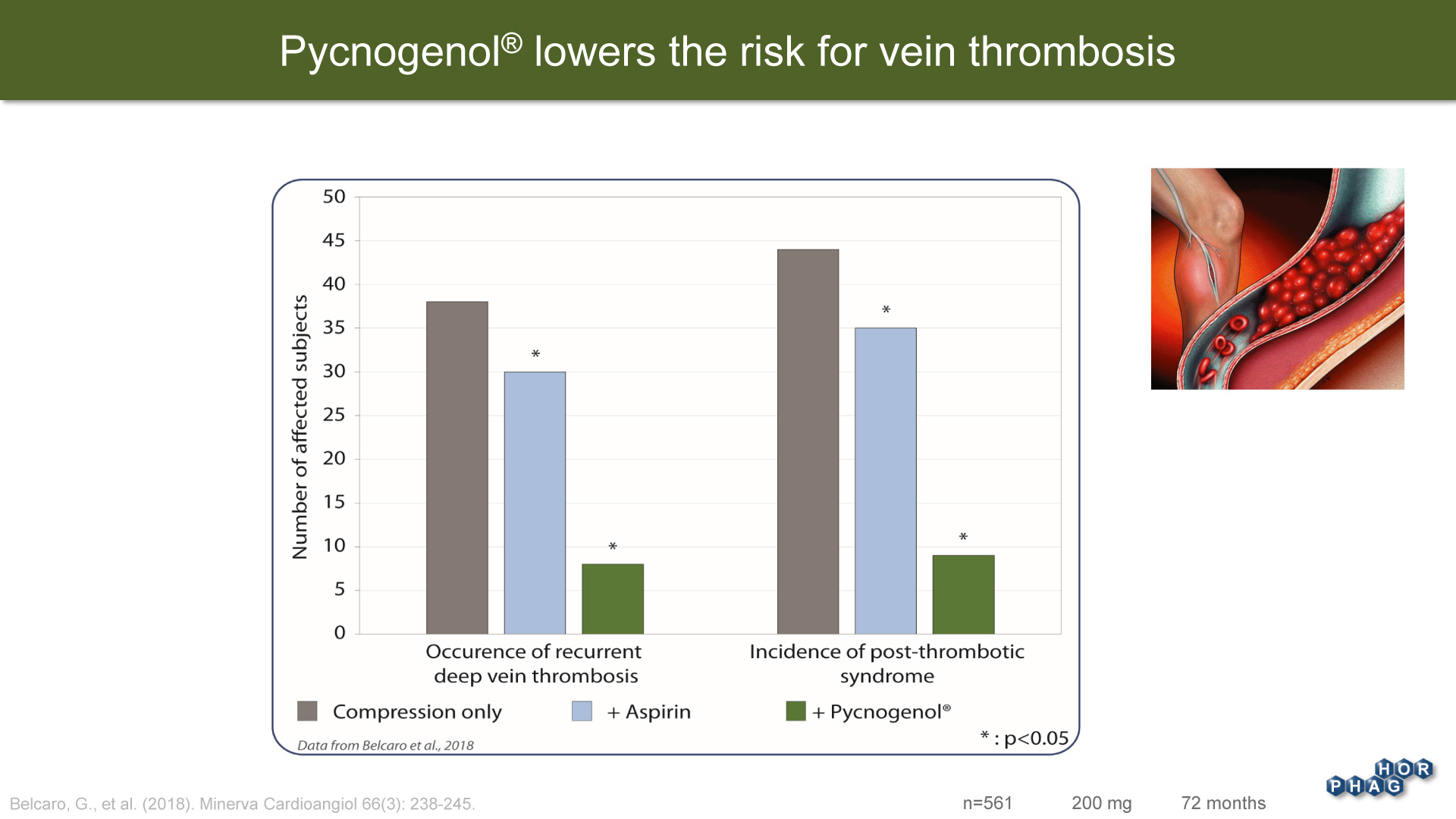
- Support for normal venous function and relief from the sensation of “heavy legs” (Pycnogenol®)
- Support for normal heart function via electrolyte balance (Mg)
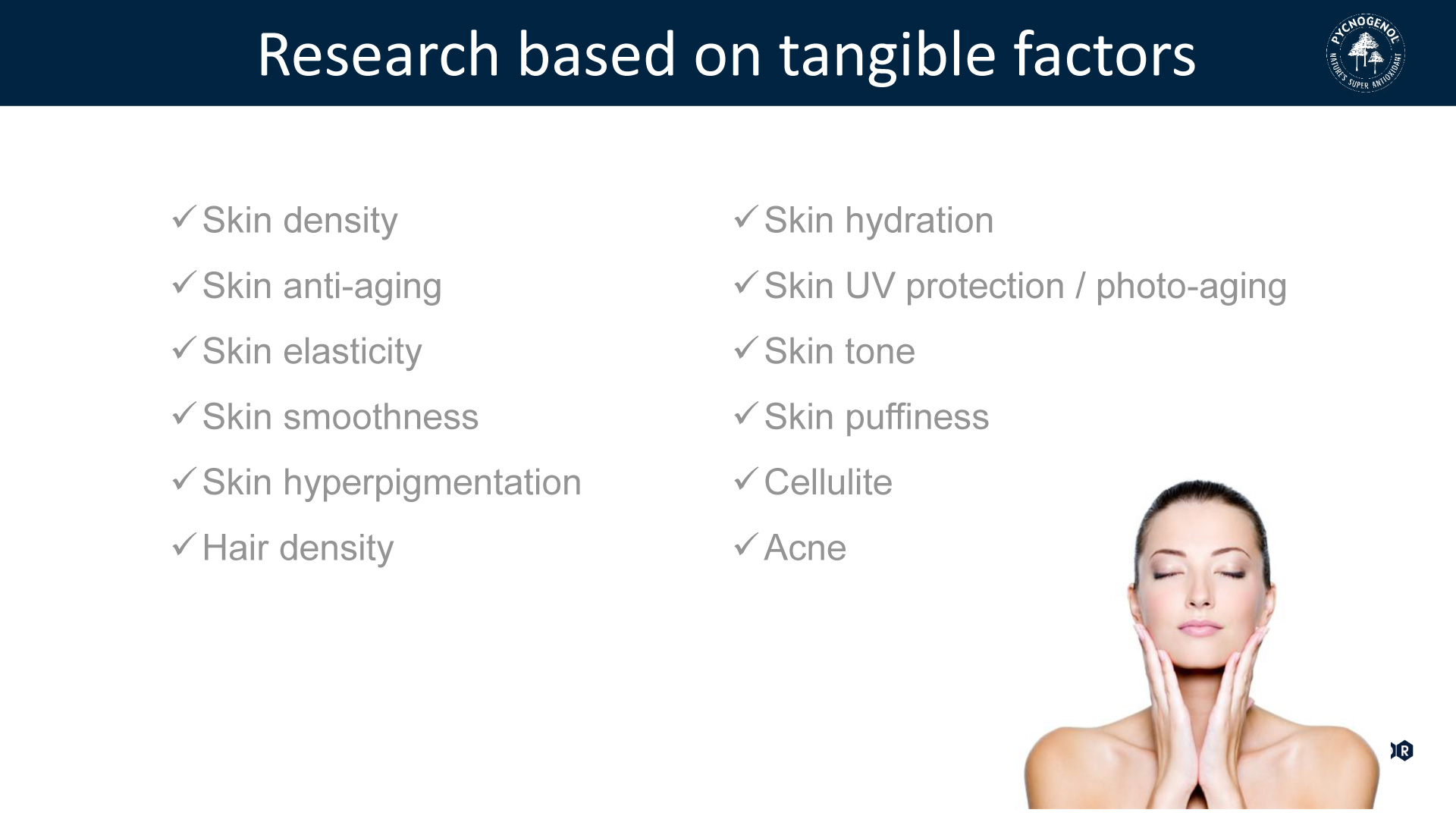
Skin & Beauty
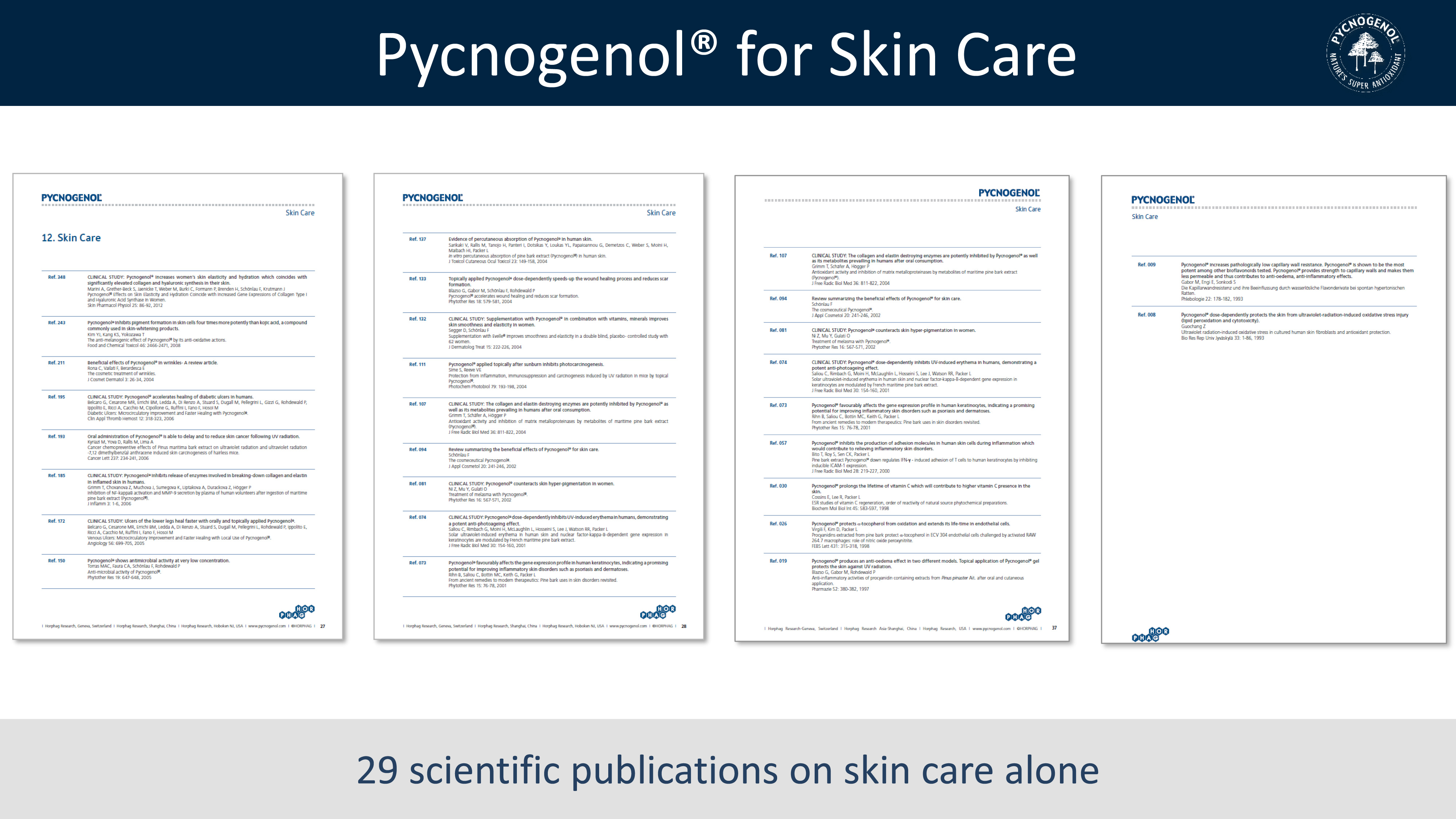
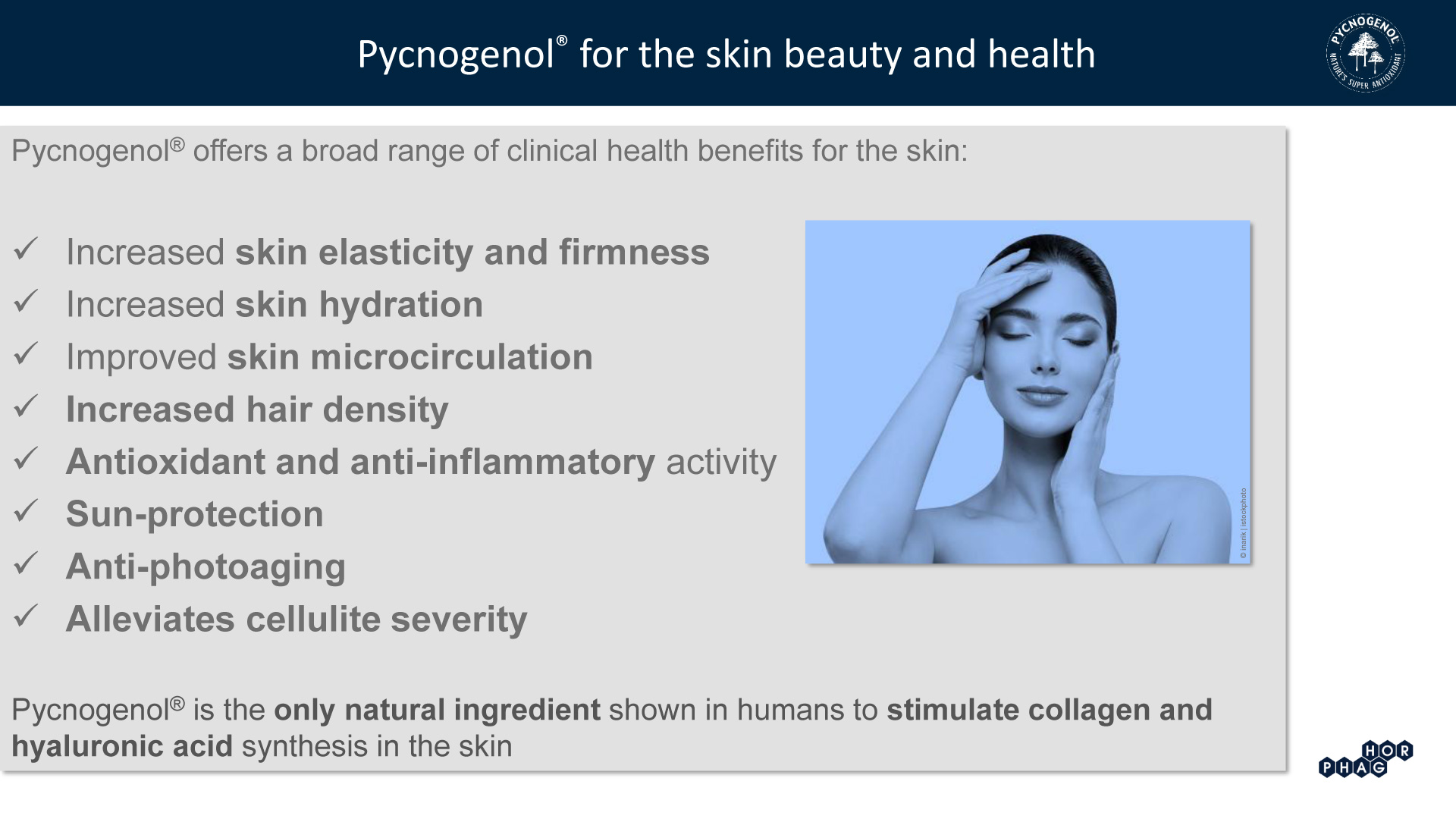
- Support for skin health and structure (Pycnogenol®, Zn, Se)
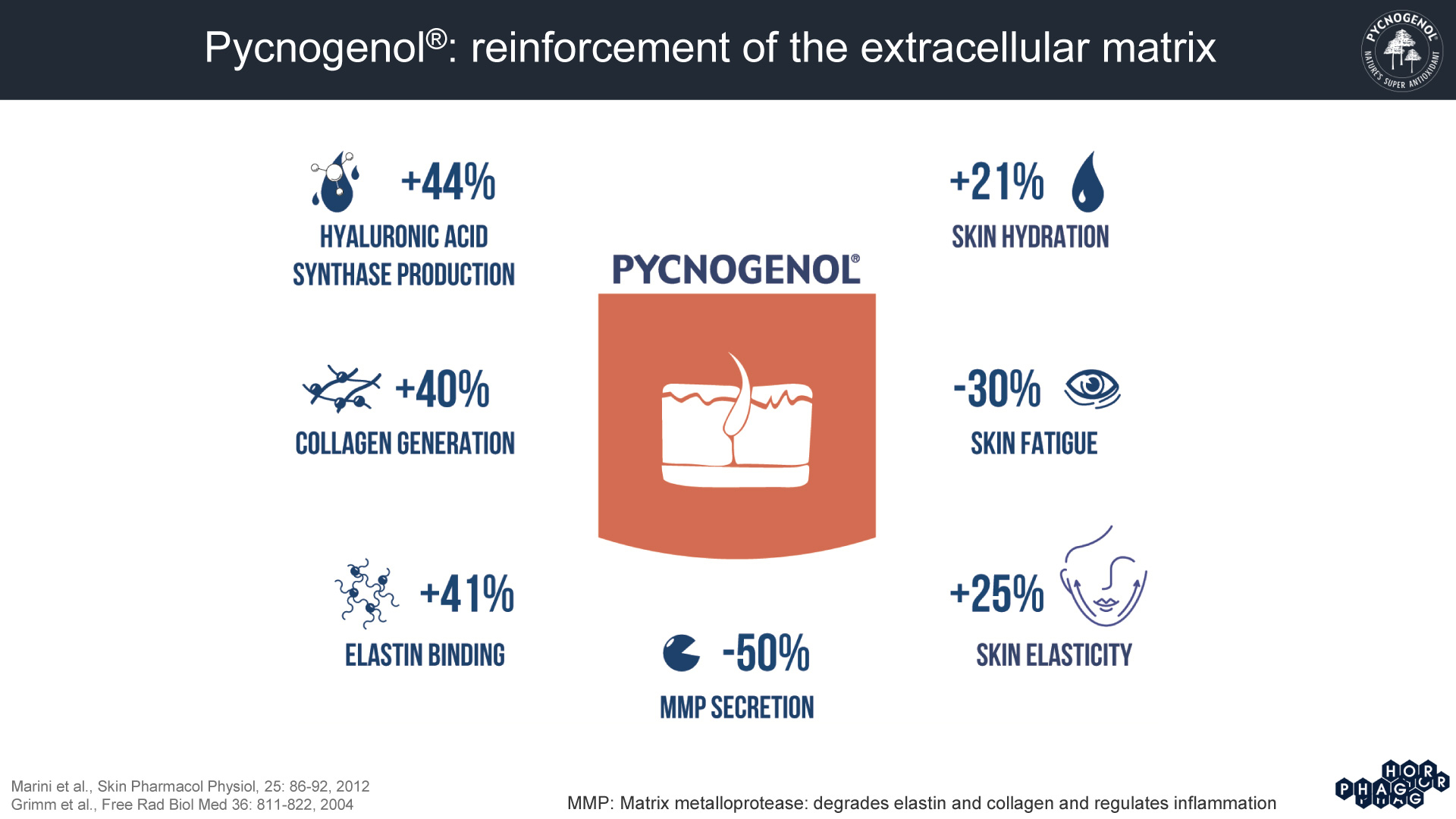
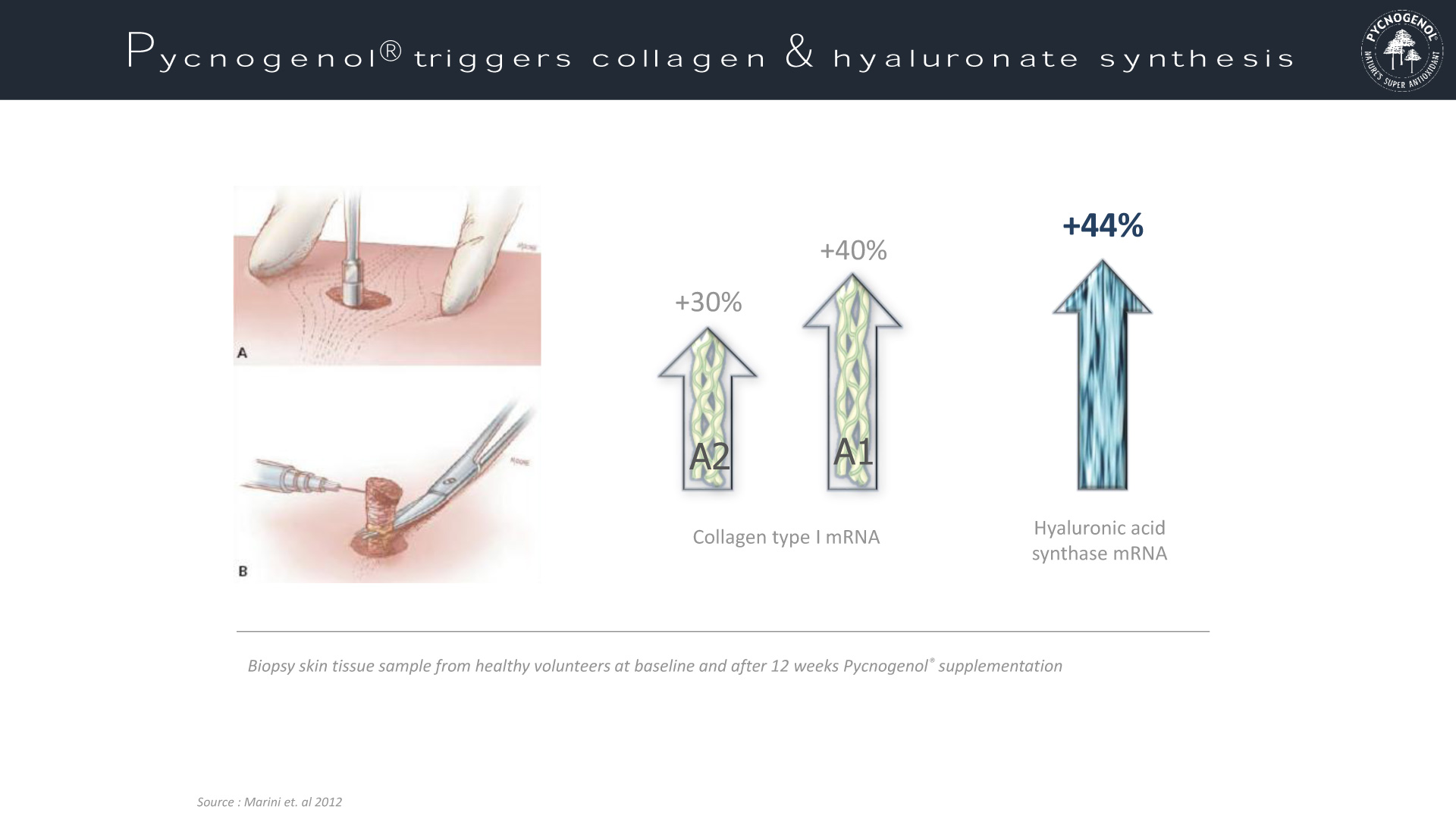
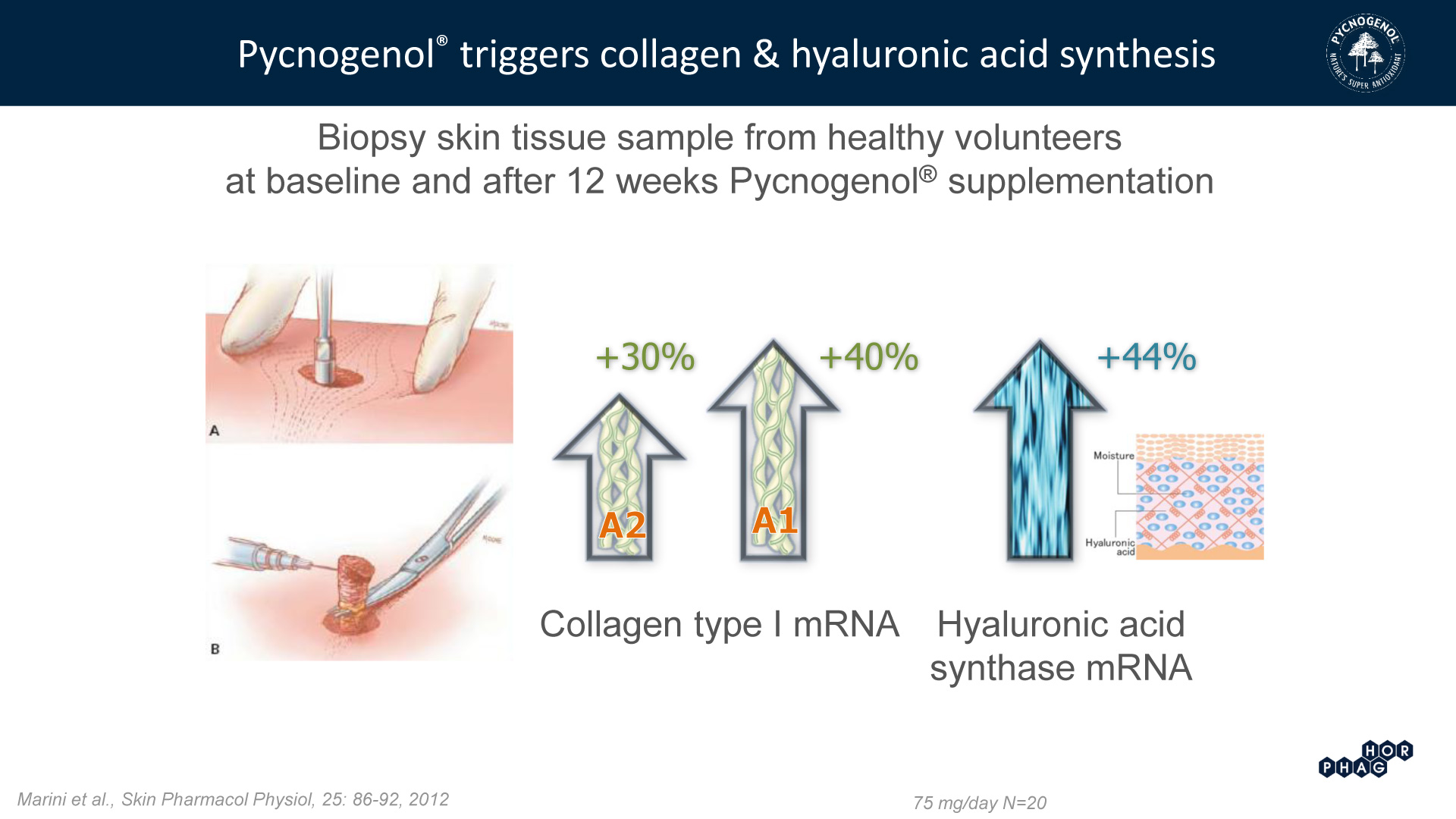
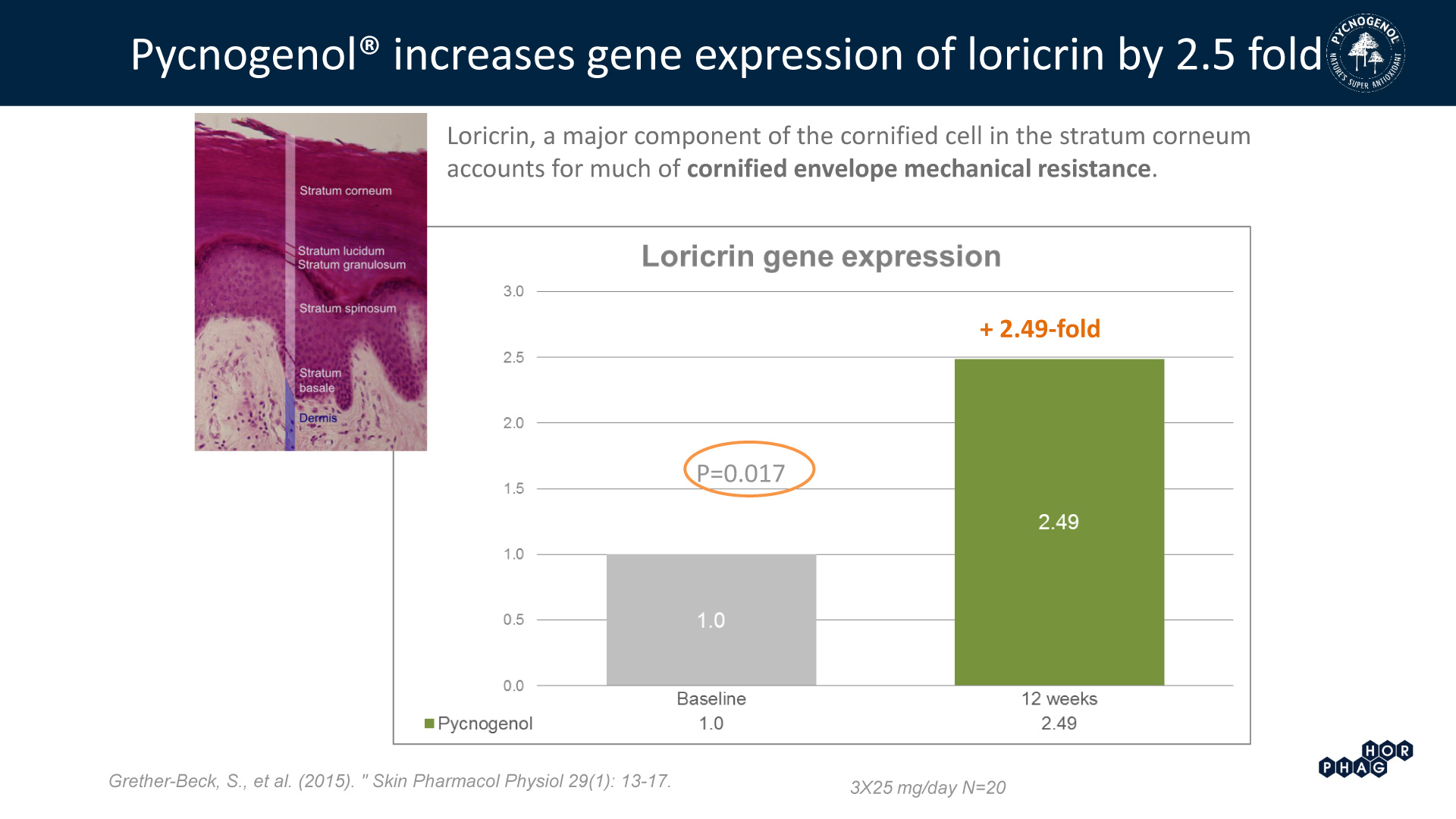
- Support for collagen and hyaluronic acid synthesis (Pycnogenol®) — the presentation notes an increase in type I collagen and hyaluronic acid expression
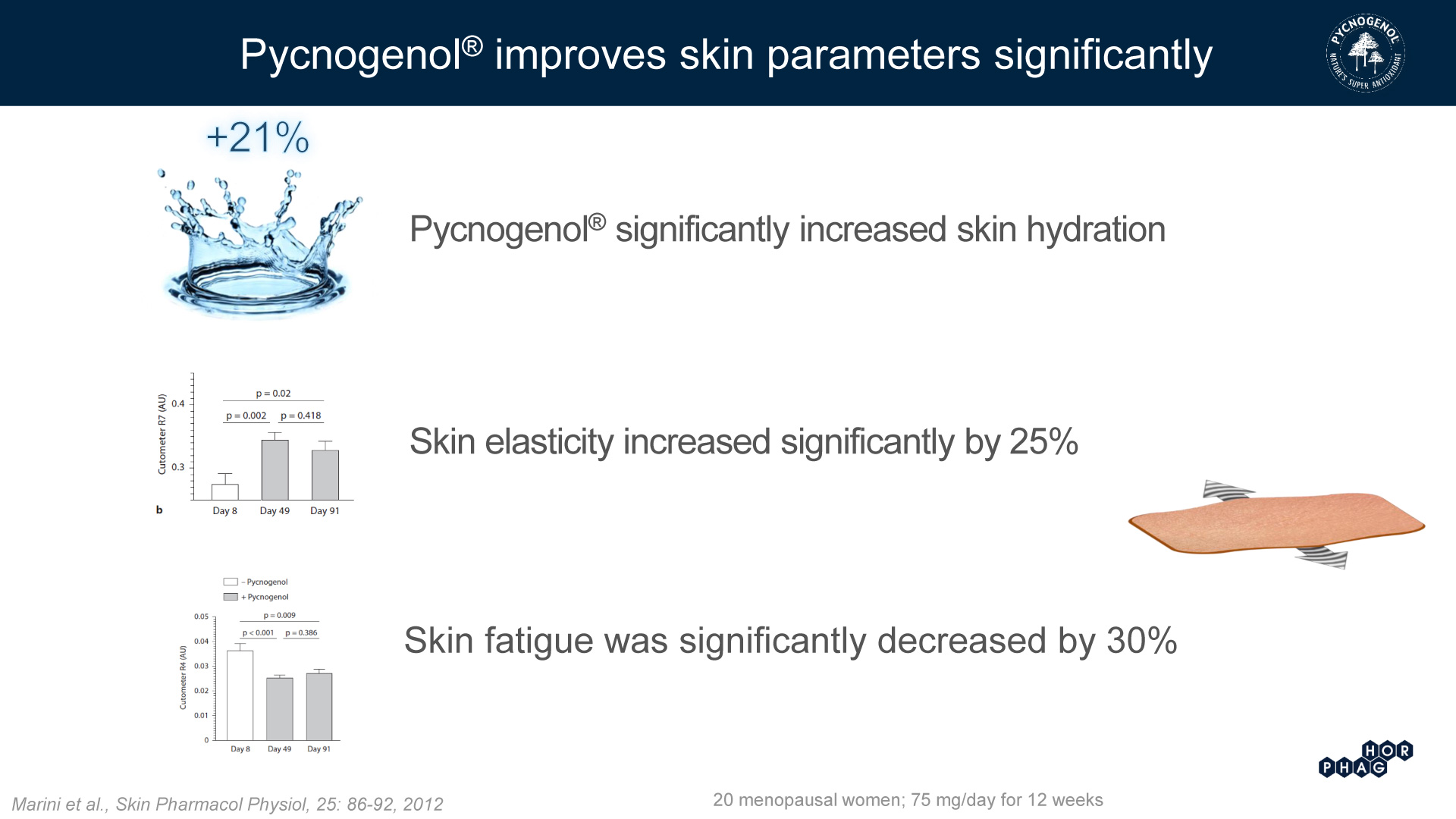
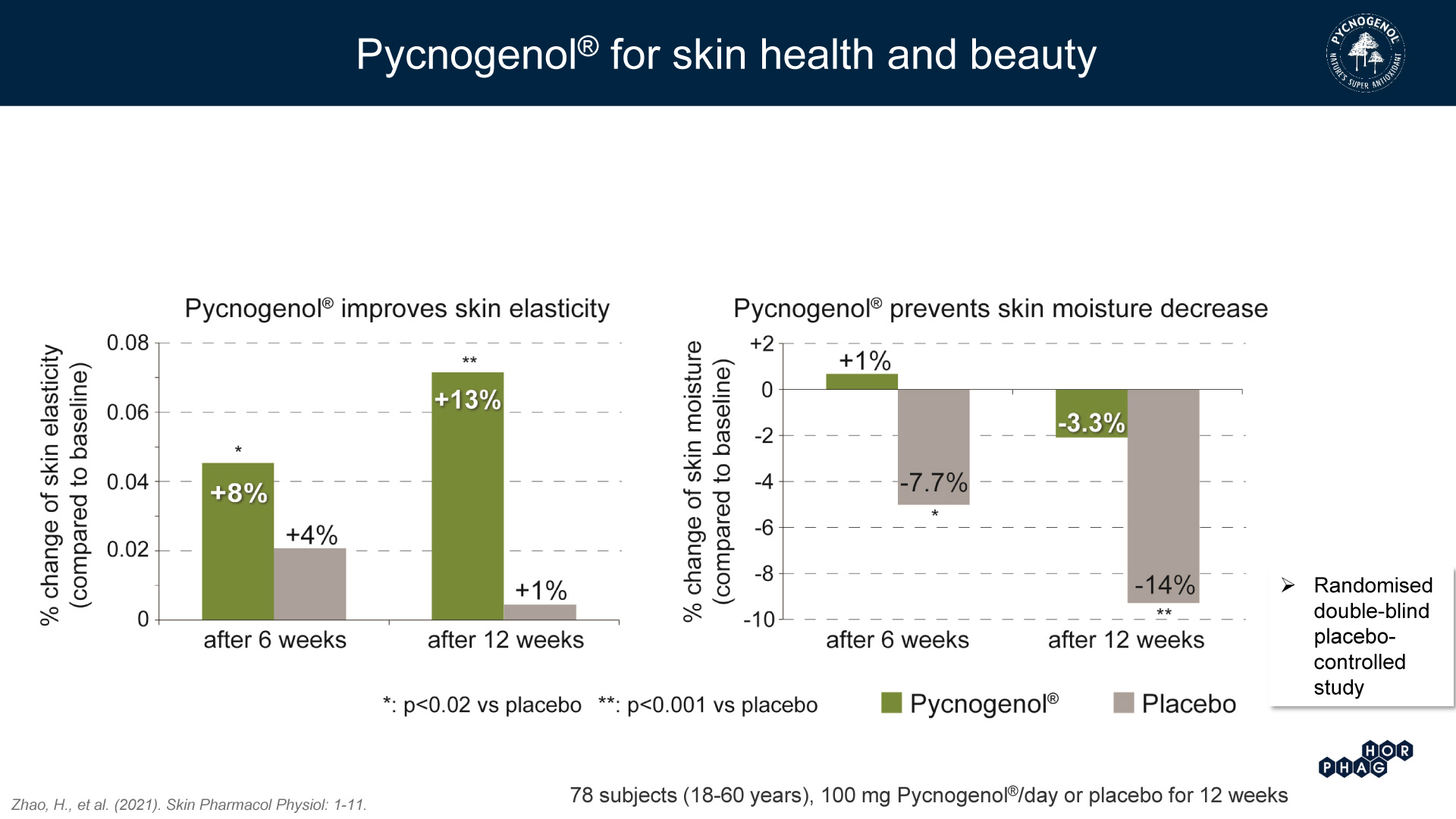
- Support for skin elasticity and firmness (Pycnogenol®)
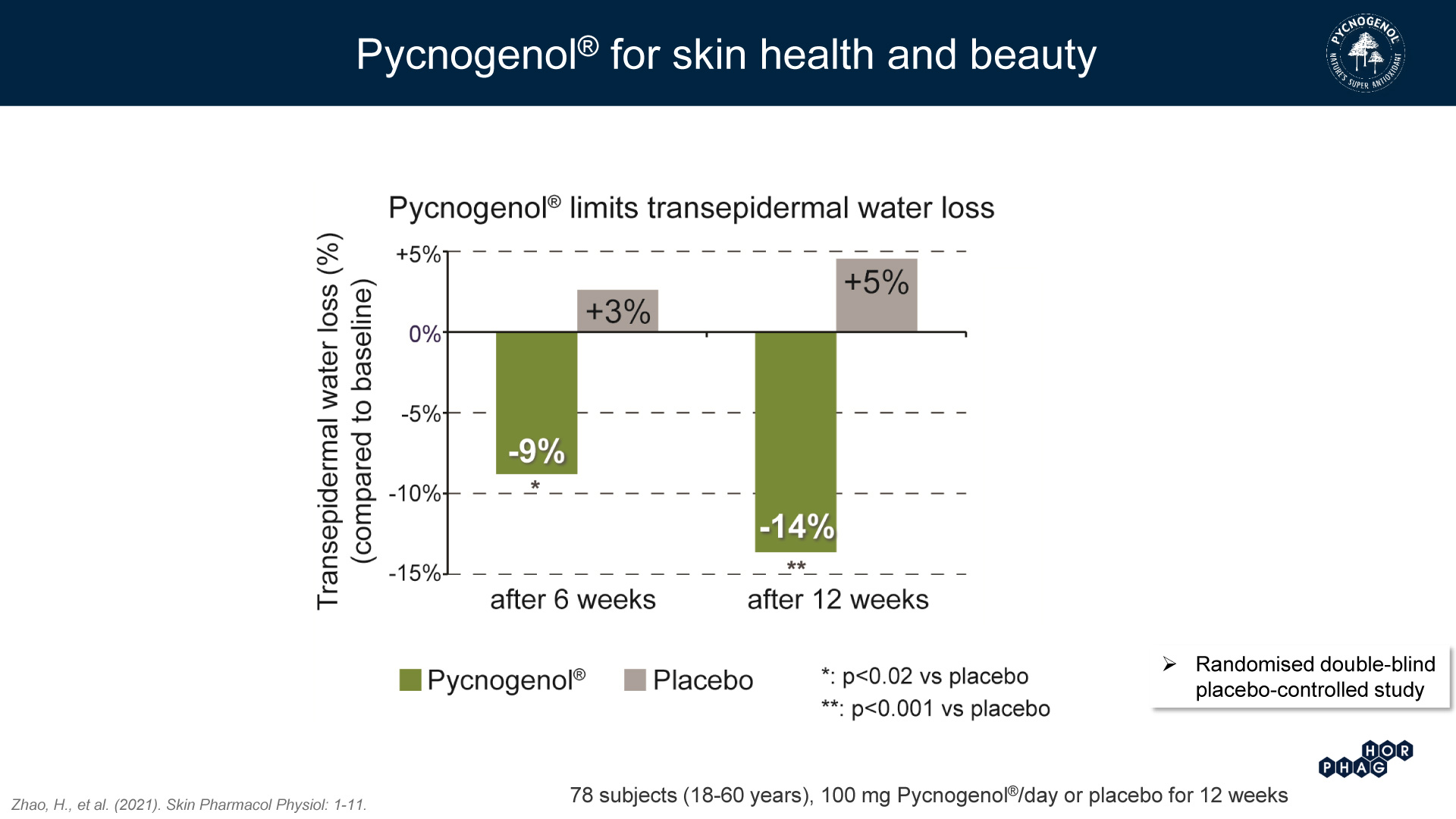
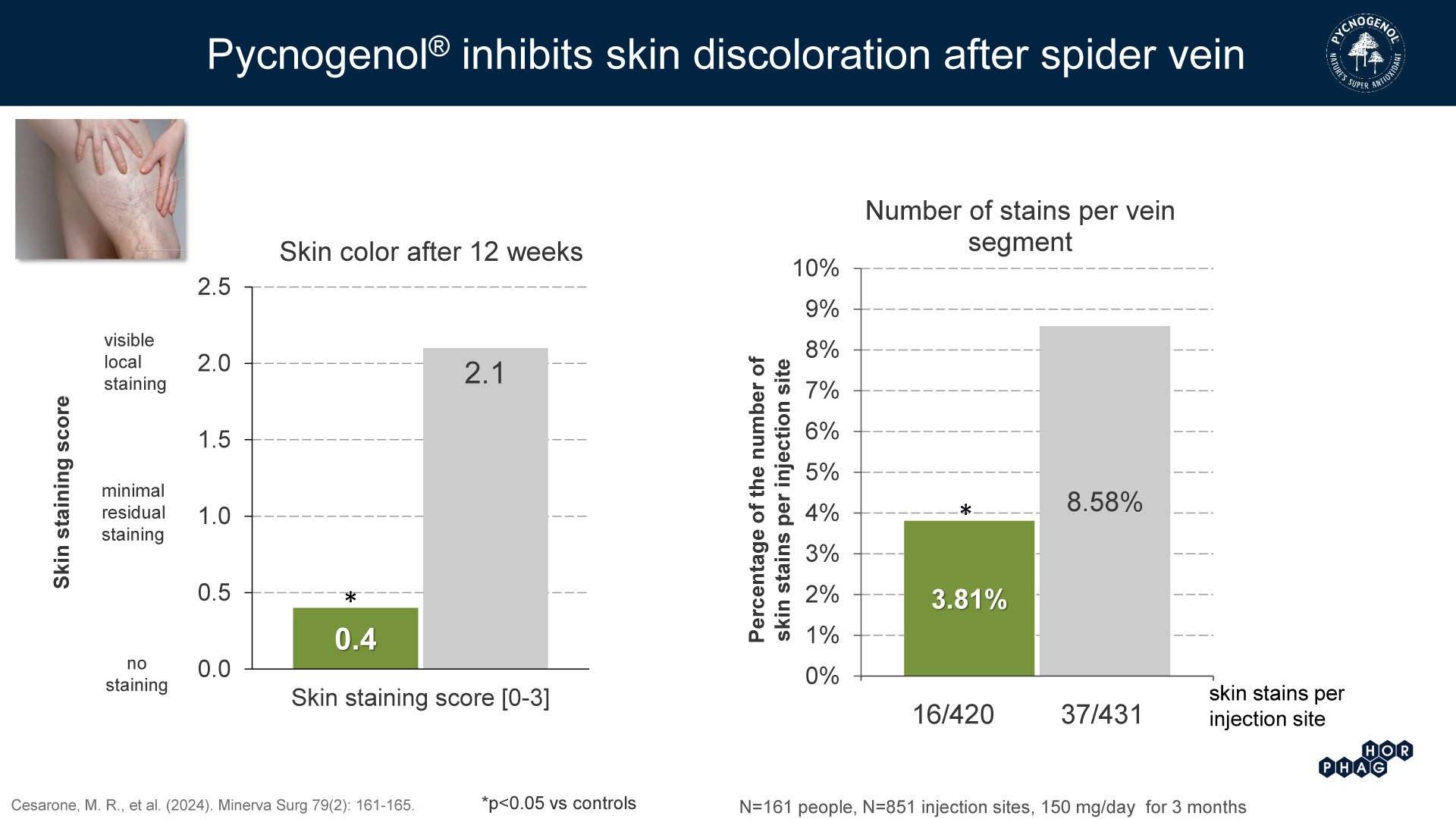
- Support for skin hydration and the skin barrier (Pycnogenol®) — the study presented reports +21% hydration and +25% elasticity
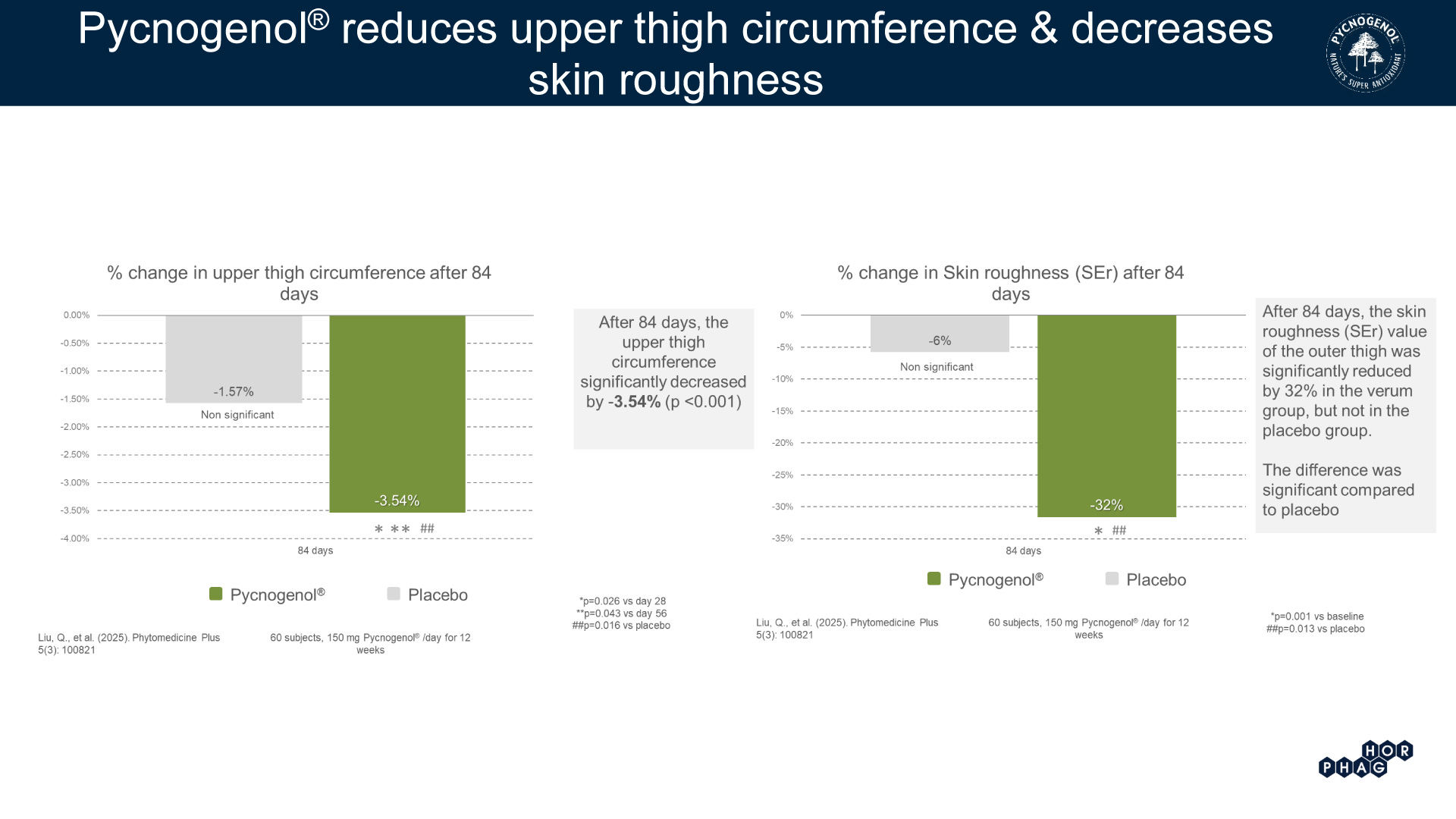
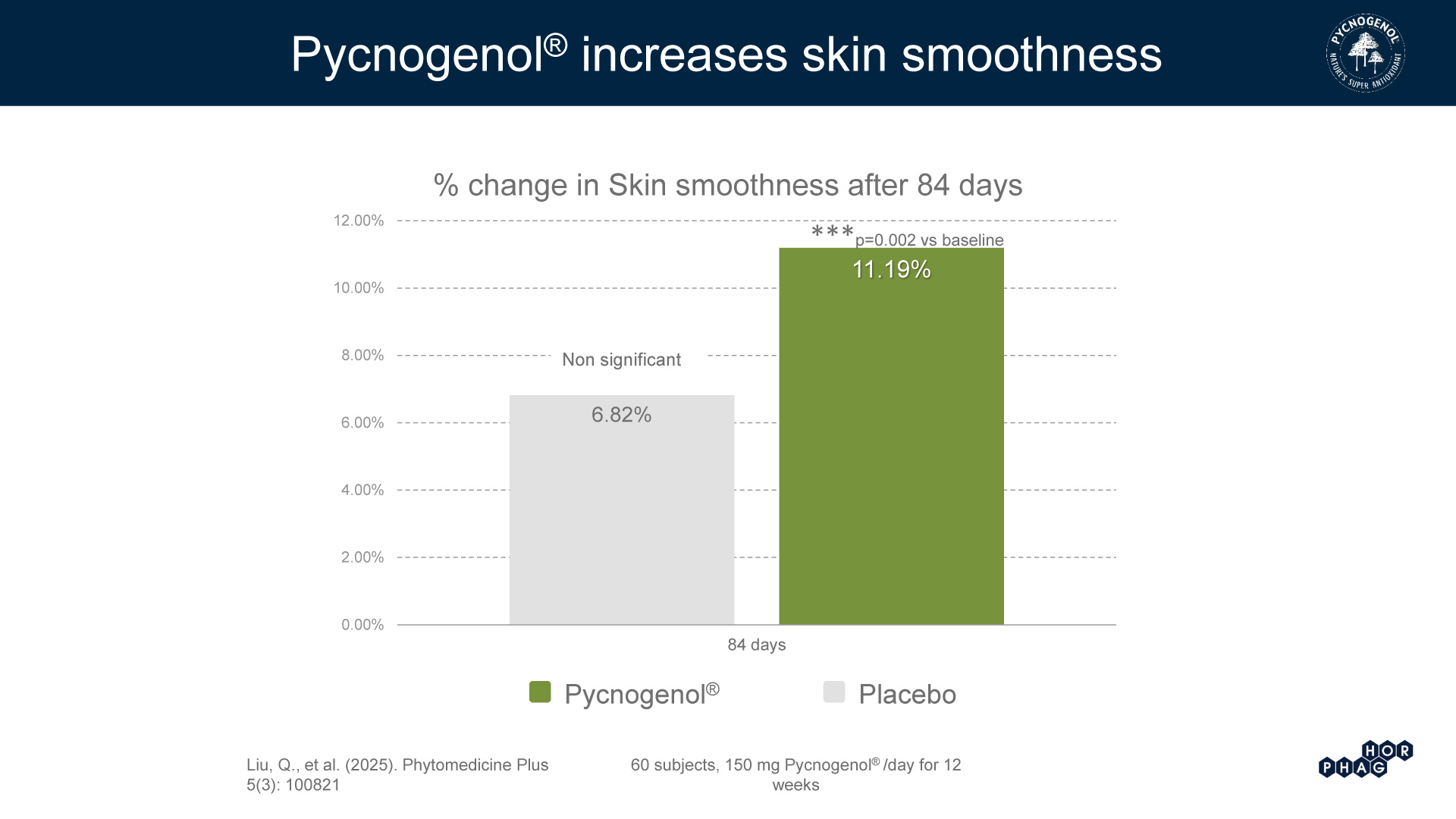
- Support for smooth and even skin texture (Pycnogenol®)
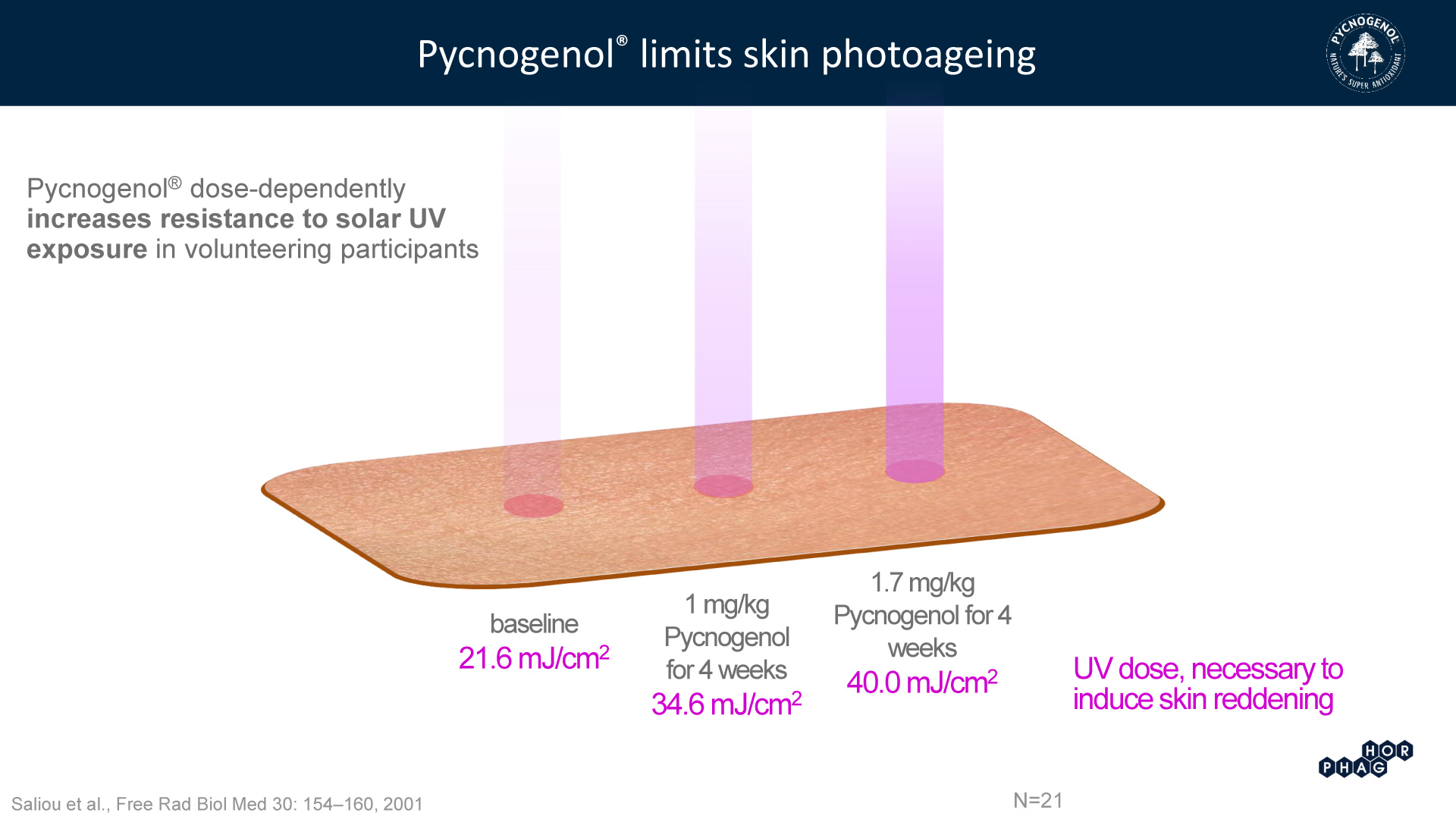
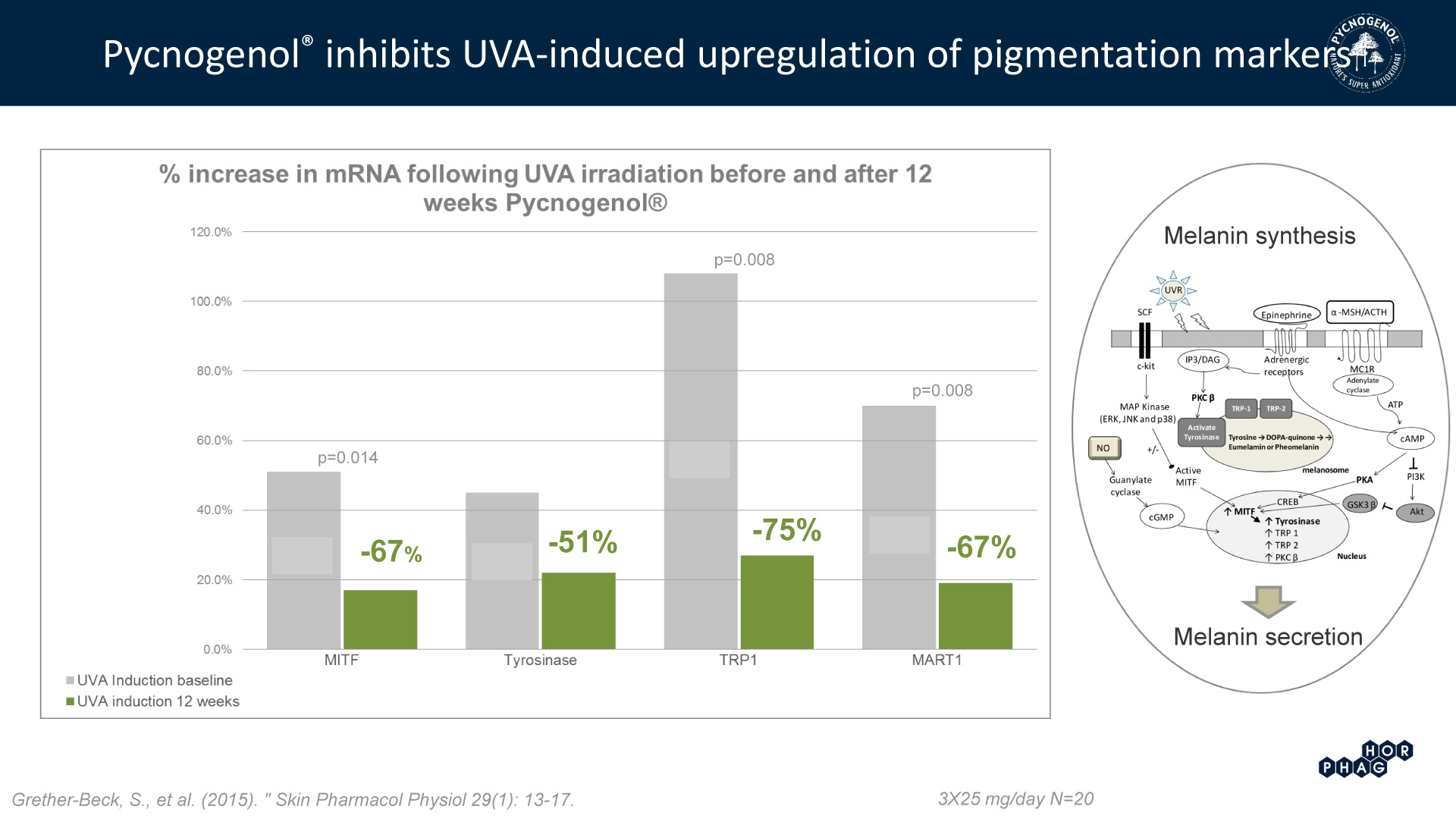
- Support for the skin’s natural protection against UV radiation (Pycnogenol®)
- Support for protection against photoaging (Pycnogenol®)
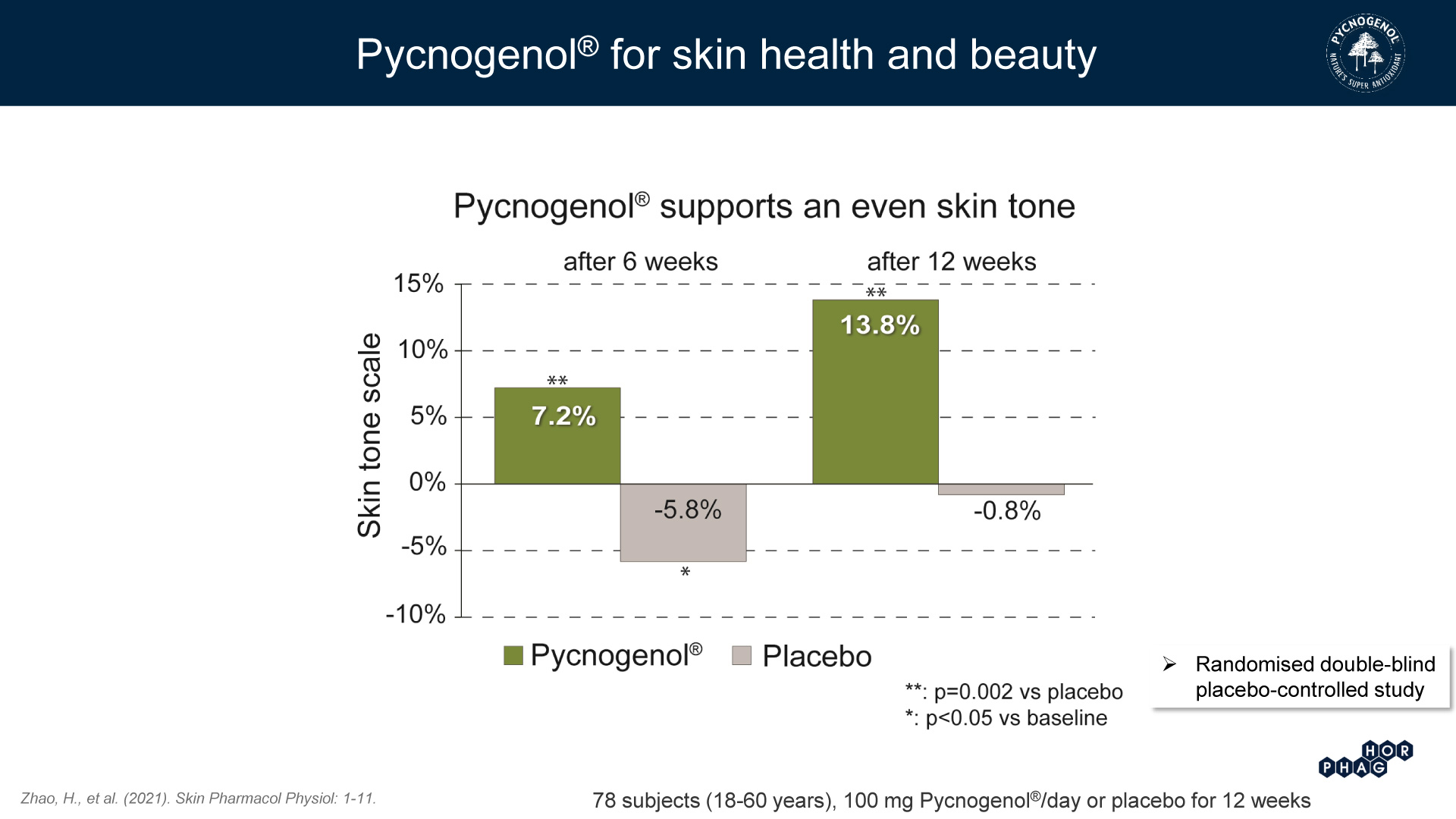
- Support for even skin tone and a healthy appearance (Pycnogenol®)
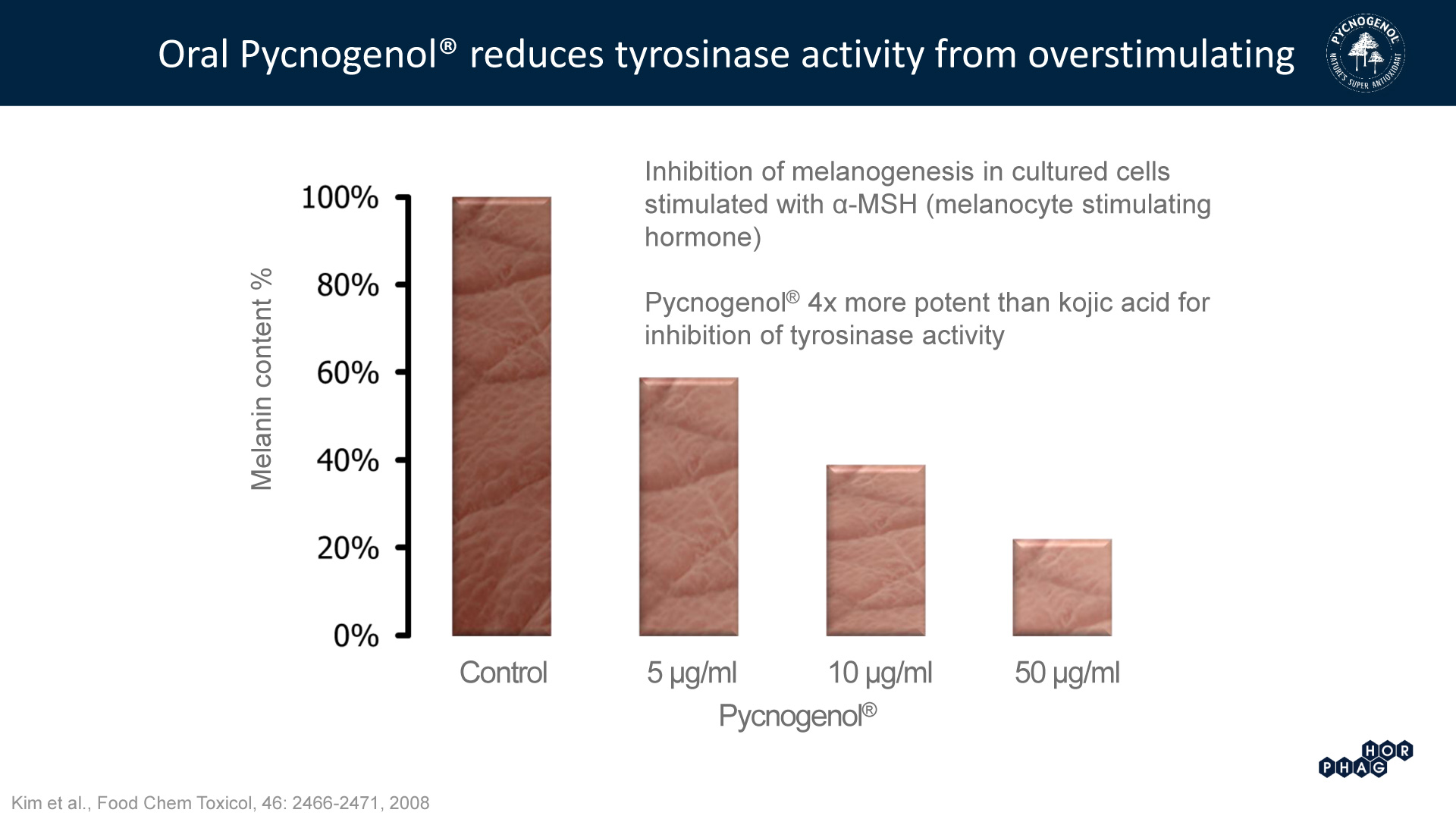
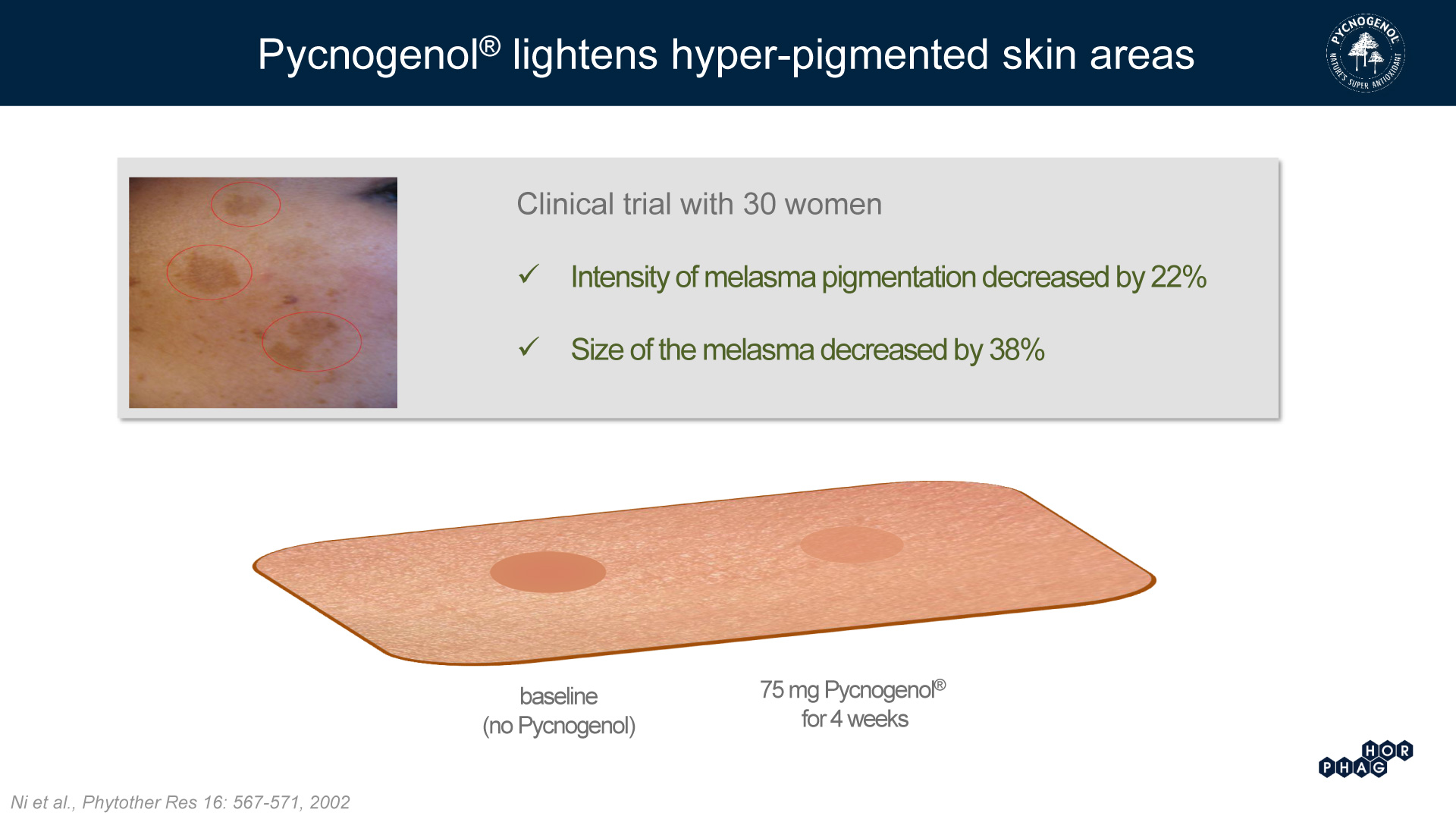
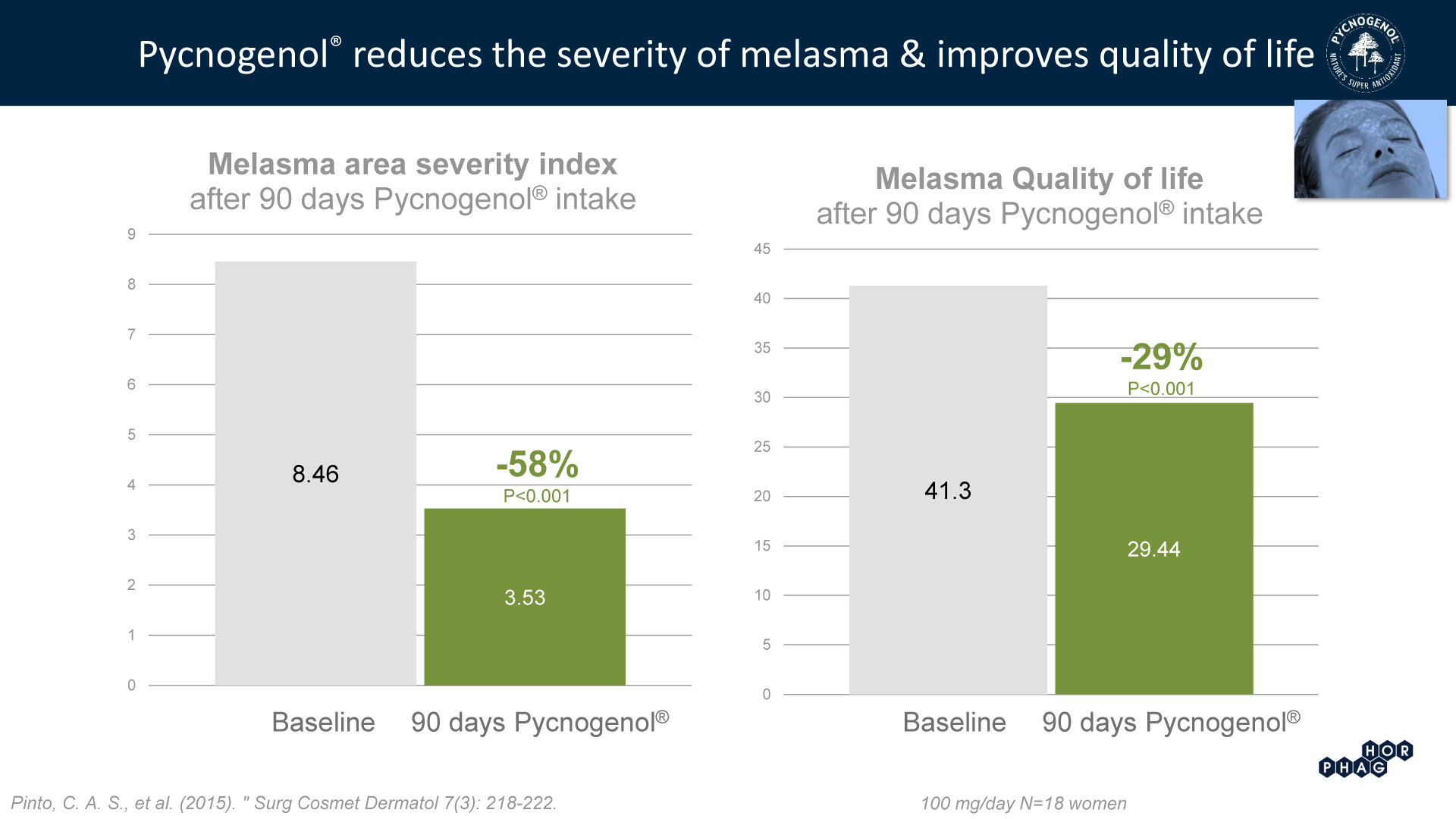
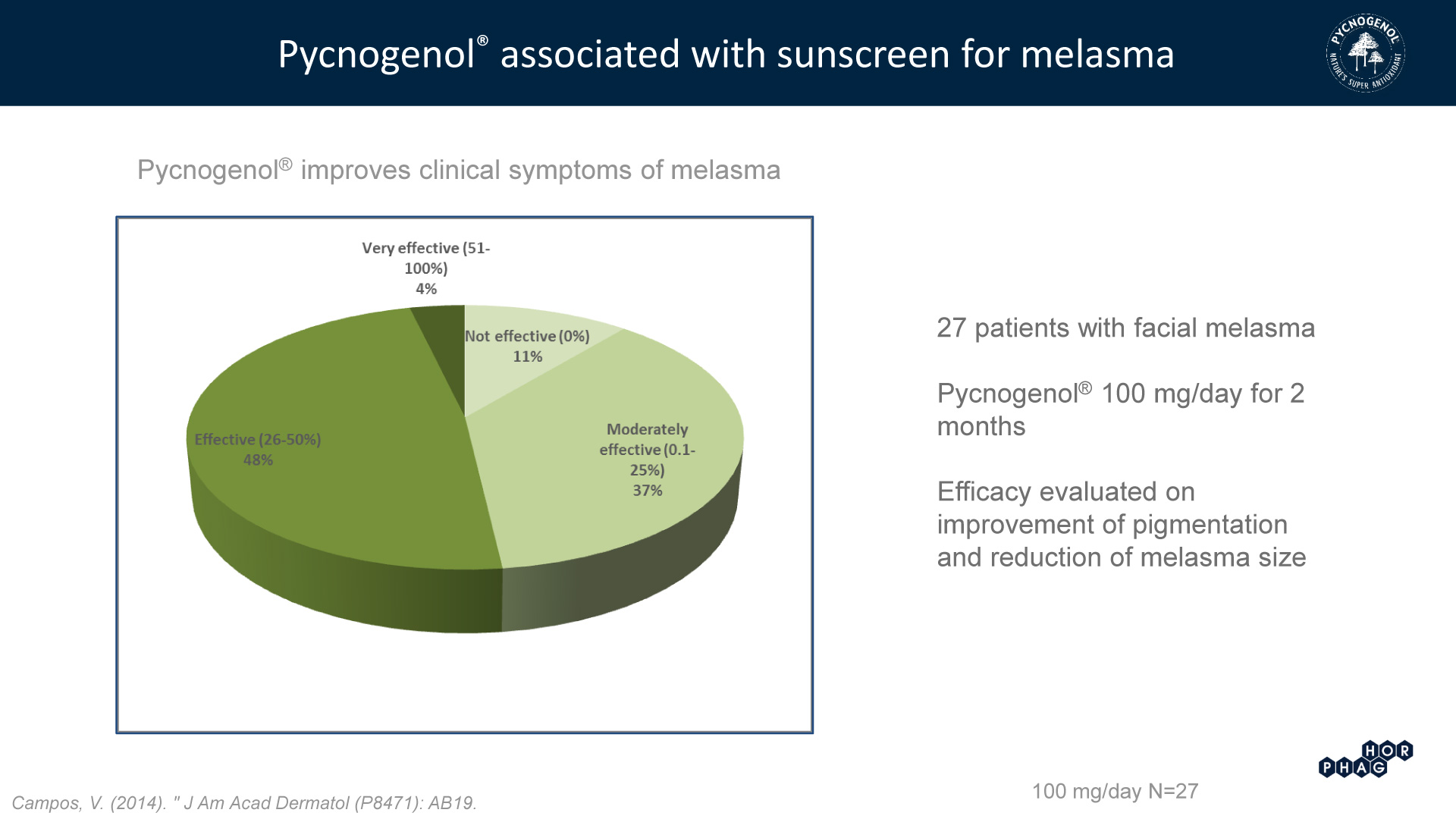
- Support for normal skin pigmentation (Pycnogenol®)
- Support for the appearance of smooth, healthy skin (Pycnogenol®)
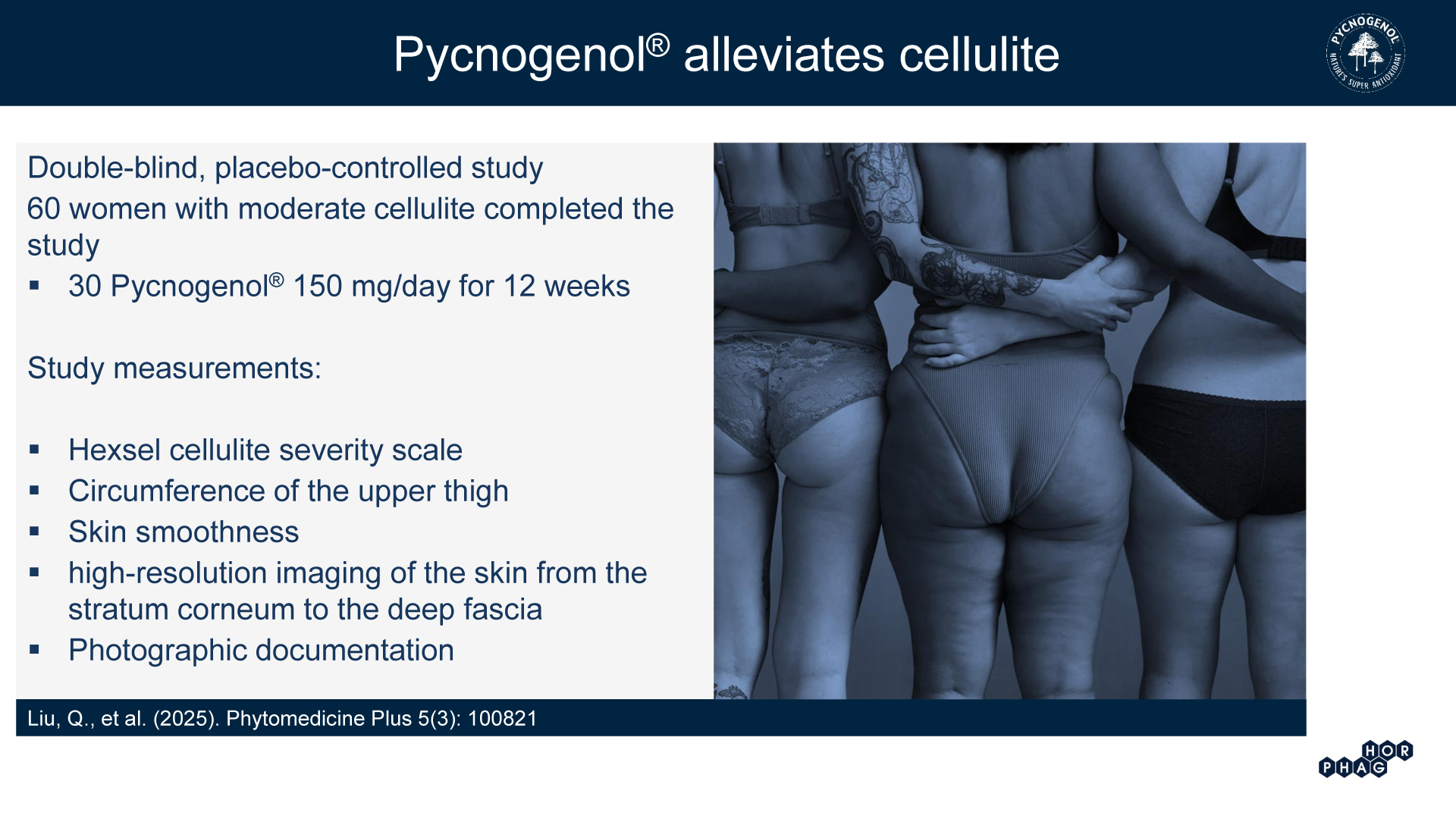
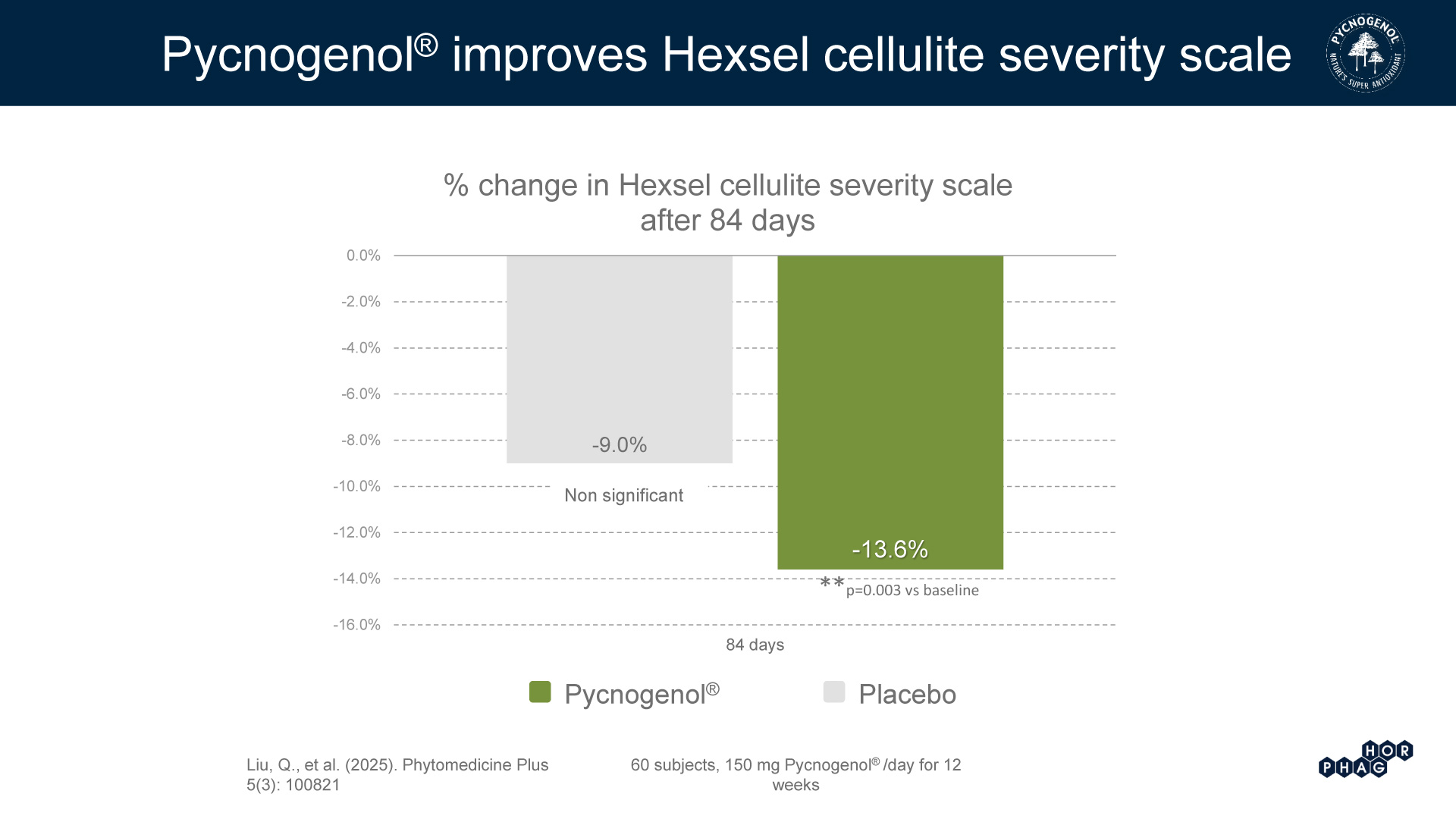
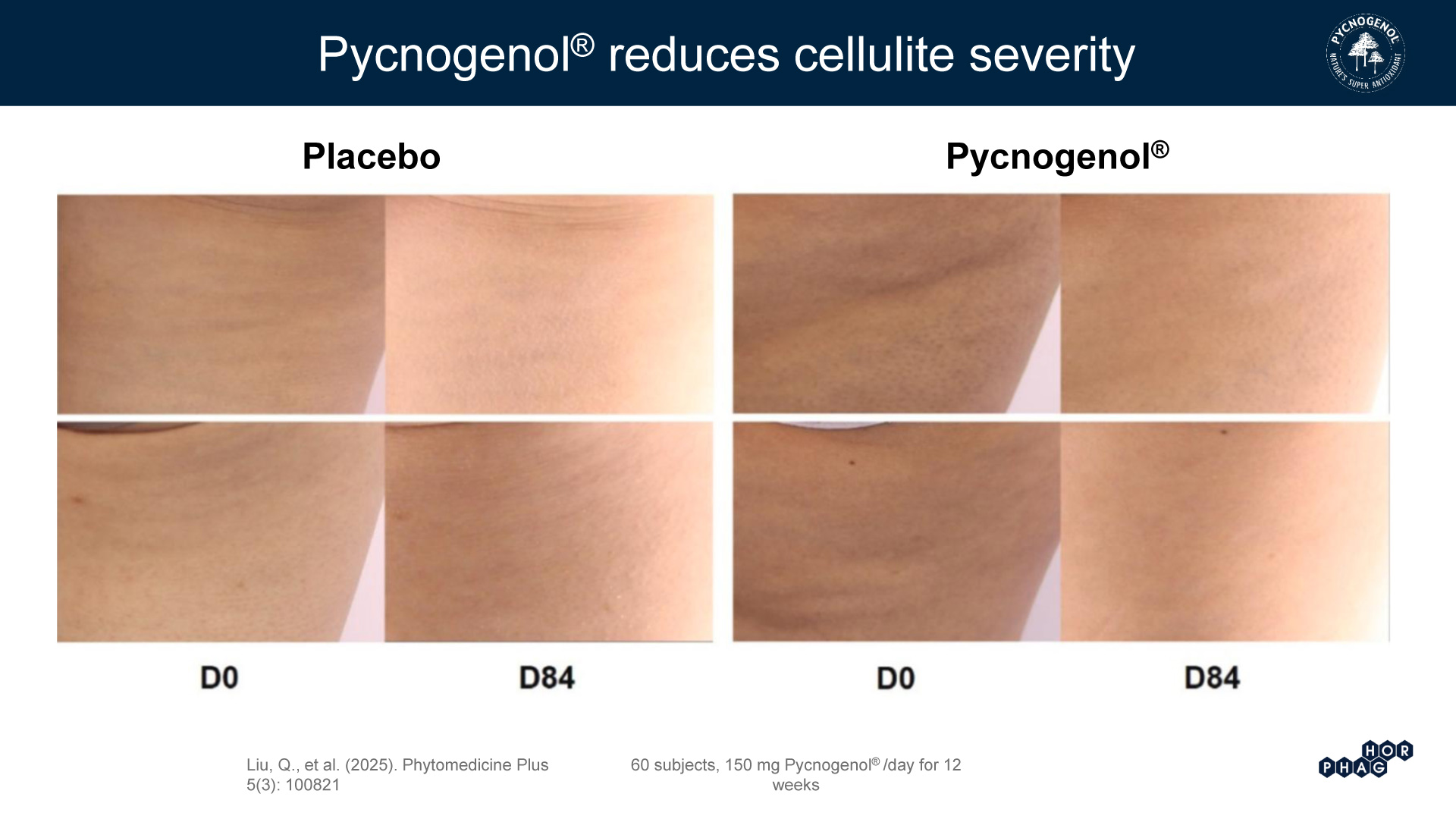
- Support regarding the appearance of cellulite and smooth skin texture (Pycnogenol®) — the presentation includes a 12-week, double-blind, placebo-controlled study
- Support for normal skin healing and integrity (Zn)
- Support for the maintenance of the skin microbiome and skin defense (Zn, Se)
Hair & Scalp
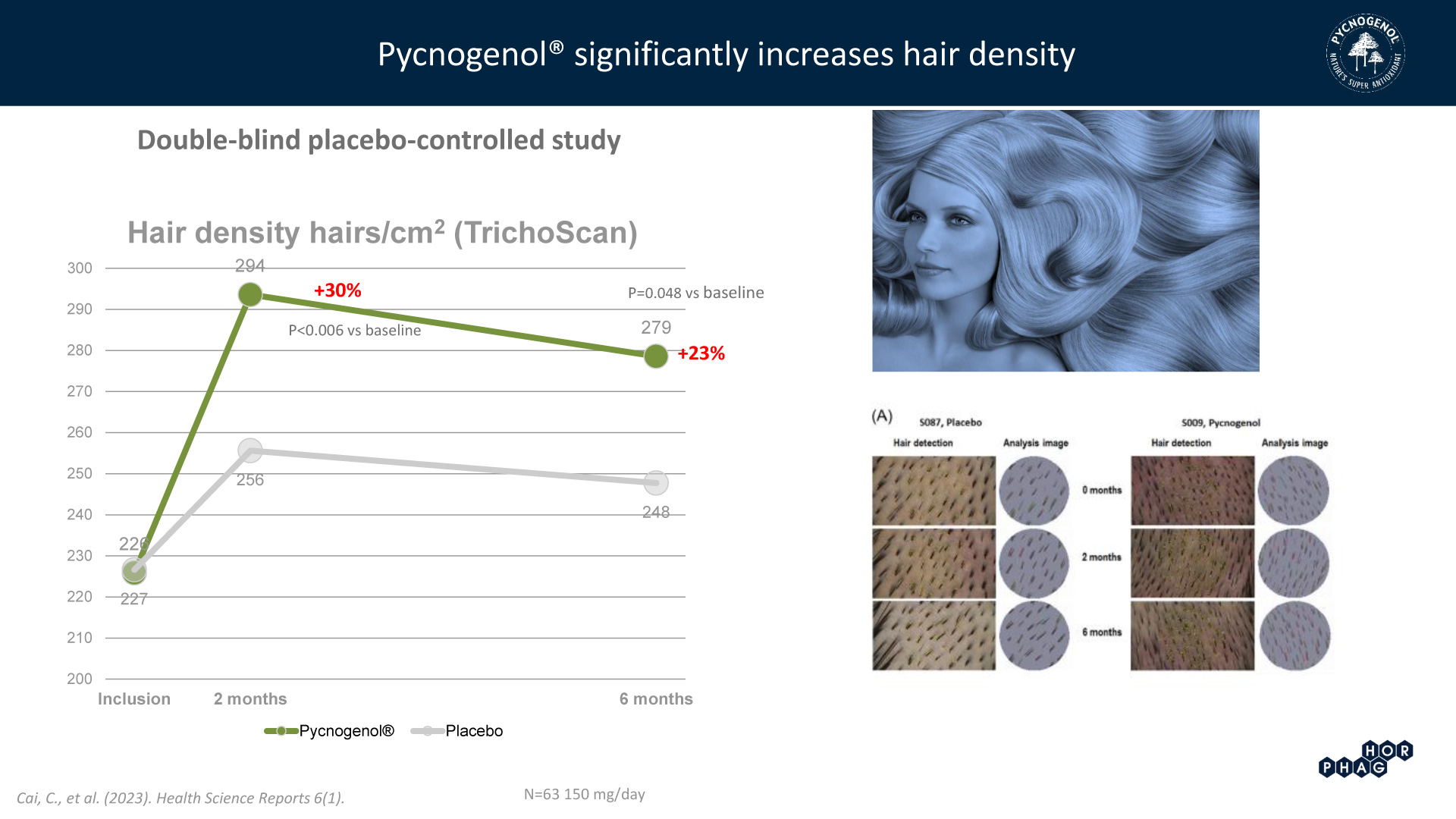
- Support for hair density and health (Pycnogenol®) — the presentation reports a significant increase in hair density in a clinical study
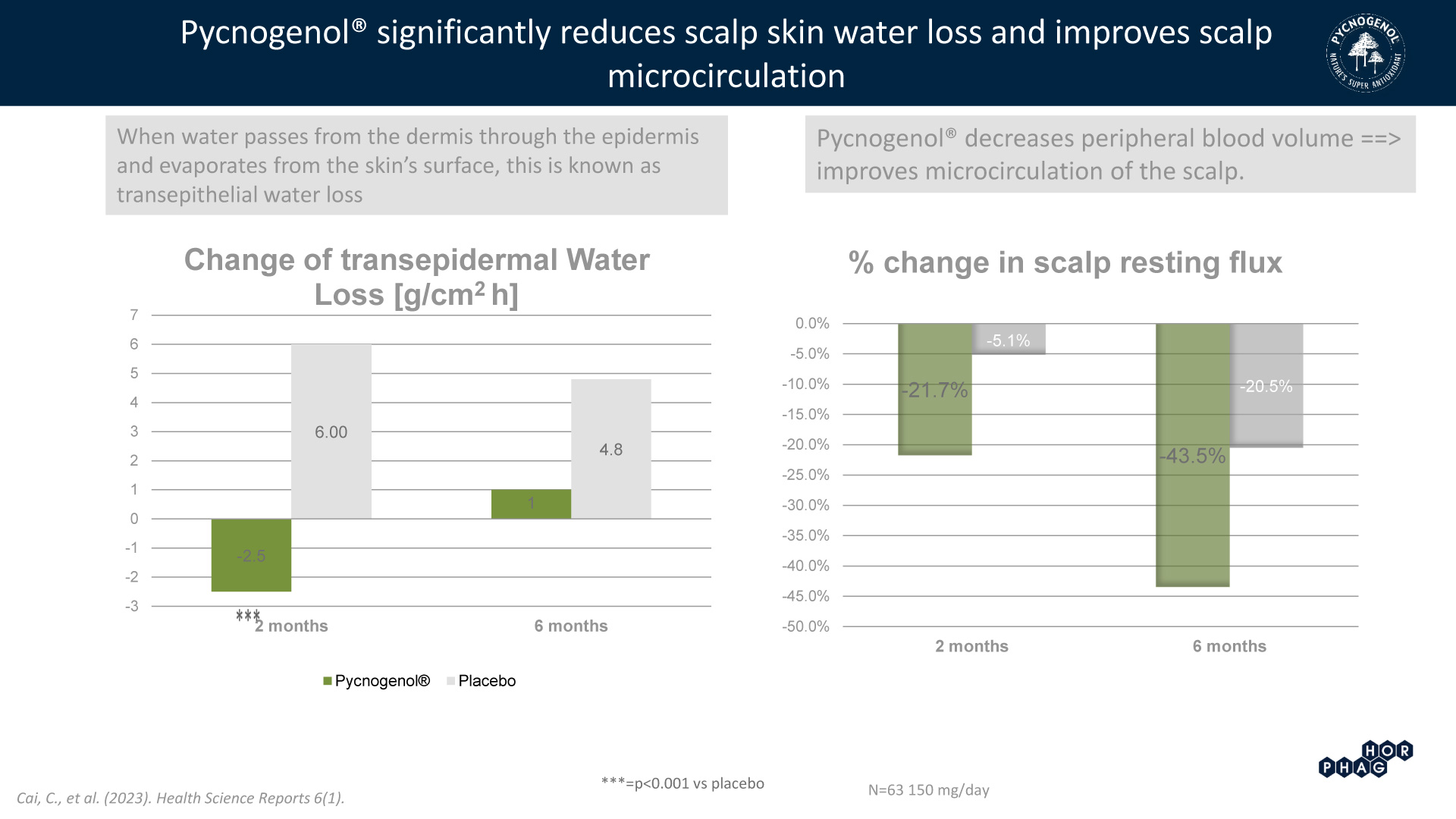
- Support for scalp health and microcirculation (Pycnogenol®)
- Support for maintaining scalp moisture (Pycnogenol®)
- Support for normal hair growth (Zn)
- Support for the normal keratin structure of hair and nails (Zn)
Connective Tissue & Bones
- Support for connective tissue health and collagen-elastin structure (Pycnogenol®)
- Support for normal skin microcirculation and tissue oxygenation (Pycnogenol®)
- Support for bone health (D3, Zn, Mg, EGCG)
- Support for normal calcium and phosphorus absorption and utilization (D3)
- Support for maintaining normal blood calcium levels (D3)
Joints & Mobility
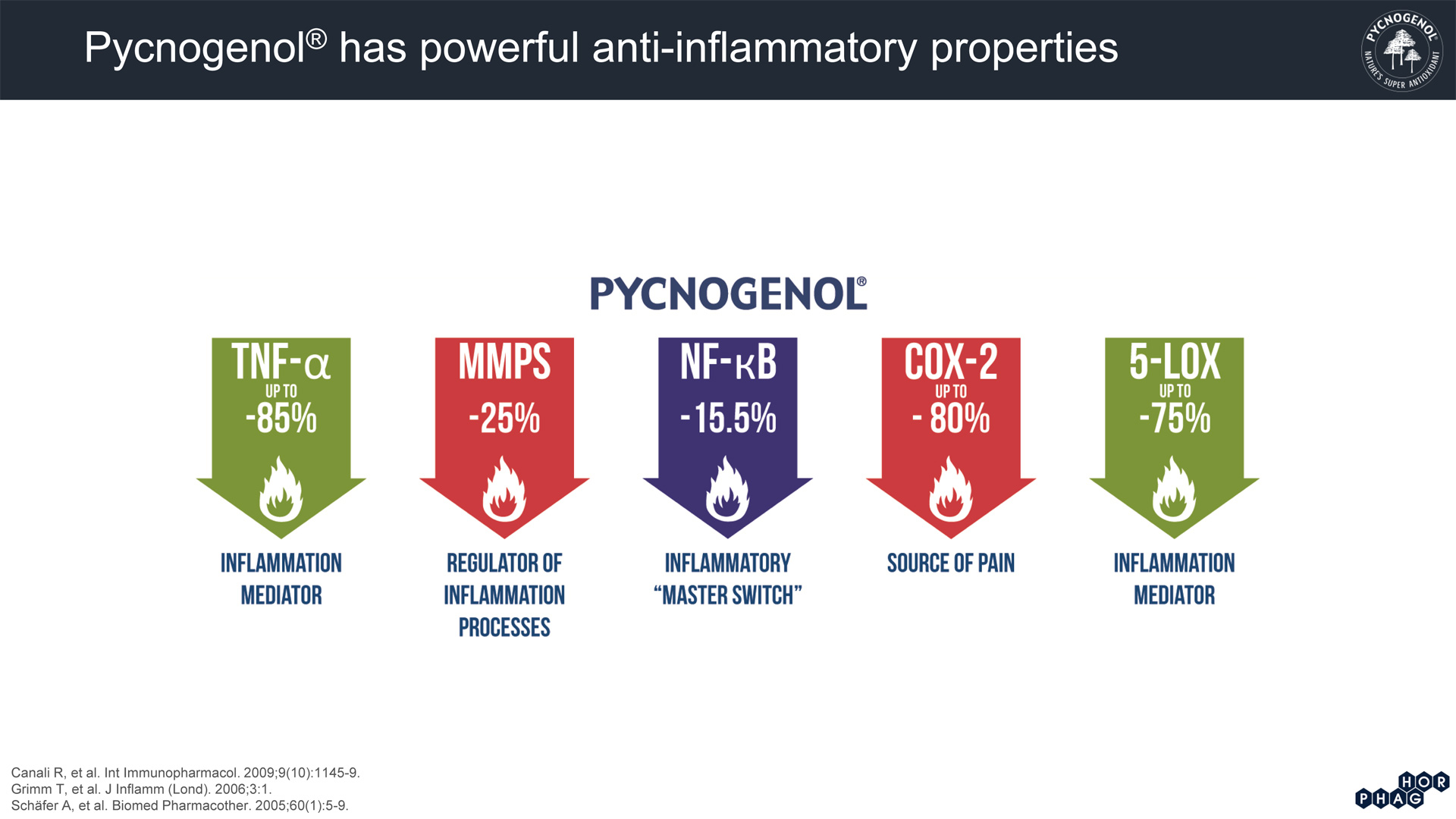
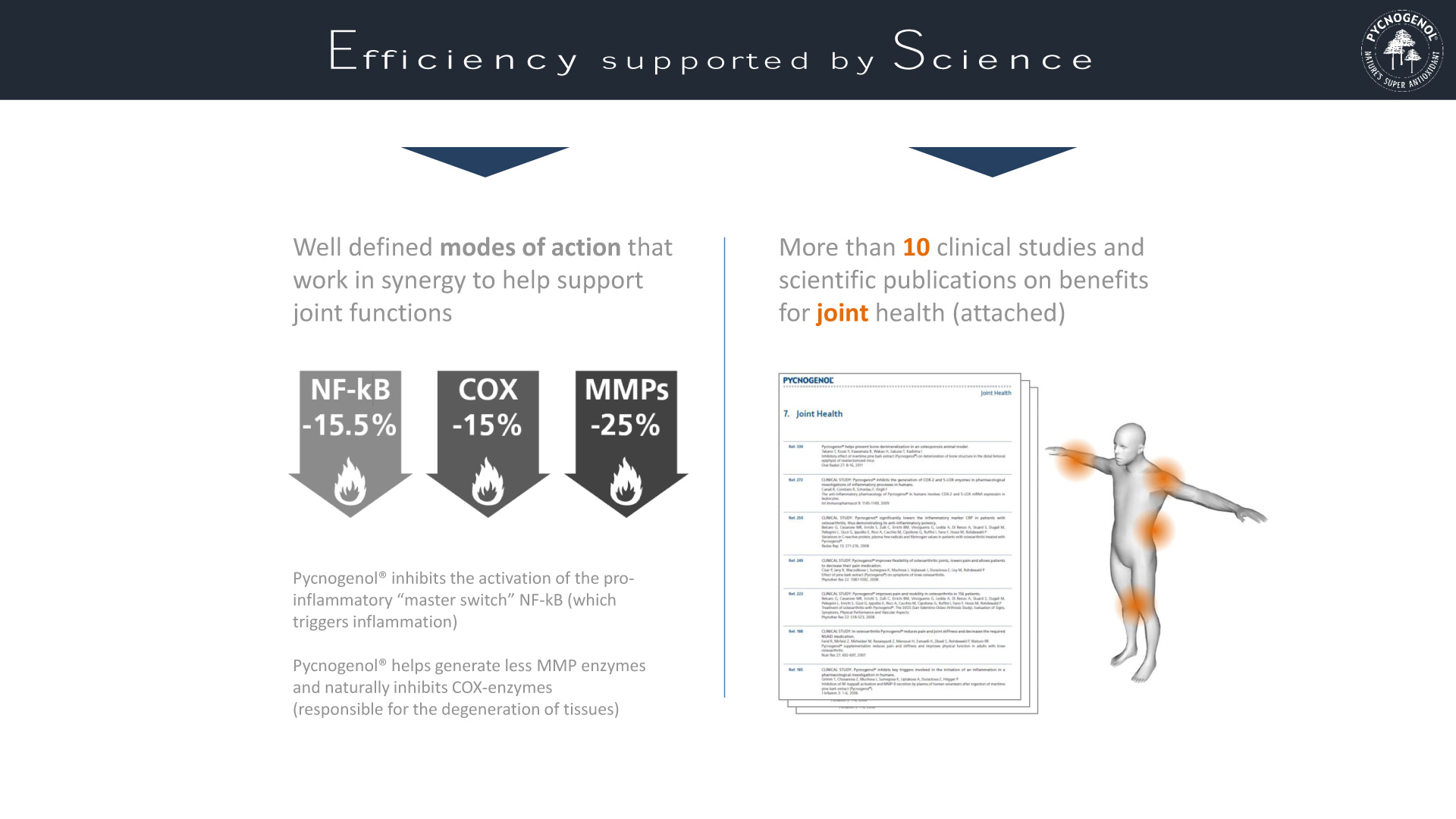
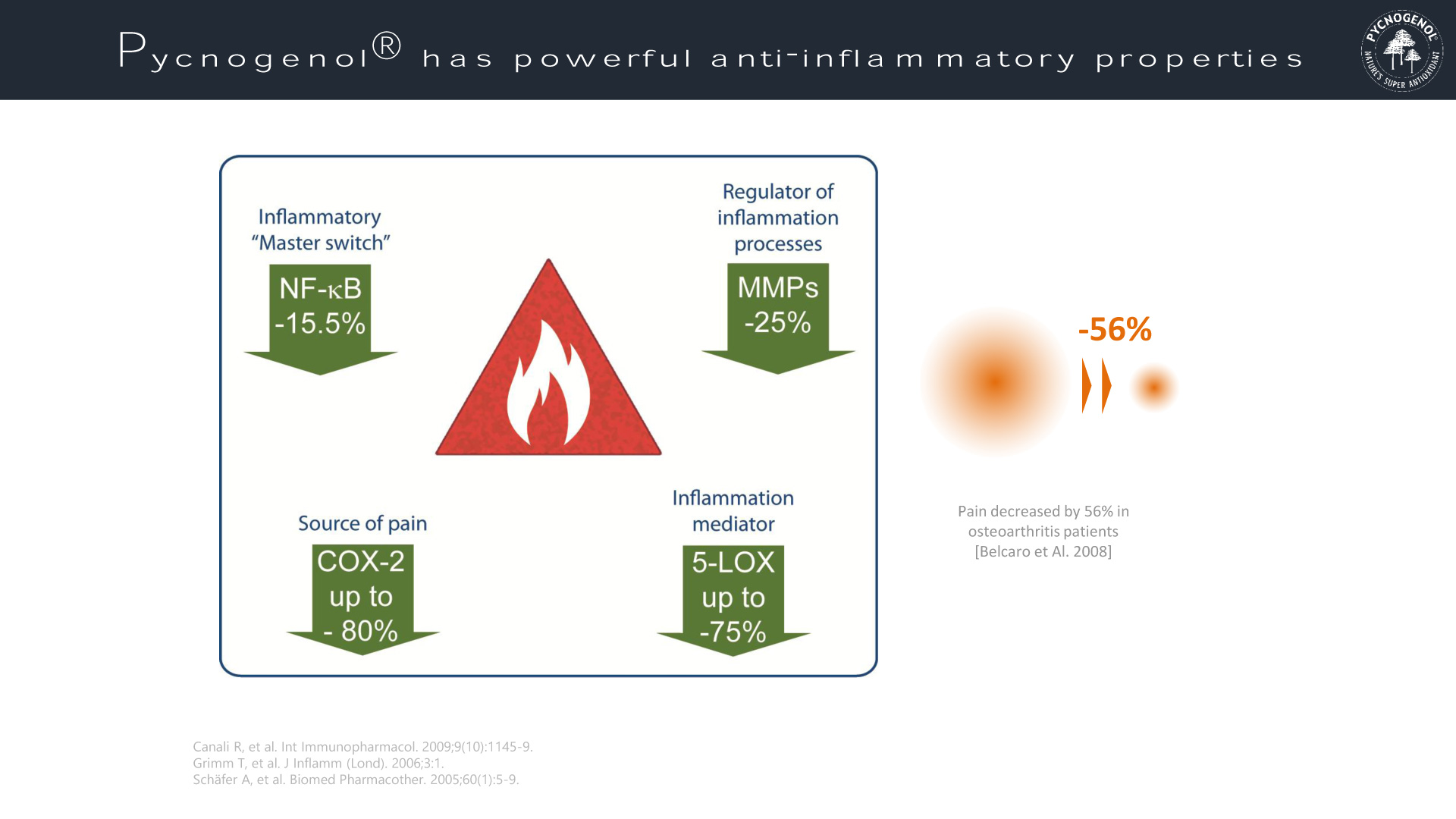
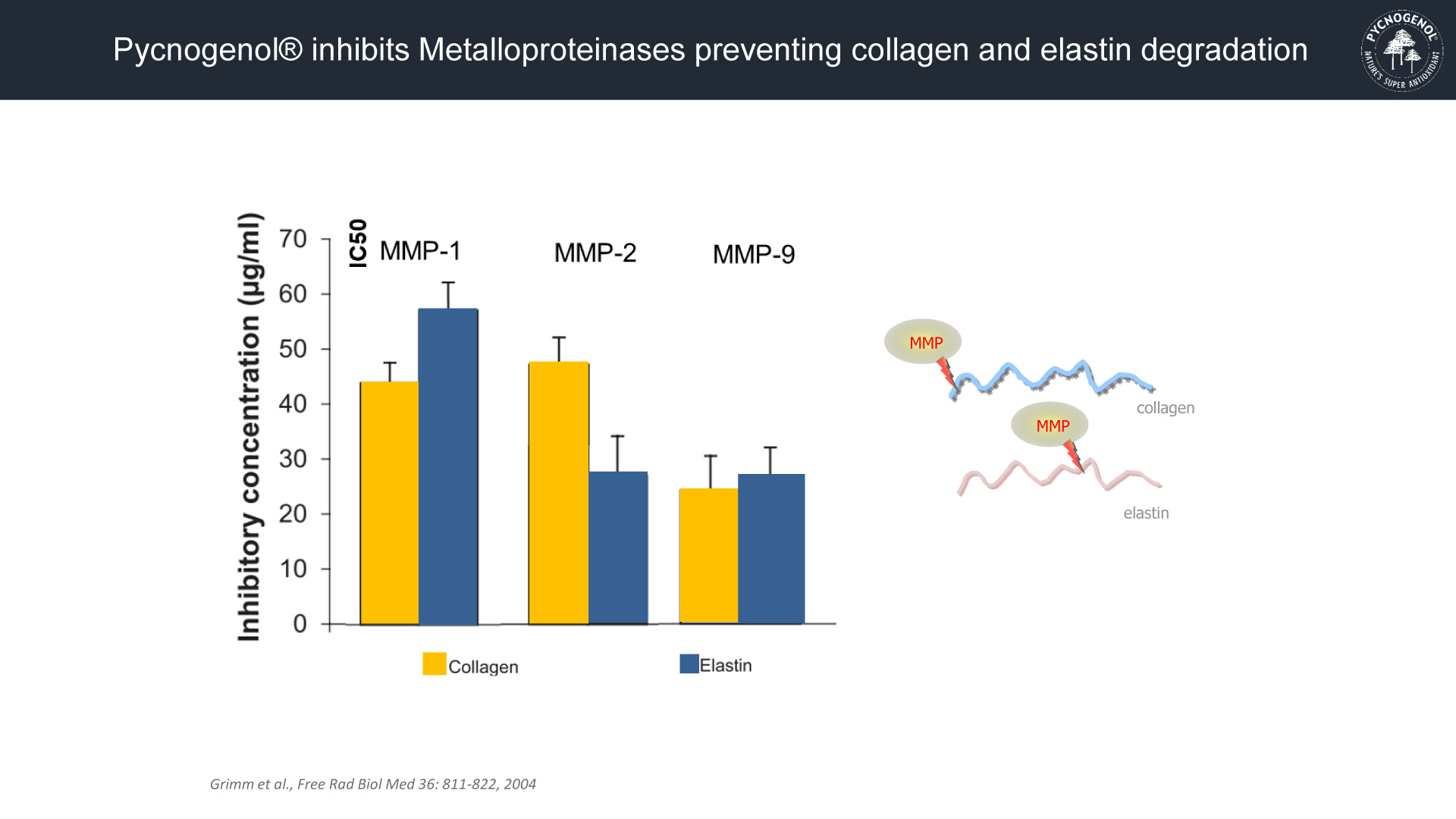
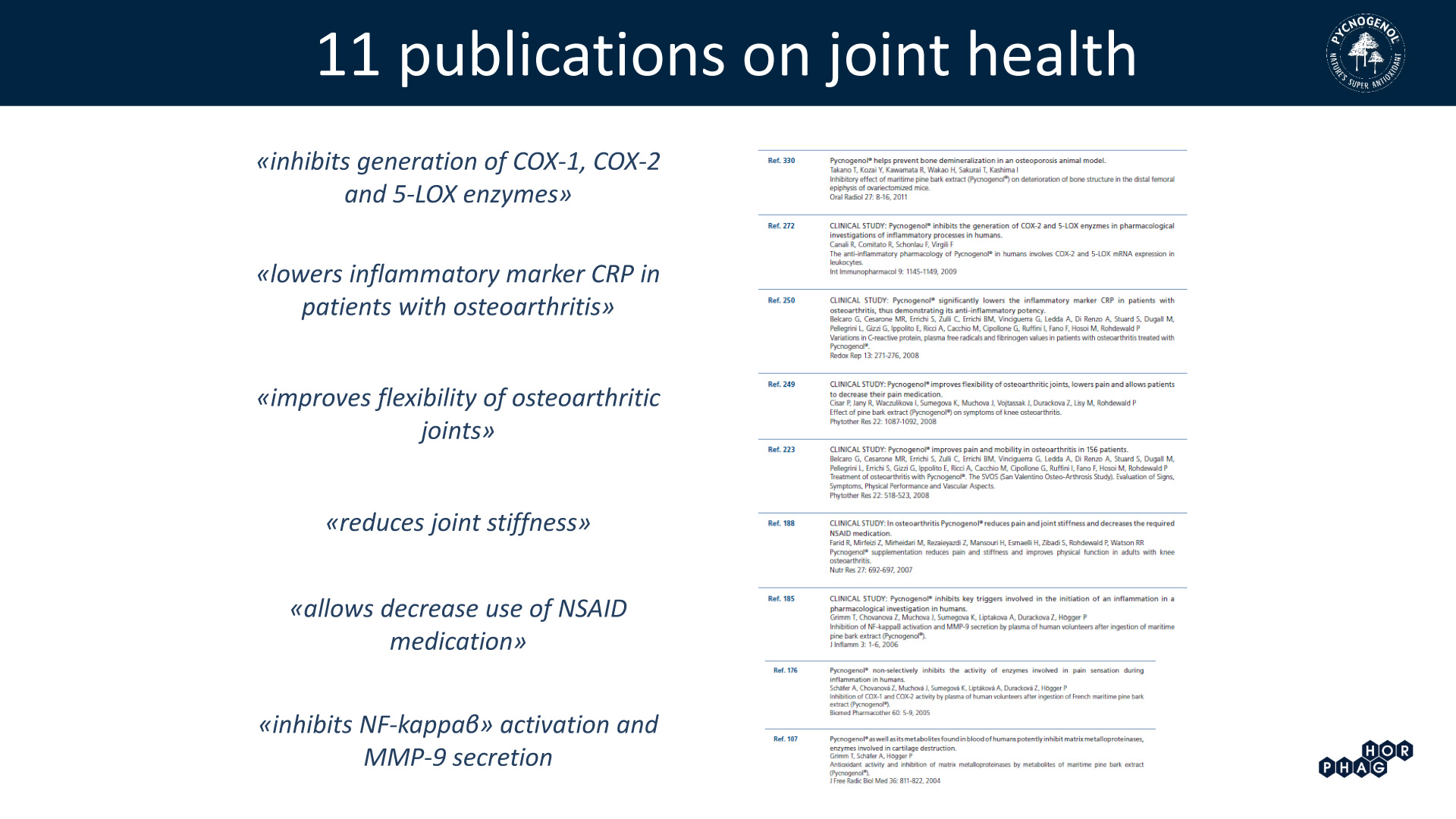
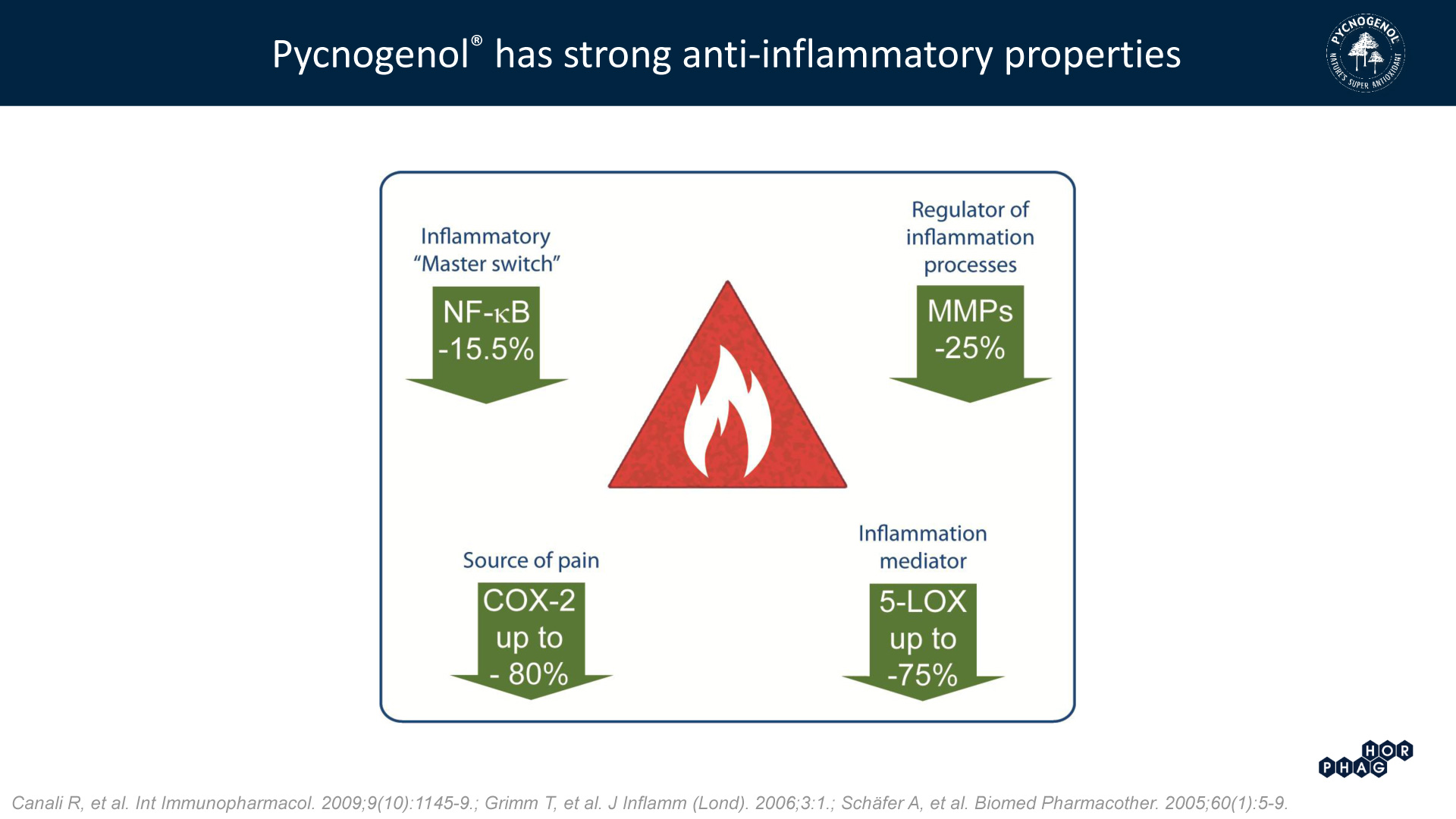
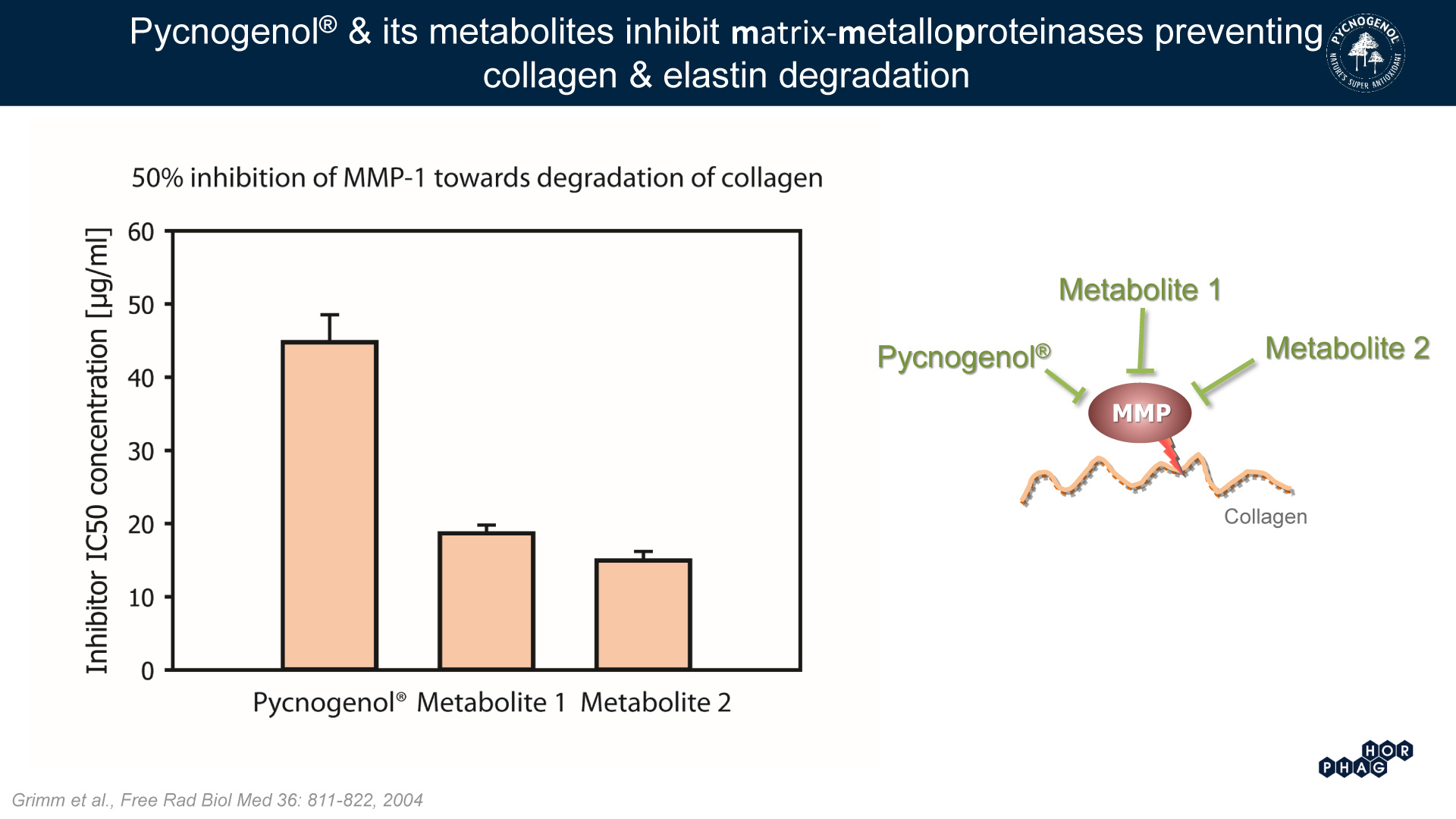
- Support for normal joint function through synergistic mechanisms of action (Pycnogenol®) — inhibition of the pro-inflammatory “master switch” NF-κB (-15.5%), reduction of COX enzymes (up to -80% for COX-2) and 5-LOX (up to -75%), and reduction of MMP enzymes (-25%) associated with tissue degradation
- Documented in over 10 clinical studies and scientific publications for joint health (Pycnogenol®)
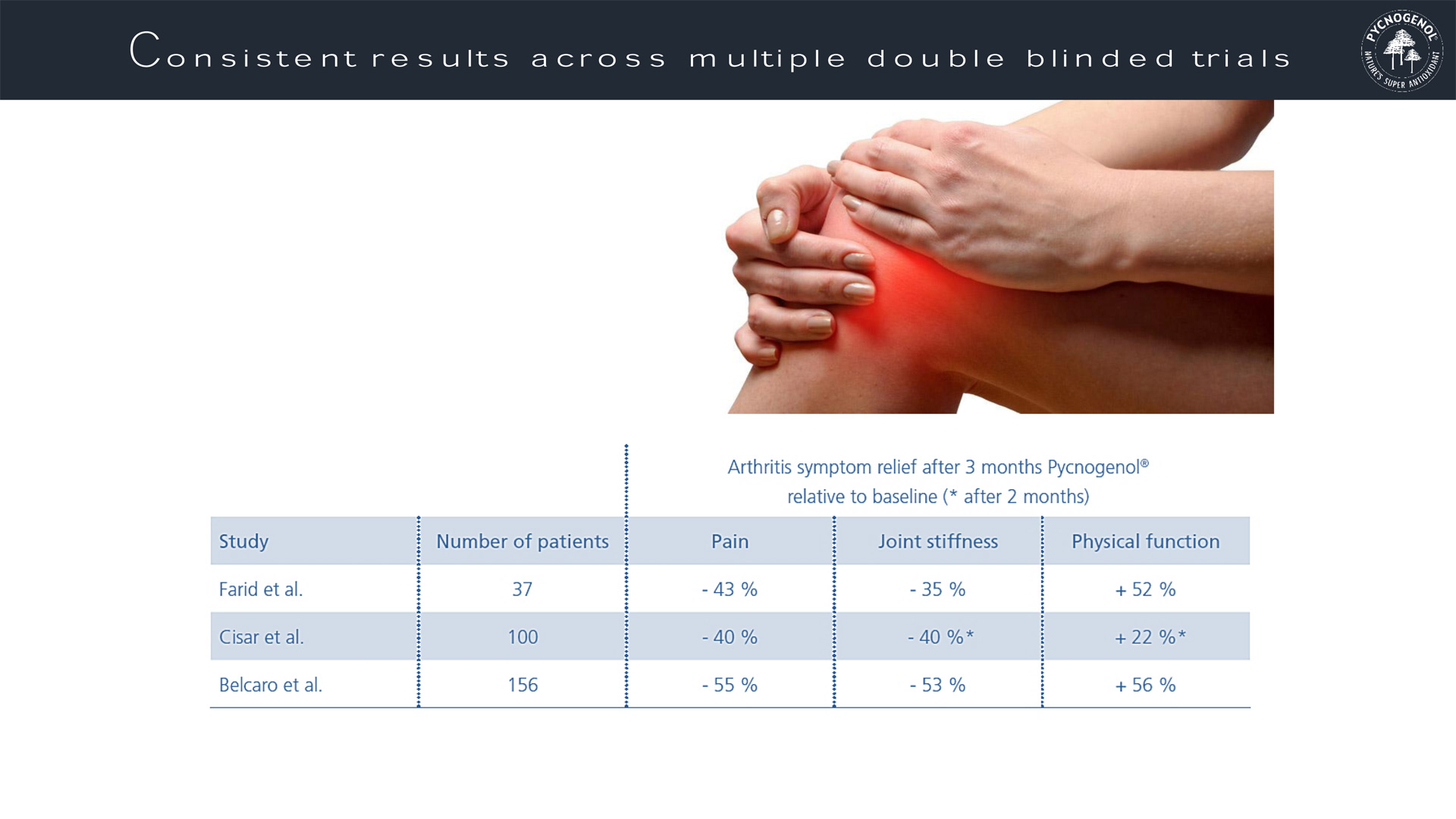
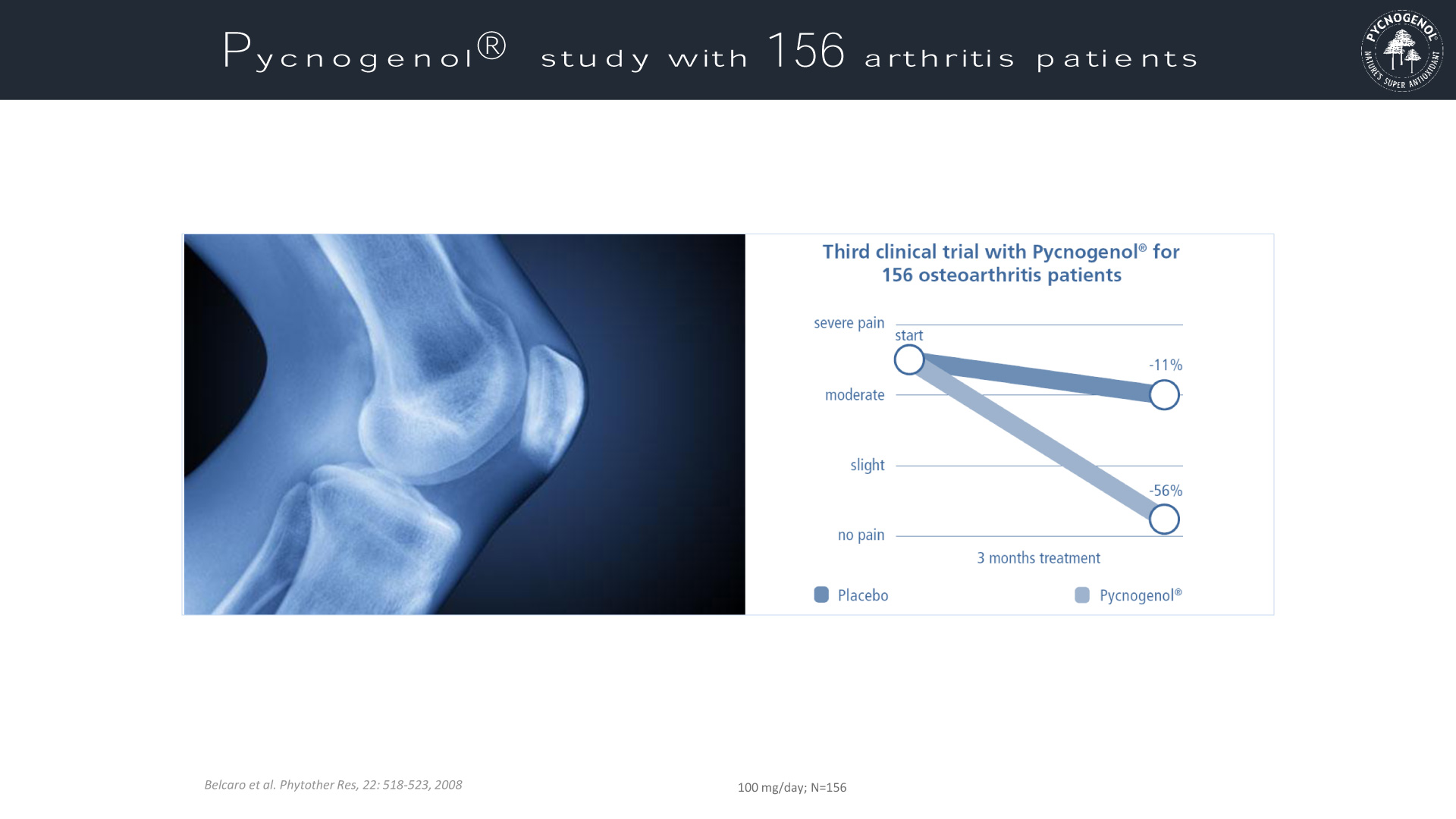
- Support for comfort and functionality in osteoarthritis — 56% pain reduction in osteoarthritis patients (Pycnogenol®) — Belcaro et al. 2008 study
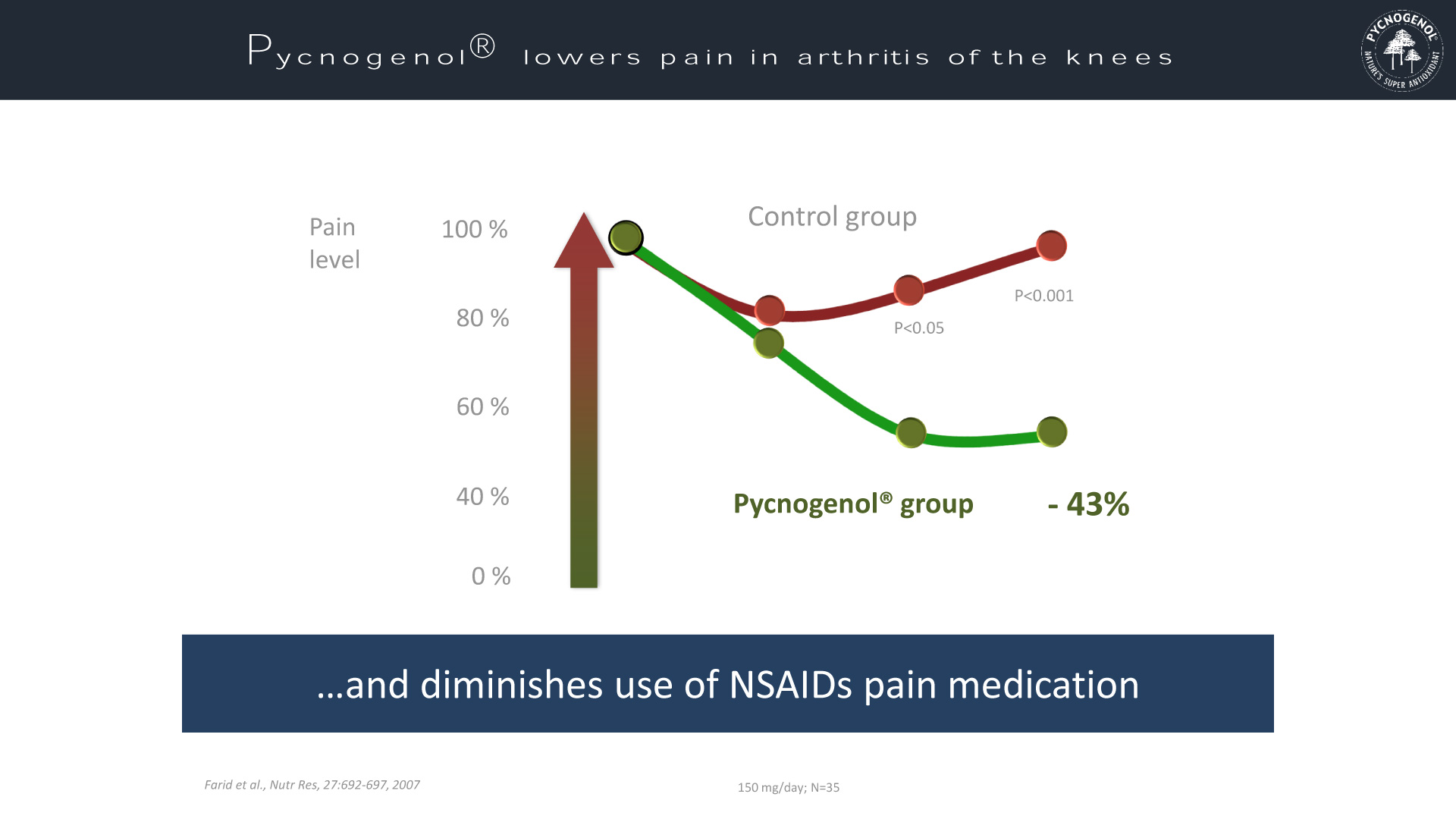
- Support for a 43% reduction in knee arthritis pain compared to the control group, alongside reduced NSAID use (Pycnogenol®) — Farid et al. 2007 study, 150mg/day, N=35
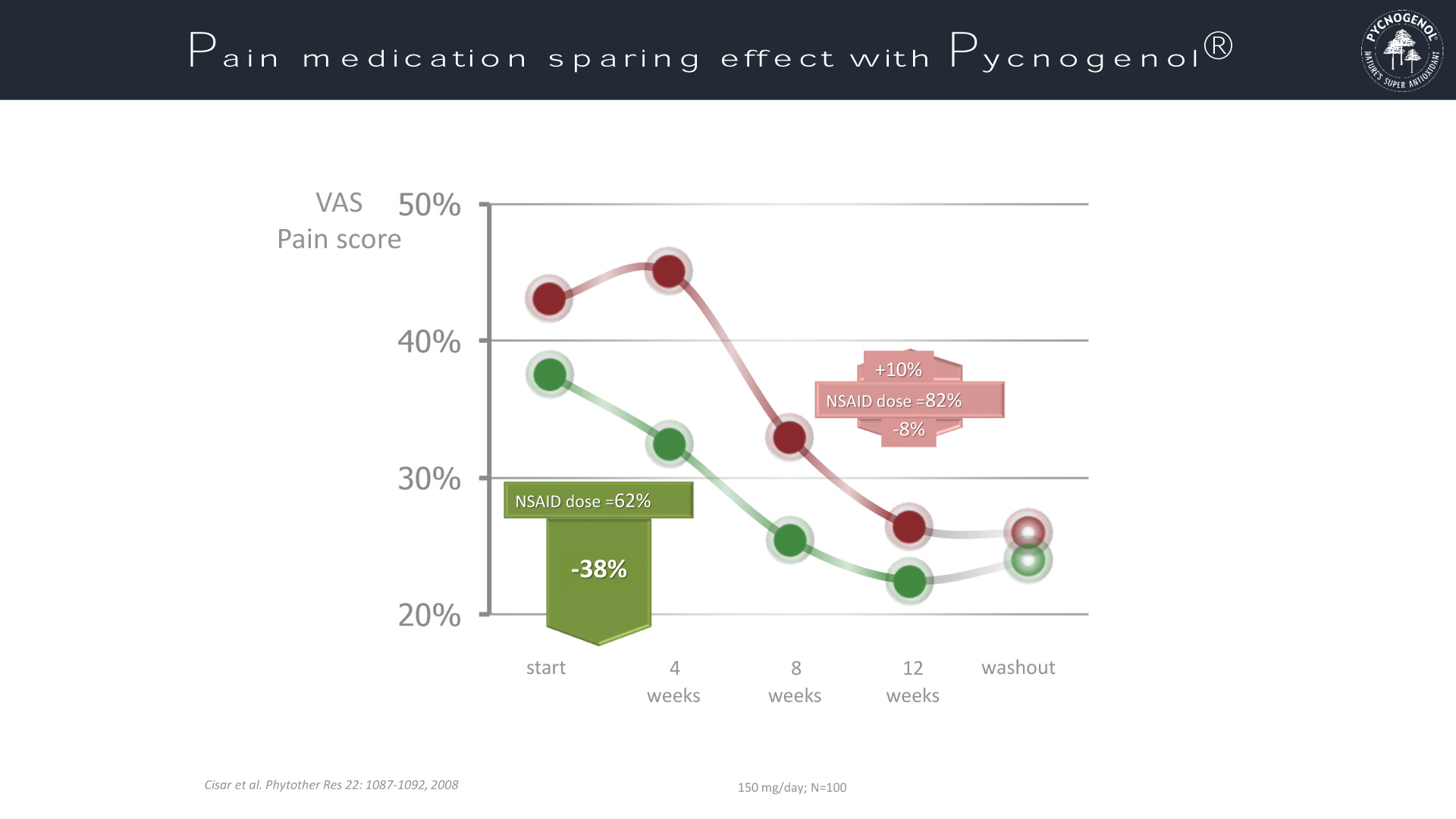
- Supports reduced use of painkillers/NSAIDs — 38% reduction in NSAID dosage in the Pycnogenol® group versus an increase in the control group (Pycnogenol®) — Cisar et al. study 2008, 150mg/day, N=100
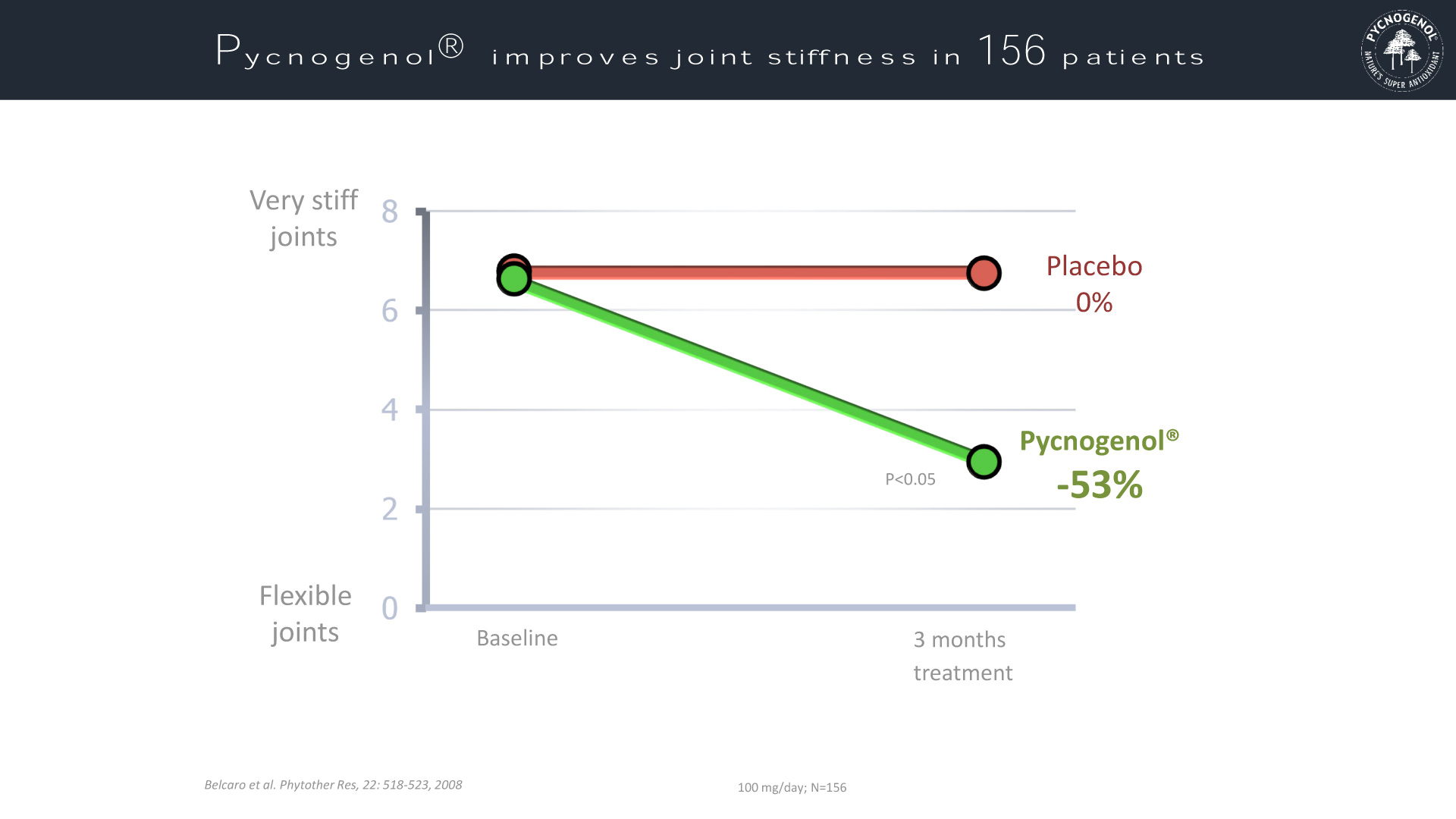
- Supports improved flexibility and reduced joint pain and stiffness in 156 patients with osteoarthritis (pain -55%, stiffness -53%, physical function +56%) (Pycnogenol®) — Belcaro et al. study 2008, 100mg/day, N=156
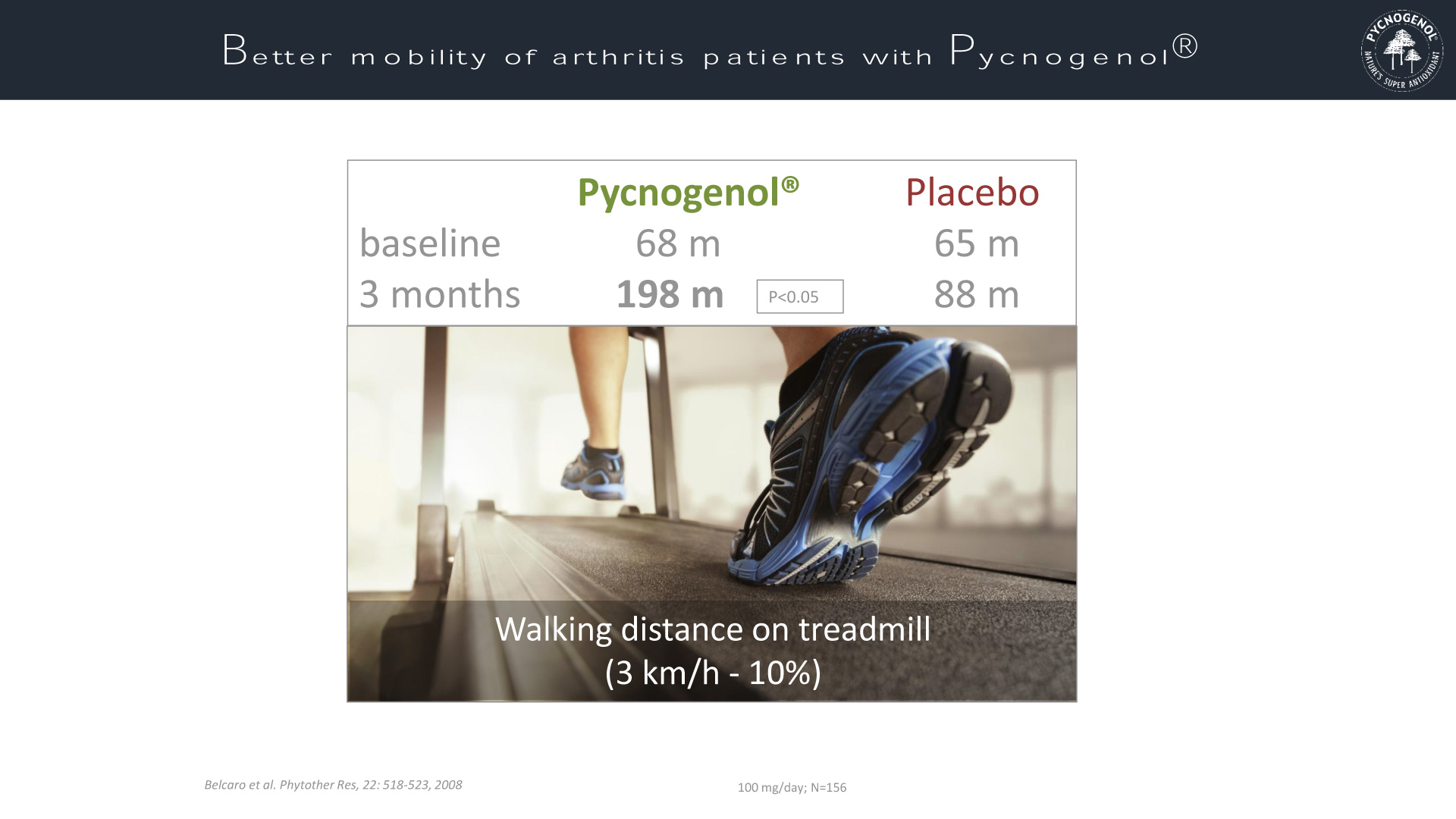
- Supports improved mobility — increase in walking distance on treadmill test from 68m to 198m versus 65m→88m in the control group (Pycnogenol®)
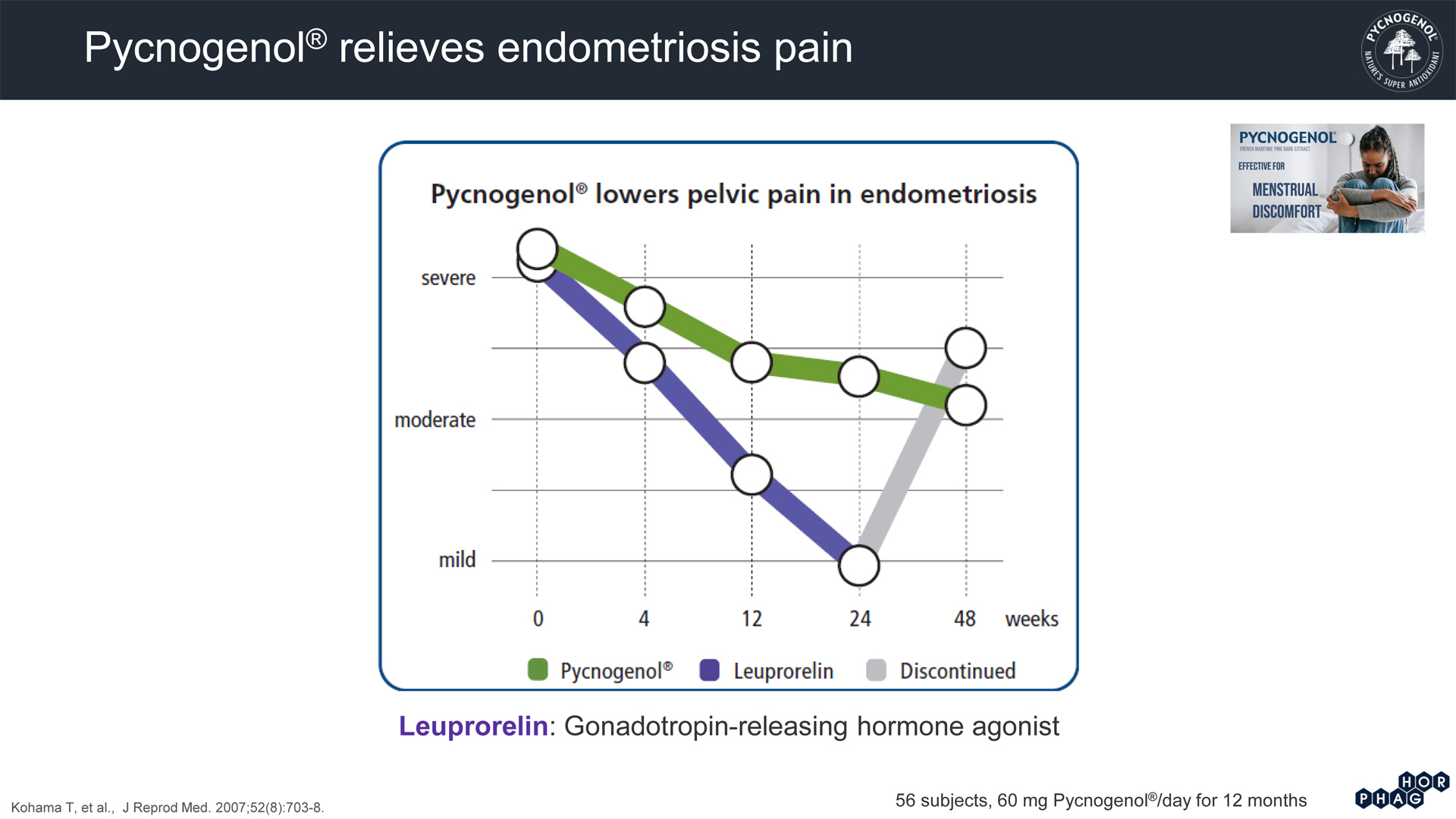
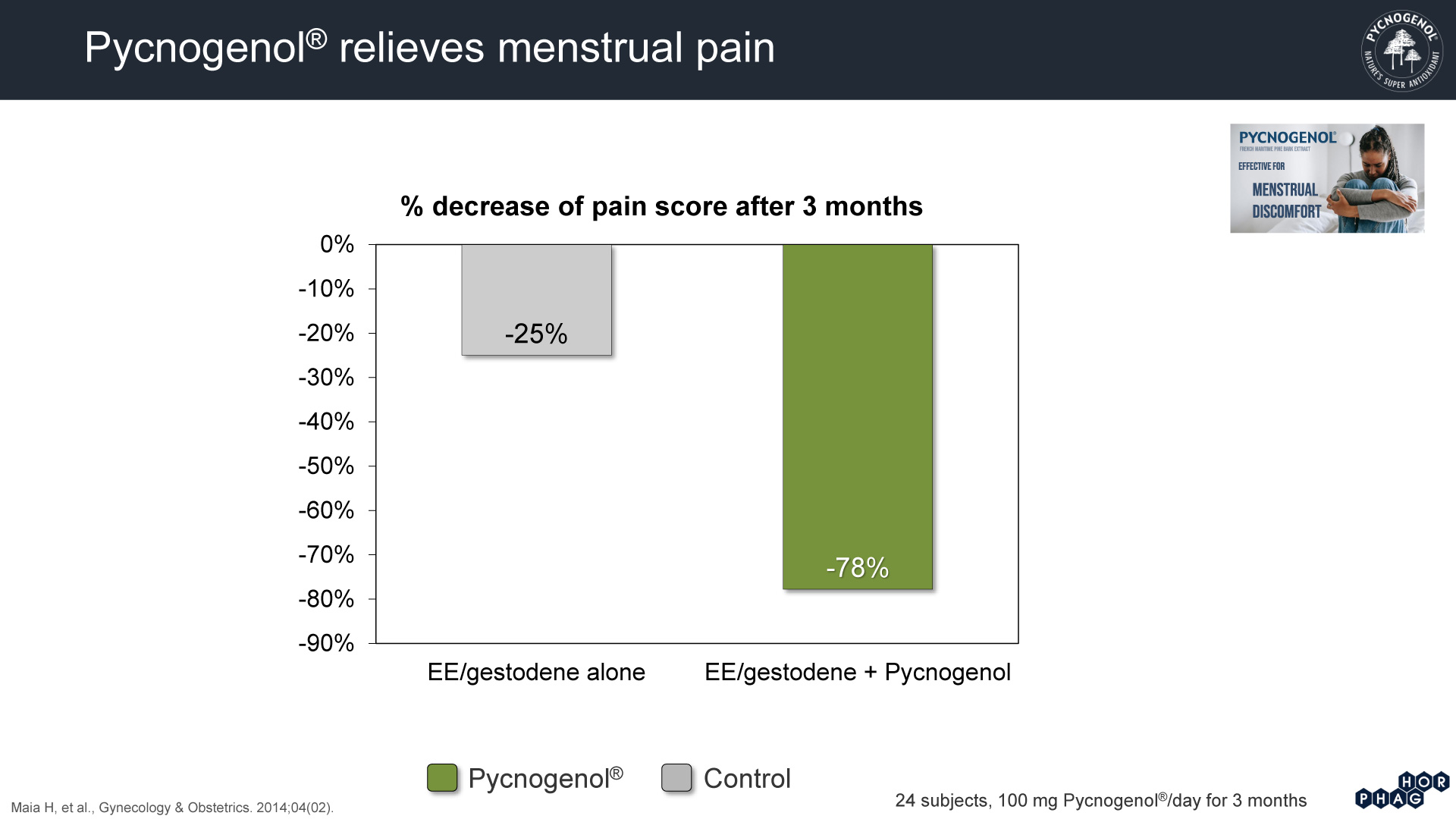
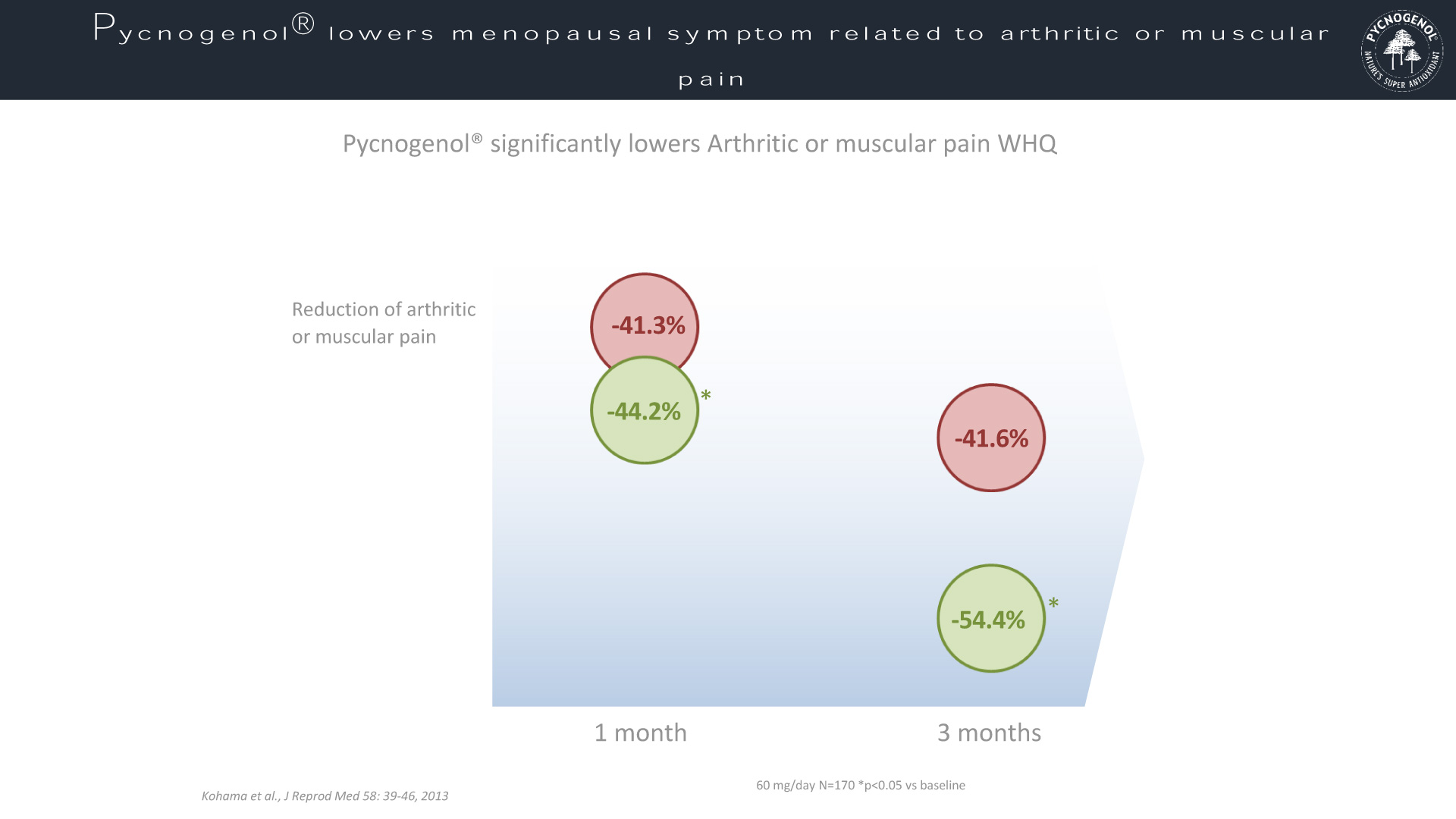
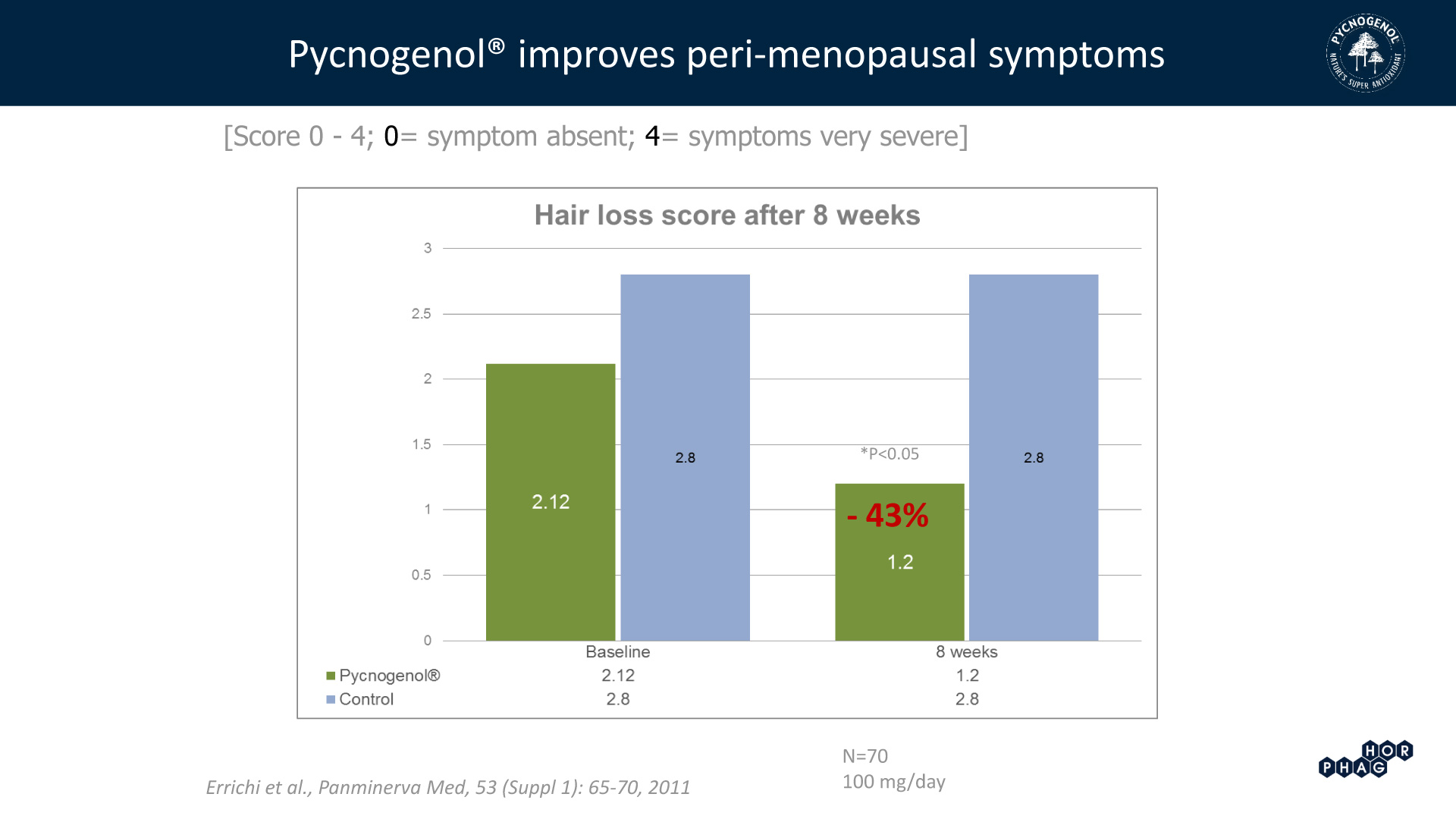
- Supports reduction of pain and stiffness associated with arthritis/myalgia during perimenopause (-44.2% at 1 month, -54.4% at 3 months) (Pycnogenol®) — Kohama et al. study 2013, 60mg/day, N=170
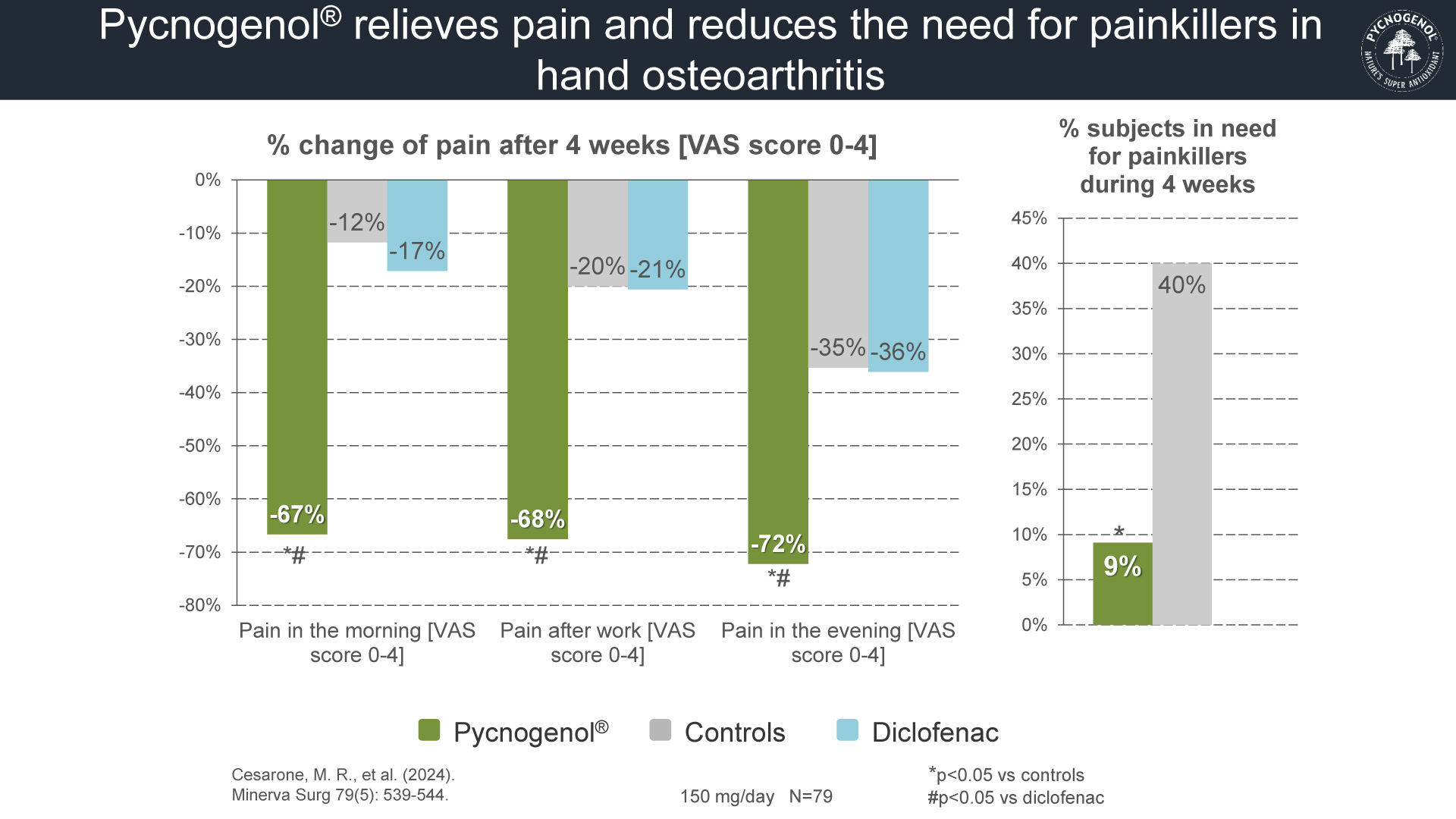
- Support for comfort in hand osteoarthritis — pain reduction of up to 72% (morning/after work/evening); only 9% of participants required painkillers (vs. 40% in the control group) (Pycnogenol®) — Cesarone et al. study 2024, 150mg/day, N=79
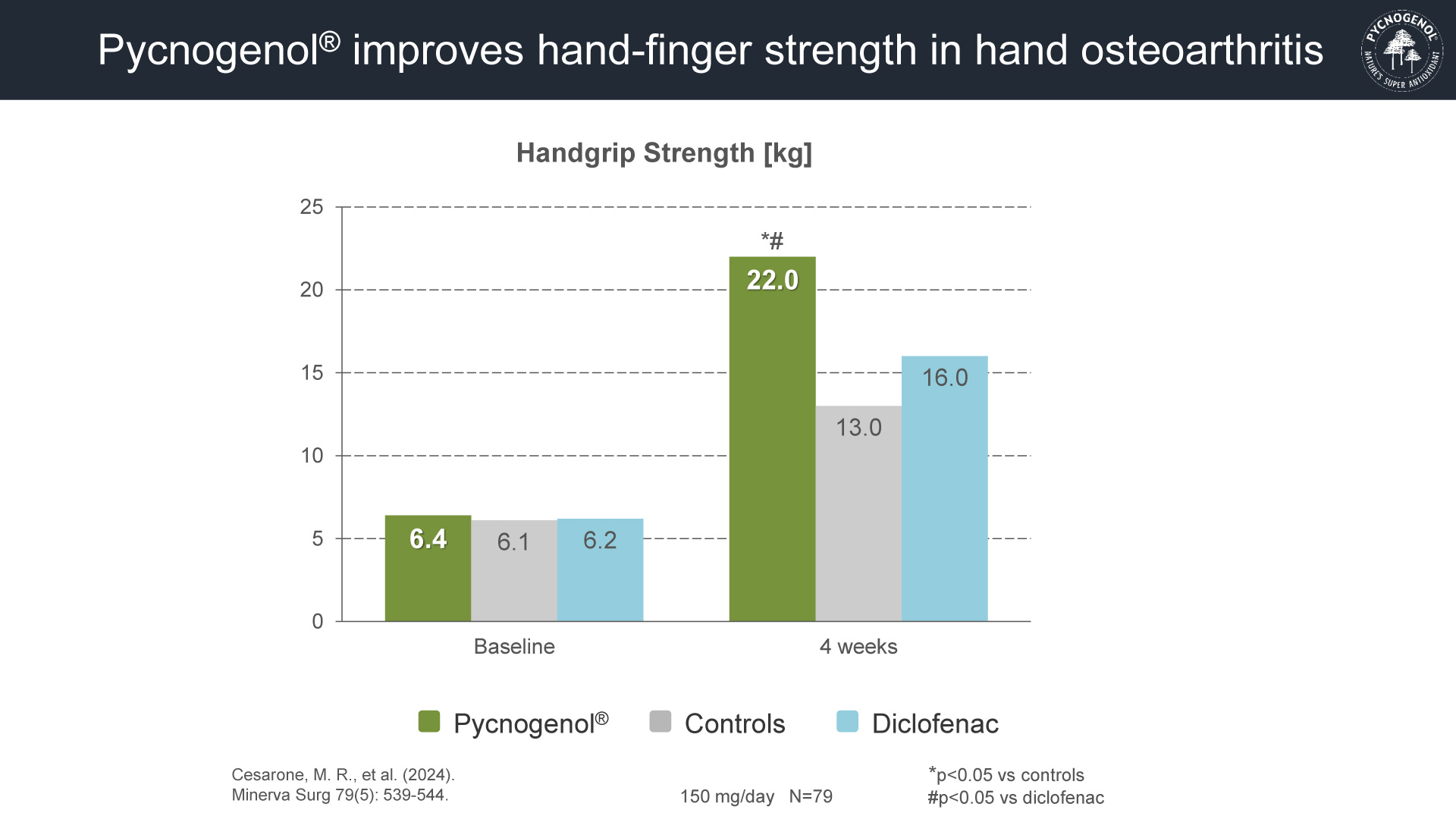
- Support for hand/grip strength in hand osteoarthritis — increase from 6.4kg to 22.0kg; superior to control group (13.0kg) and diclofenac (16.0kg) (Pycnogenol®)
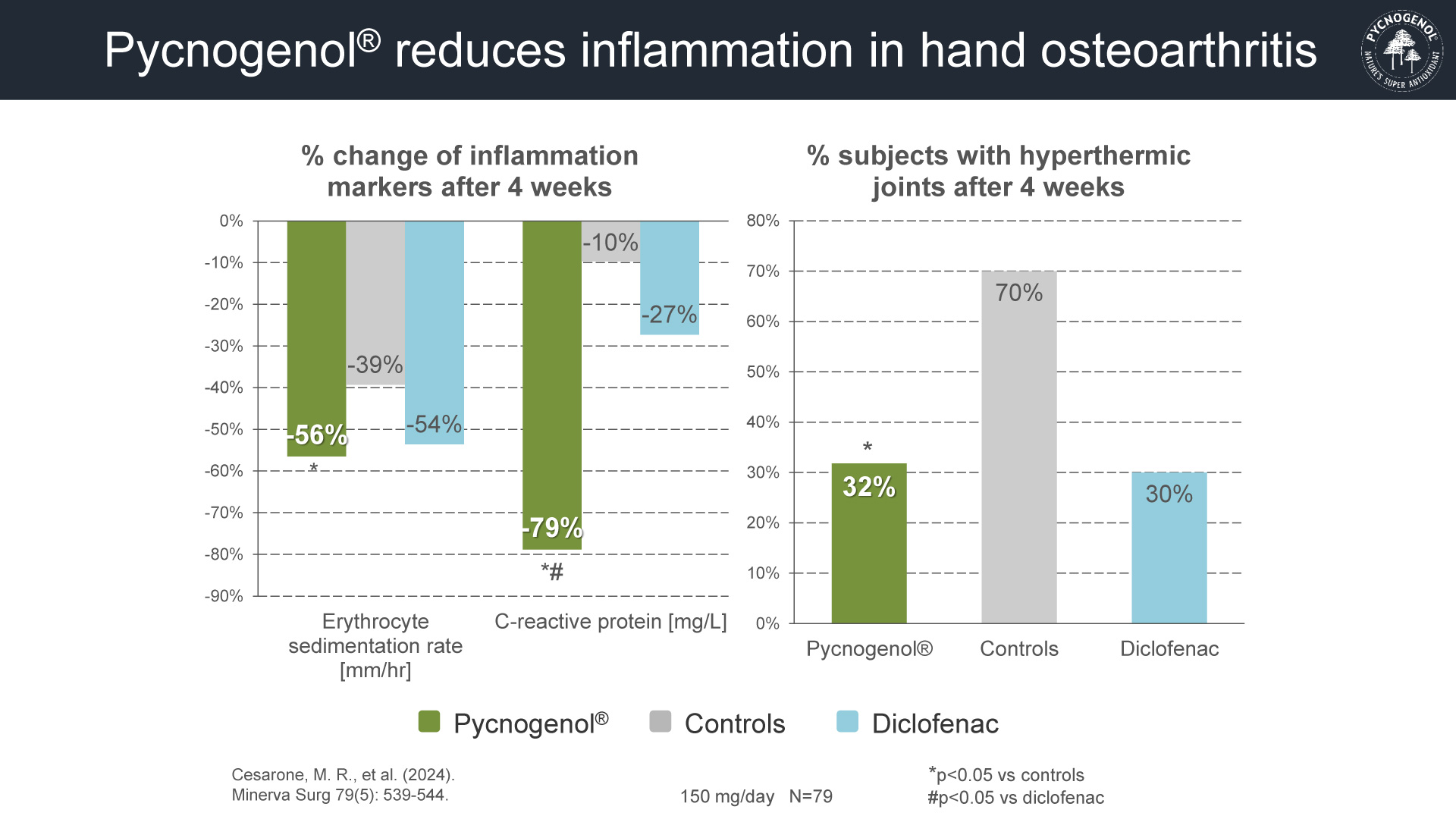
- Support for the reduction of joint inflammation markers — reduction in erythrocyte sedimentation rate (-56%) and C-reactive protein (CRP) (-79%); fewer joints showing localized heat (32% vs. 70% in the control group) (Pycnogenol®)
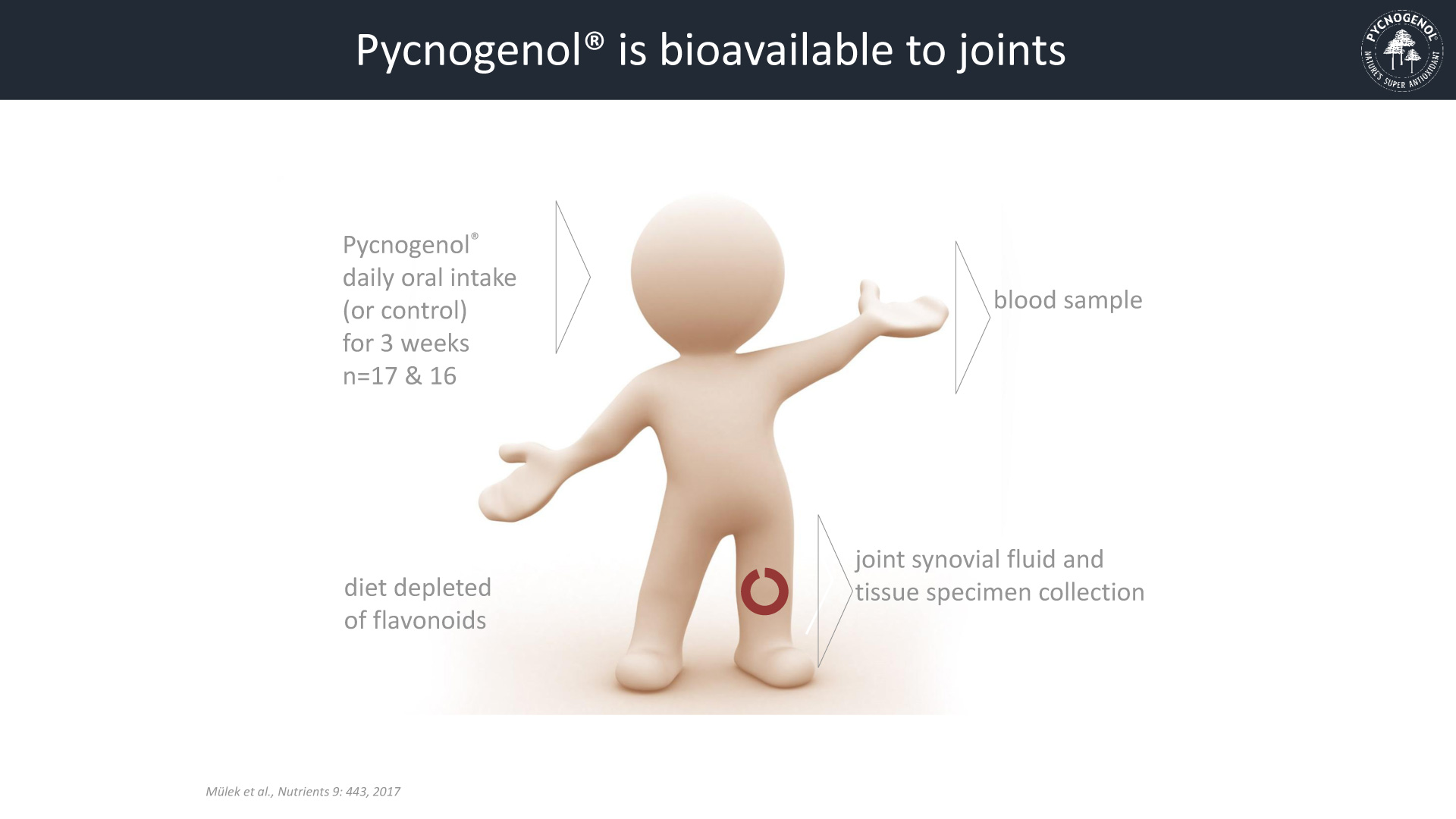
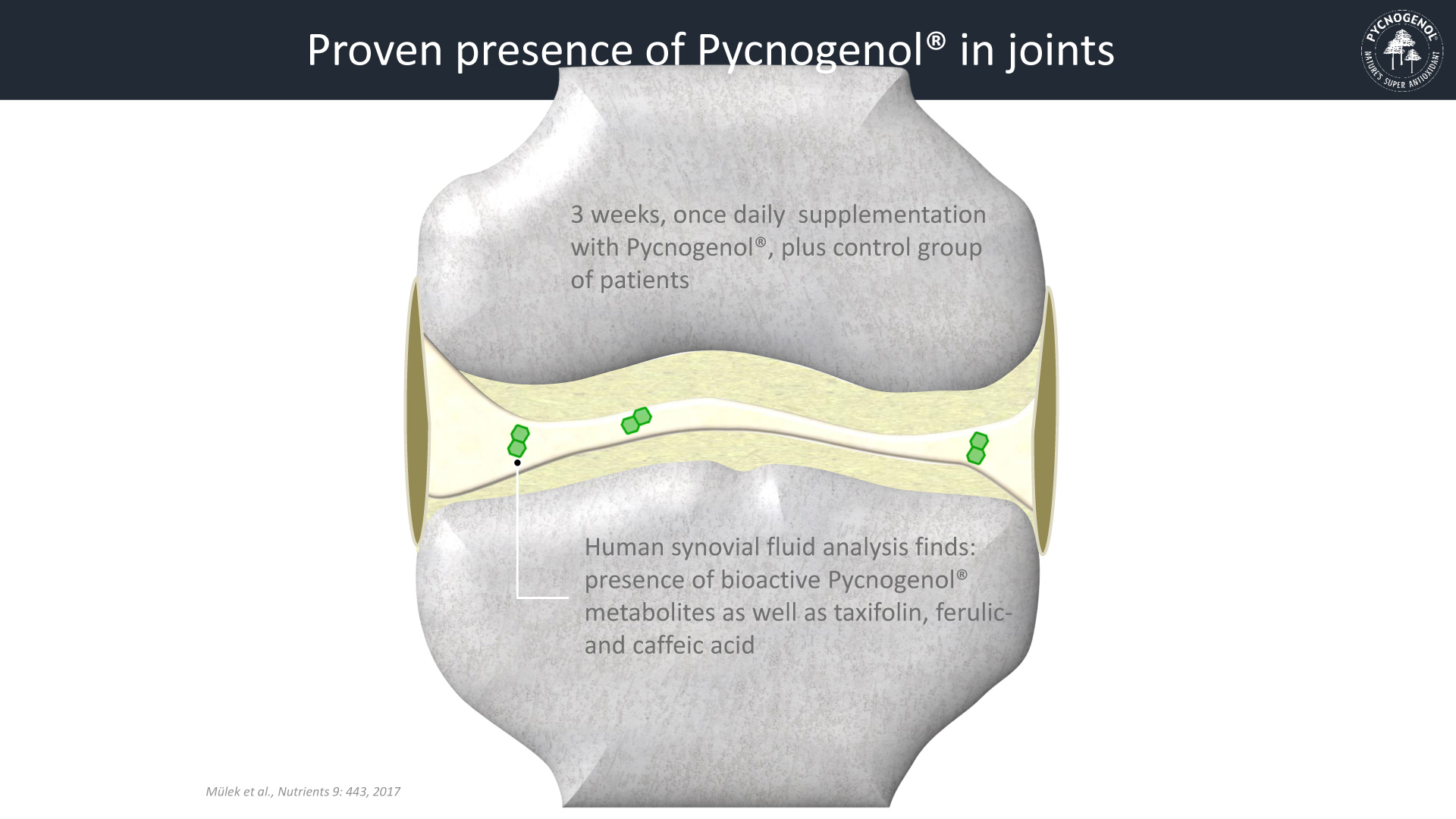
- Documented bioavailability in joints — detection of Pycnogenol® bioactive metabolites (taxifolin, ferulic acid, and caffeic acid) in synovial fluid after 3 weeks of administration (Pycnogenol®) — Mülek et al. study 2017
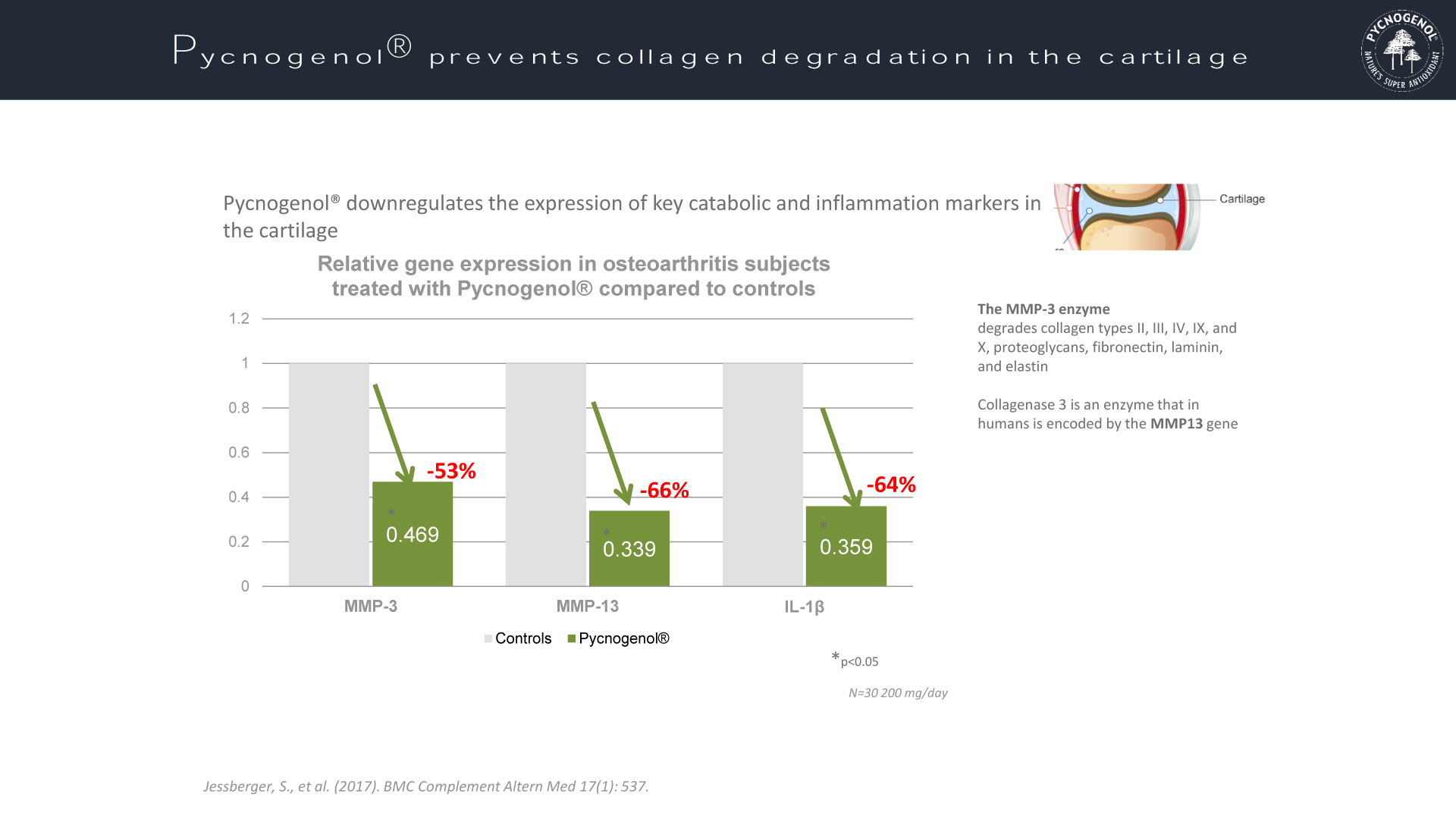
- Support for protecting cartilage against degradation — reduction in the gene expression of catabolic/inflammatory markers MMP-3 (-53%), MMP-13 (-66%), and IL-1β (-64%) in the cartilage of patients with osteoarthritis (Pycnogenol®) — study by Jessberger et al. 2017, 200mg/day, N=30
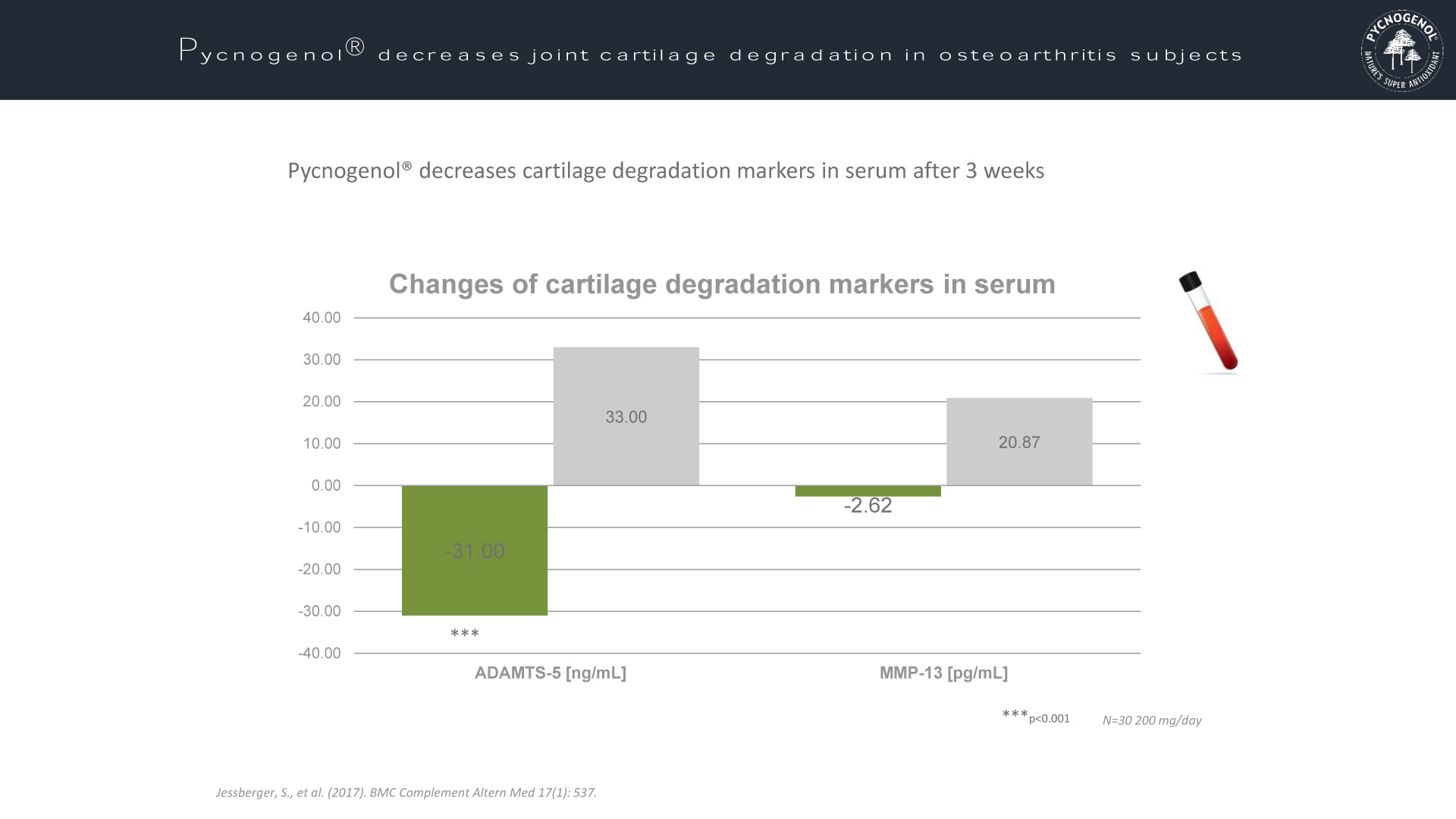
- Support for the reduction of serum cartilage degradation markers — reduction of ADAMTS-5 by 31 ng/mL and MMP-13 by 2.62 pg/mL versus an increase in the control group (Pycnogenol®)
Women’s Health
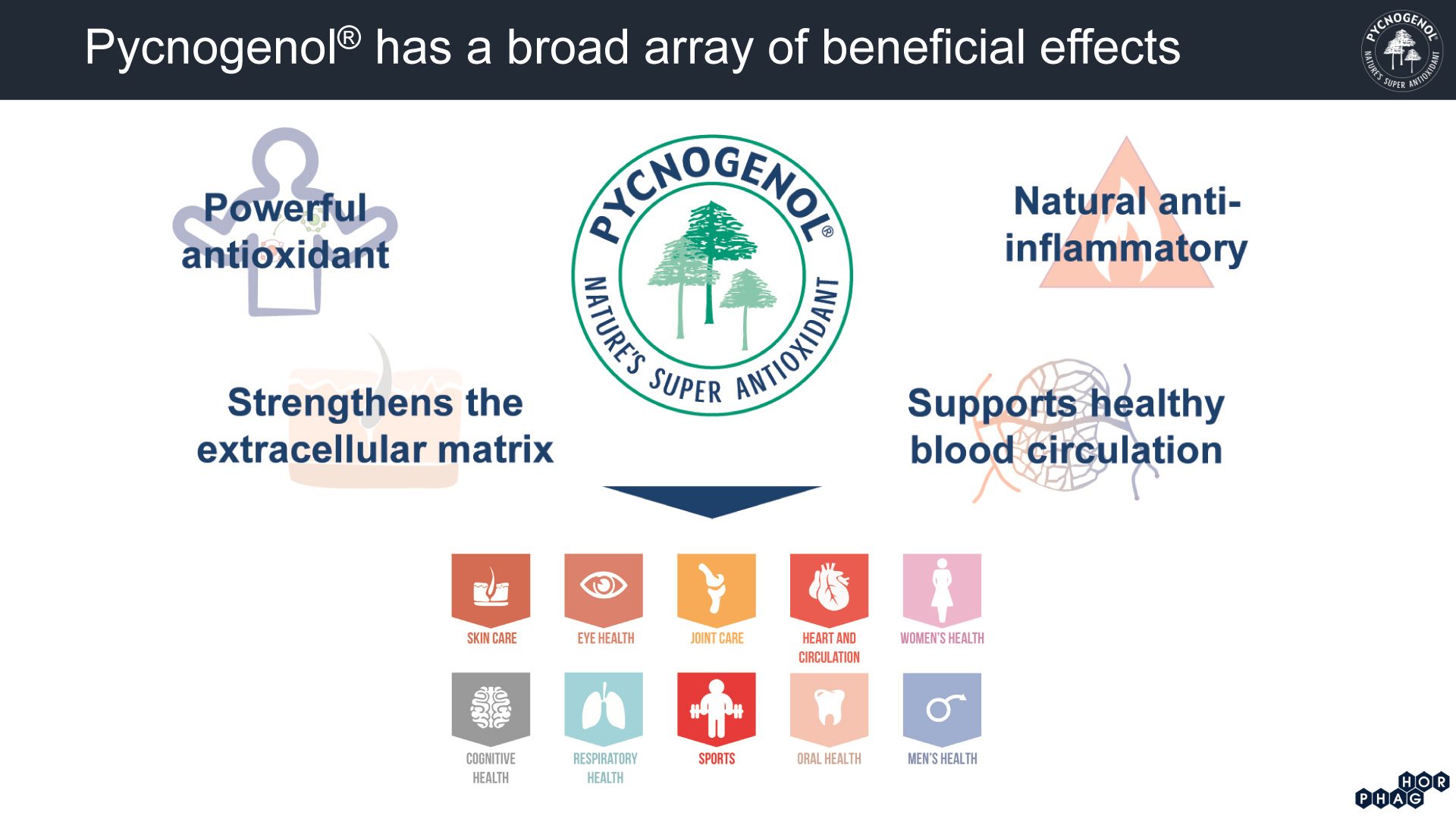
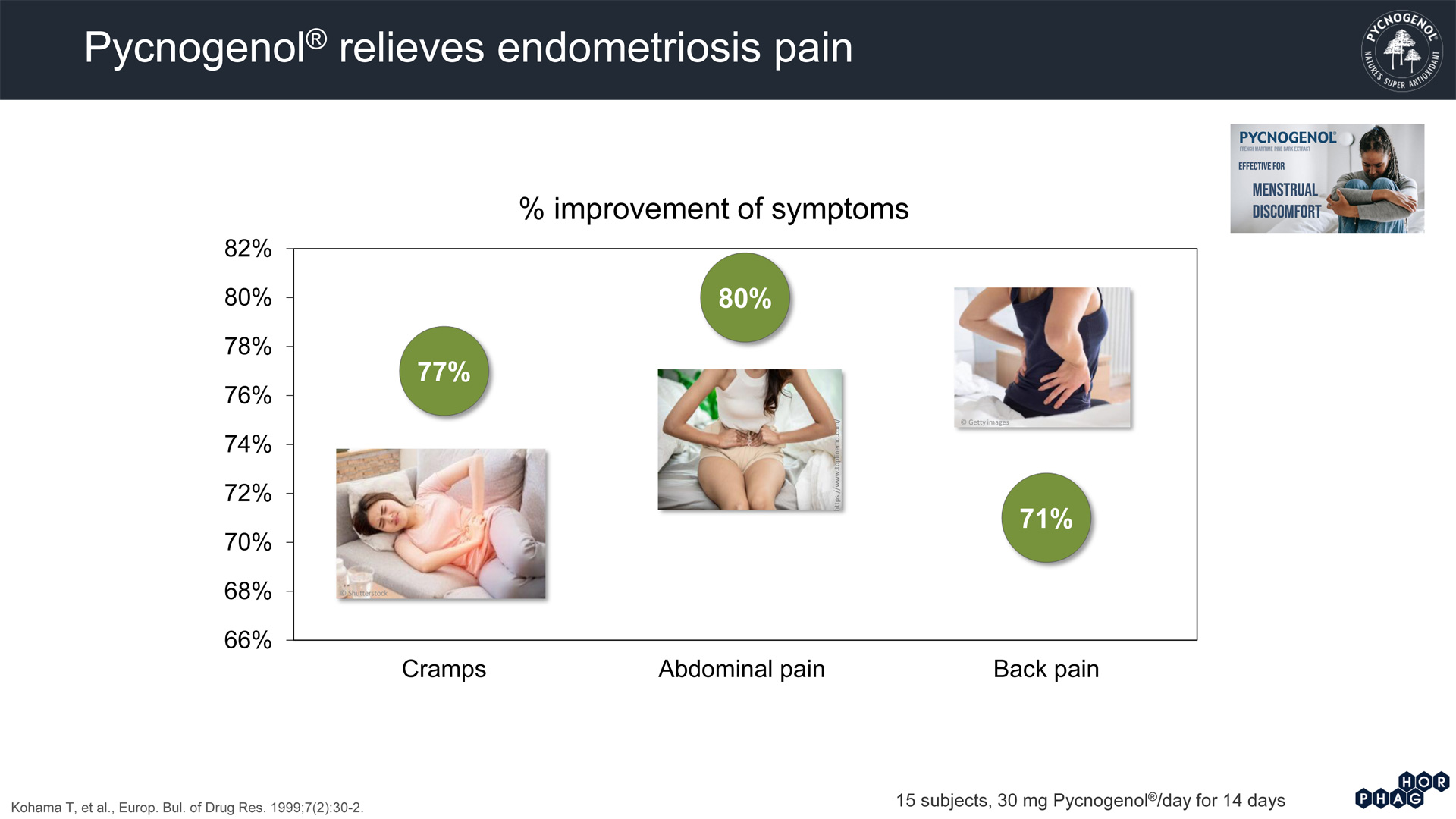
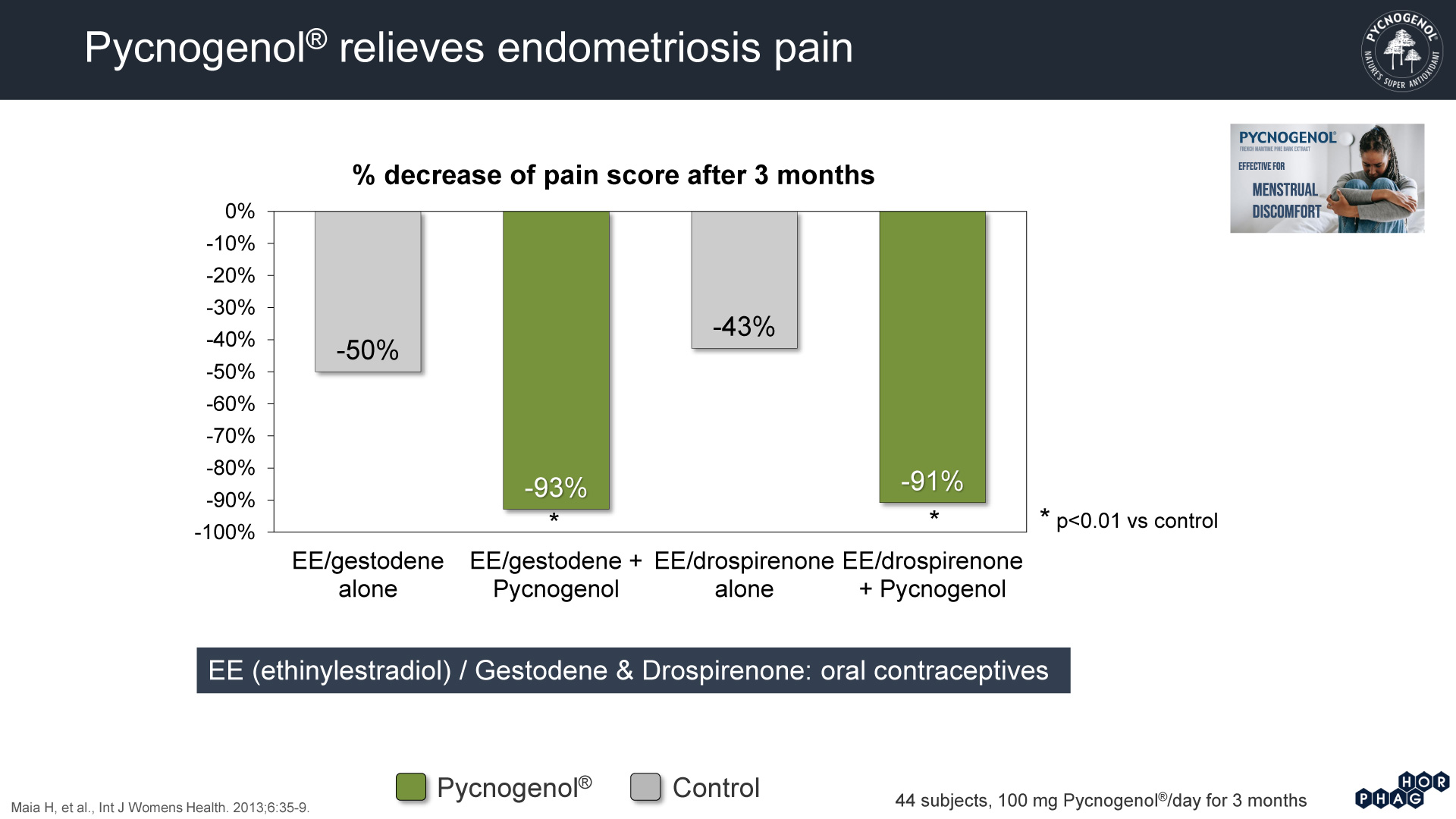
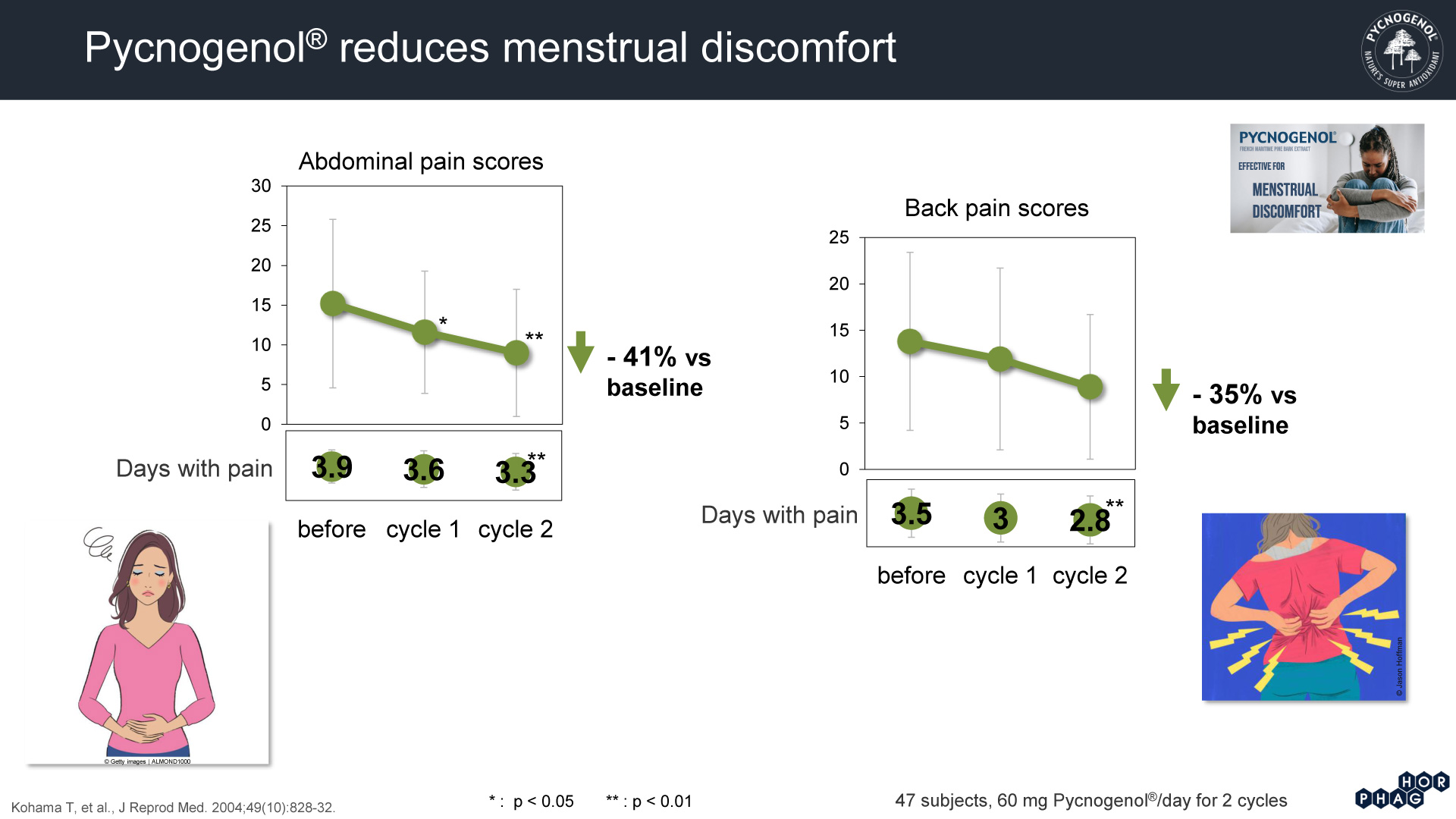
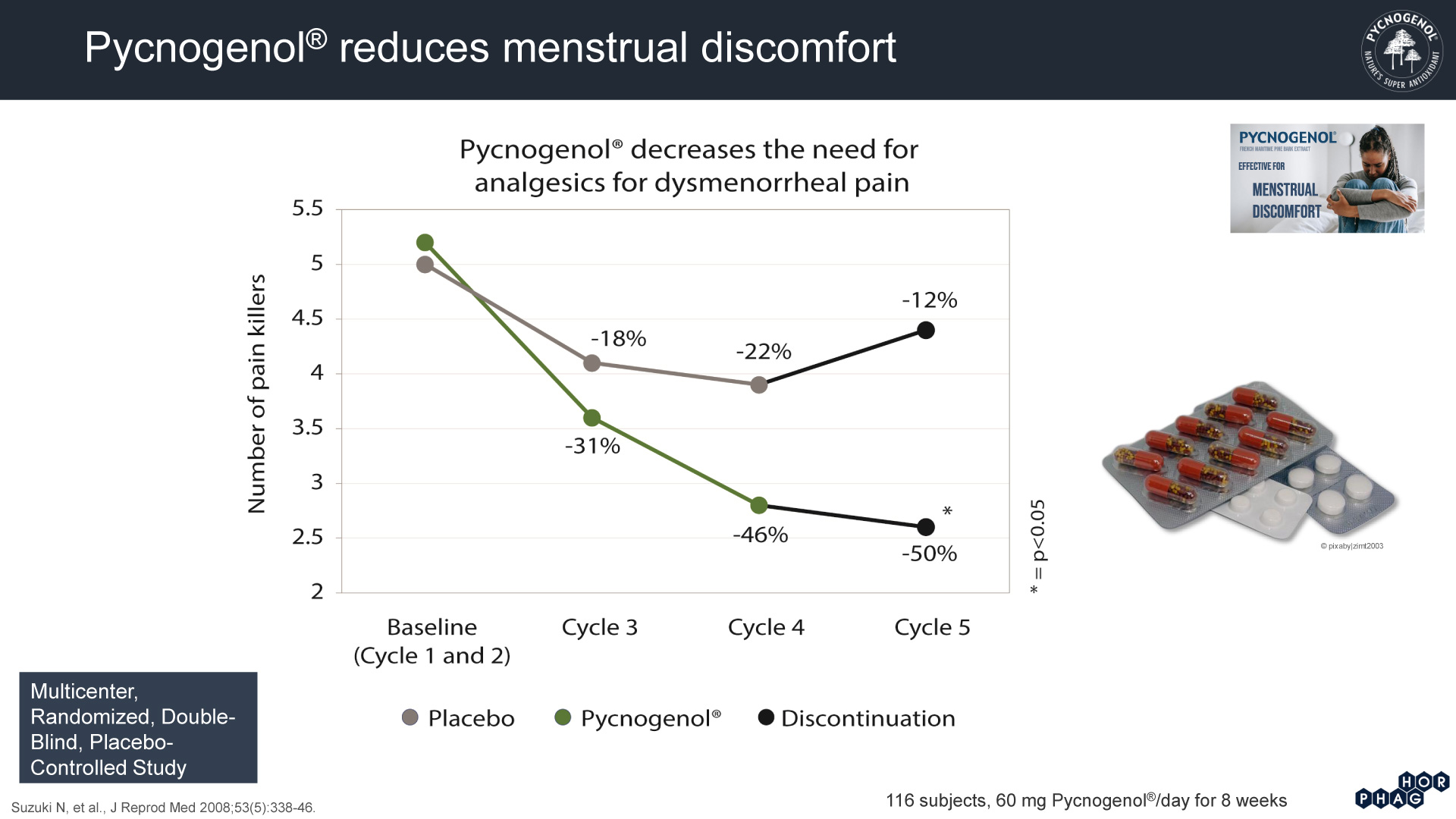
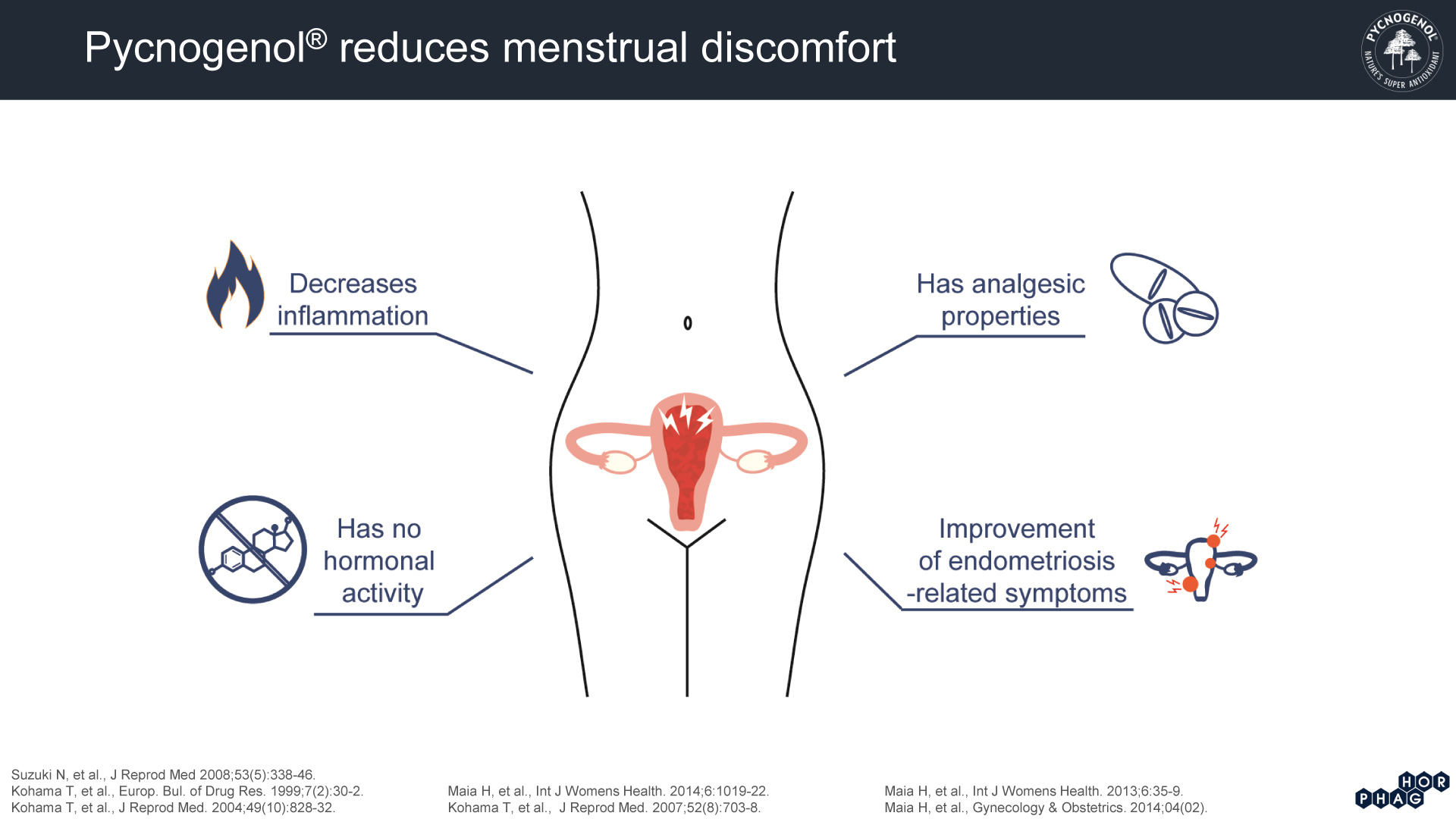
- Support for women’s health and menstrual comfort (Pycnogenol®, Mg)
- Support for normal balance during perimenopause/menopause (Pycnogenol®)
Muscles & Nervous System
- Support for normal muscle and nervous system function (Mg)
- Support for normal neuromuscular transmission (Mg)
- Support for the reduction of fatigue and exhaustion (Mg)
- Support for normal psychological function and stress management (Mg)
- Support for restful sleep and relaxation (Mg)
Metabolism & Energy
- Support for normal DNA, RNA, and protein synthesis (Mg)
- Support for vitamin D metabolism and utilization (D3, Mg)
- Support for normal macronutrient metabolism (carbohydrates, fats, proteins) (Mg, Zn)
- Support for normal gene… expression (Zn)
- Support for normal vision through antioxidant protection of the retina (Zn)
- Support for normal cognitive function (Zn, EGCG)
Respiratory System & Detoxification
- Support for normal respiratory system function through the antioxidant action of glutathione (NAC)
- Support for normal liver detoxification mechanisms (NAC, Se)
Stress, Sleep & Vitality
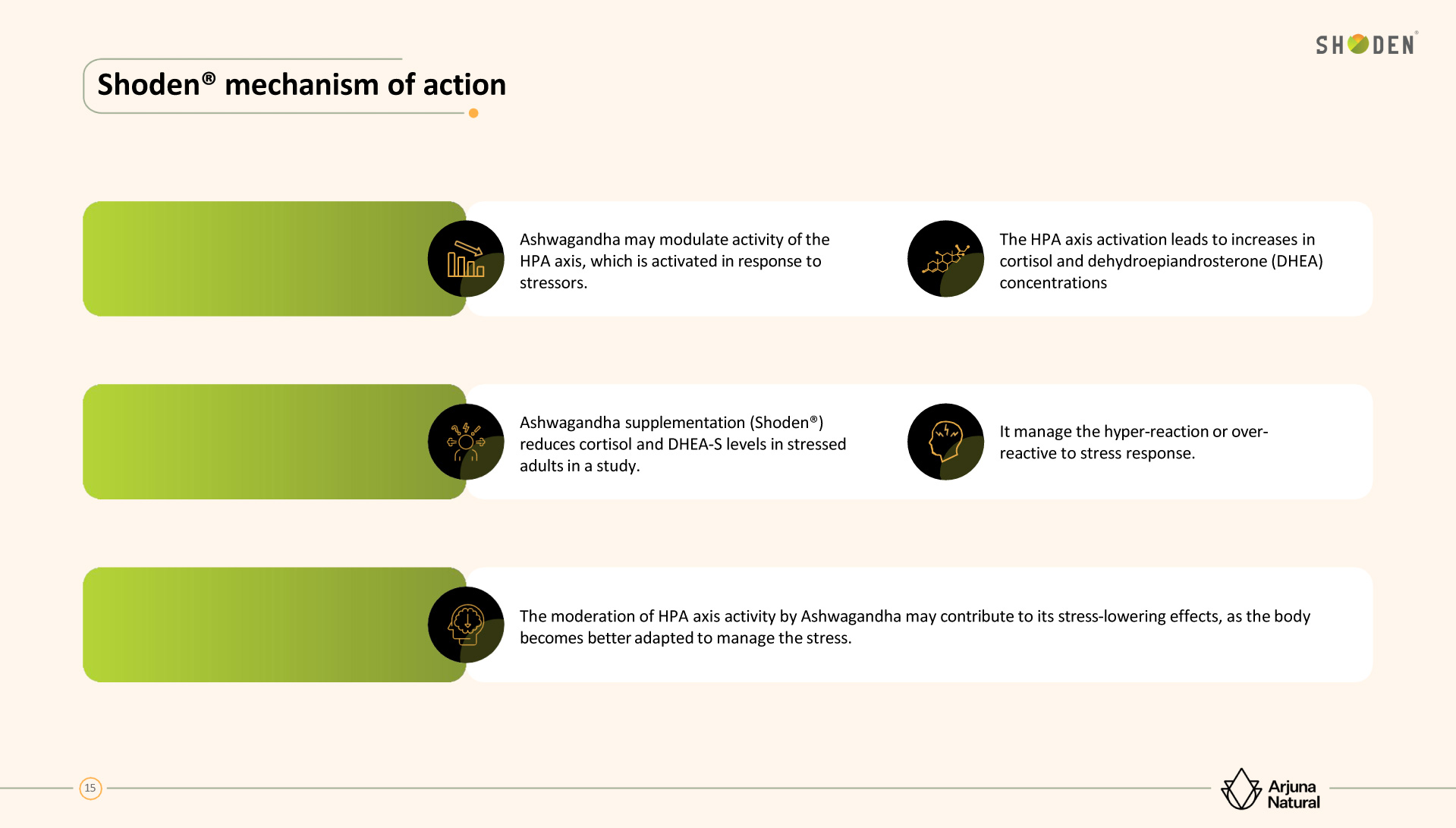
- Support for the normal stress response by modulating HPA axis (hypothalamus-pituitary-adrenal) activity (Shoden® Ashwagandha)
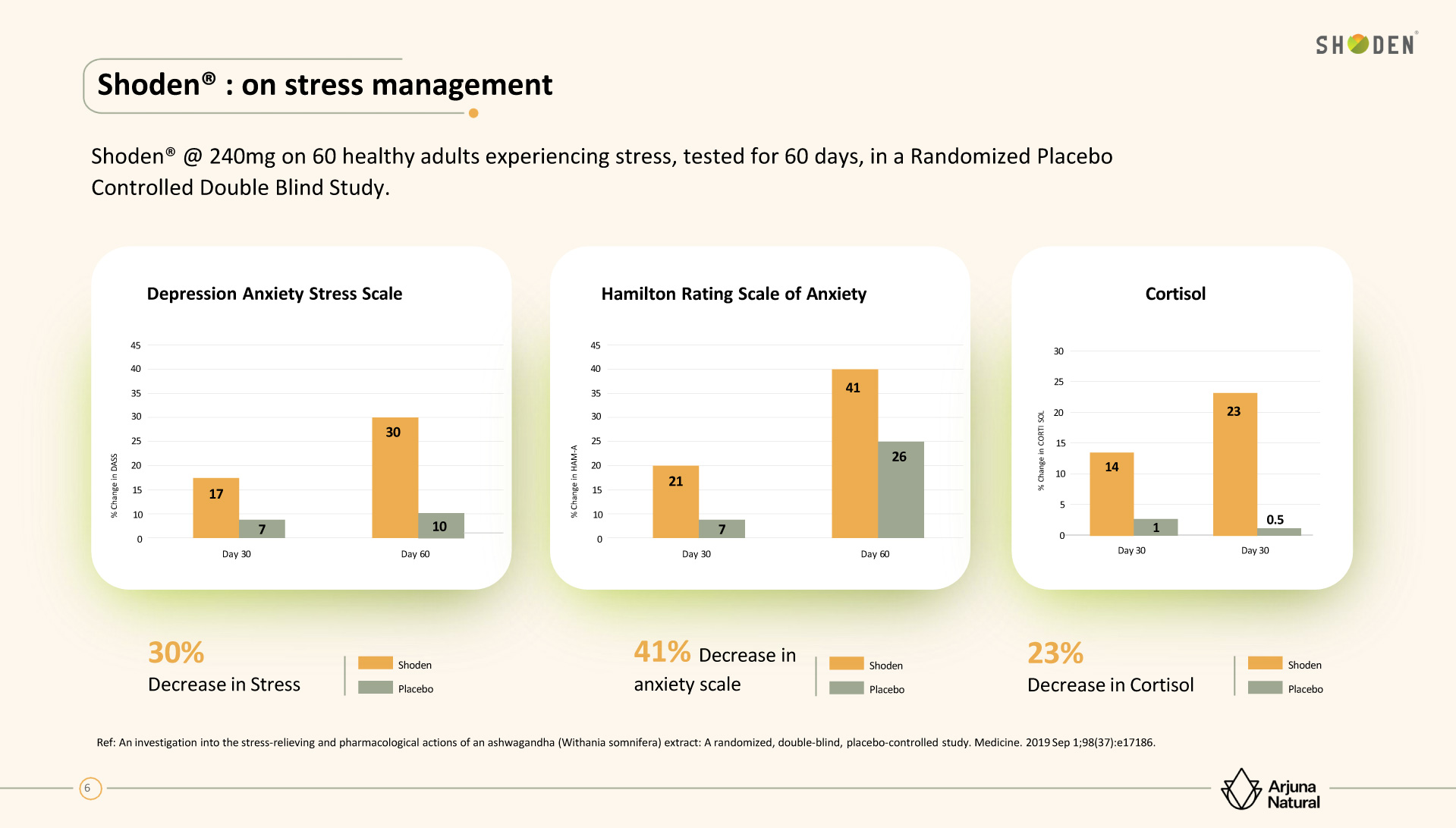
- Support for a 30% reduction in perceived stress (DASS scale) in healthy stressed adults (Shoden® Ashwagandha) — 2019 study, 240mg/day, 60 days, N=60
- Support for a 41% reduction in anxiety (Hamilton HAM-A scale) in the same study (Shoden® Ashwagandha)
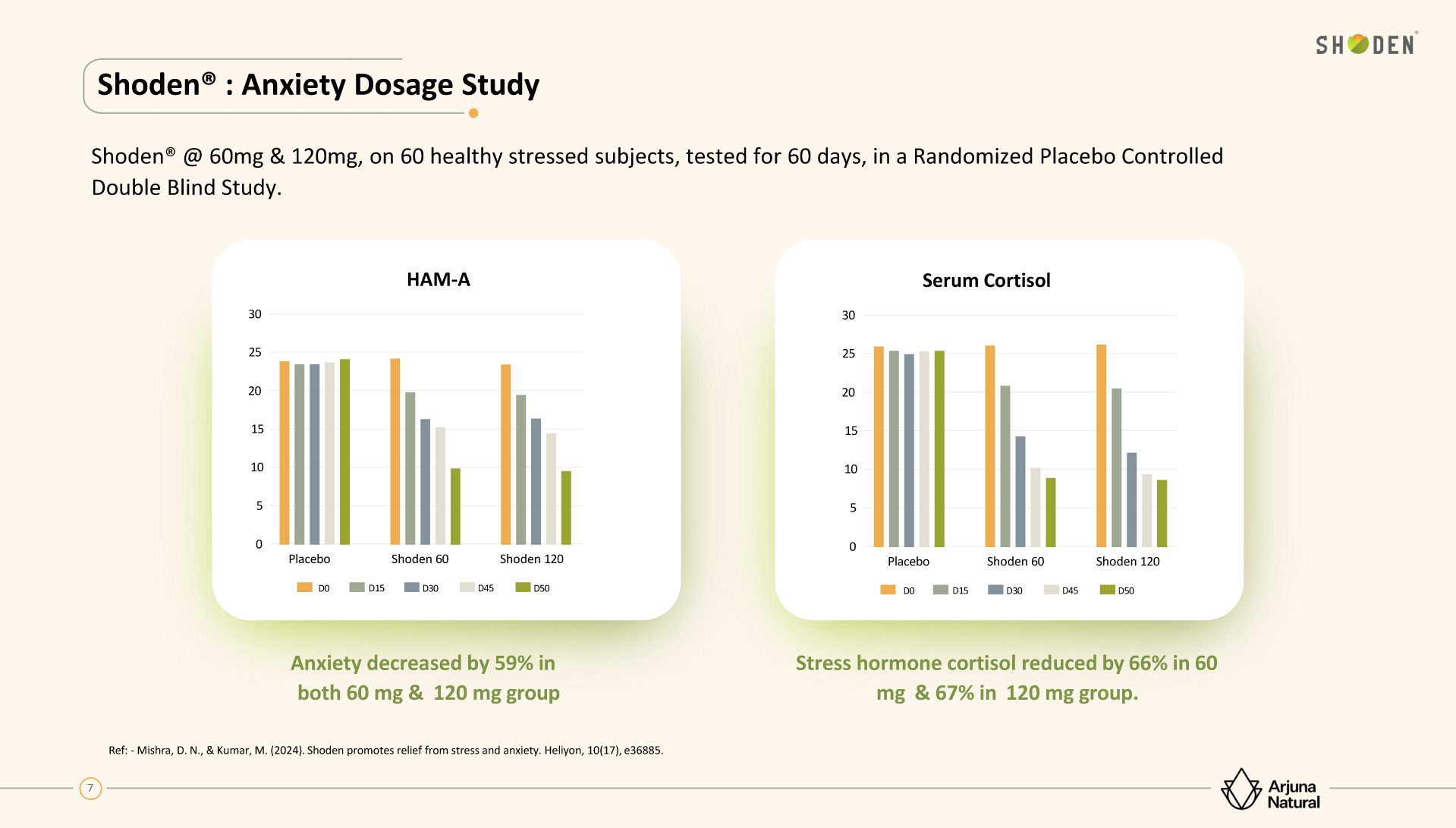
- Support for a 23% reduction in cortisol in the same study, and a 59% (anxiety) / 66-67% (cortisol) reduction in a 60mg & 120mg dosage study (Shoden® Ashwagandha) — Mishra & Kumar study, 2024, N=60
- Support …managing stress hyper-reactivity through the regulation of cortisol and DHEA-S (Shoden® Ashwagandha)
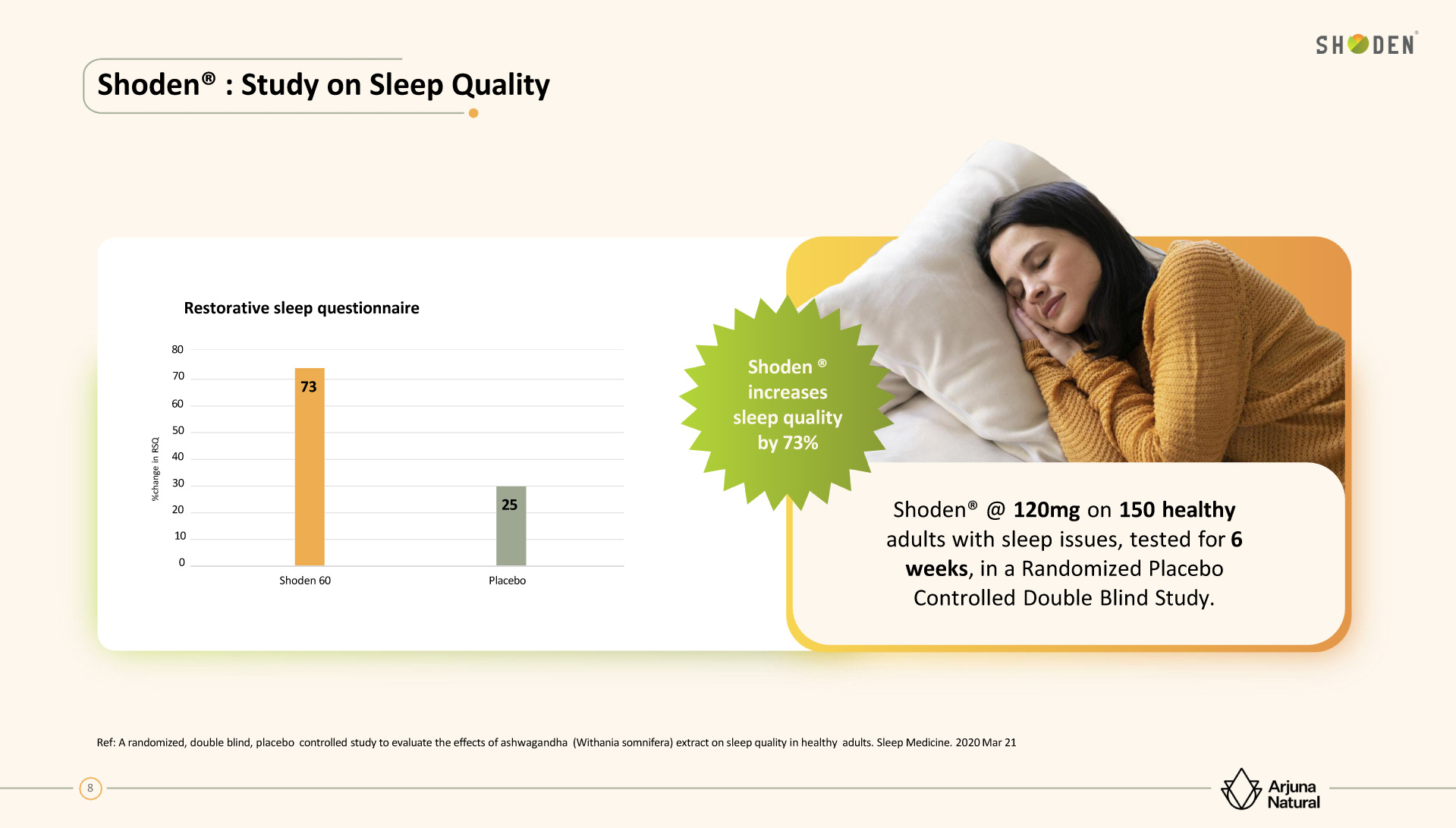
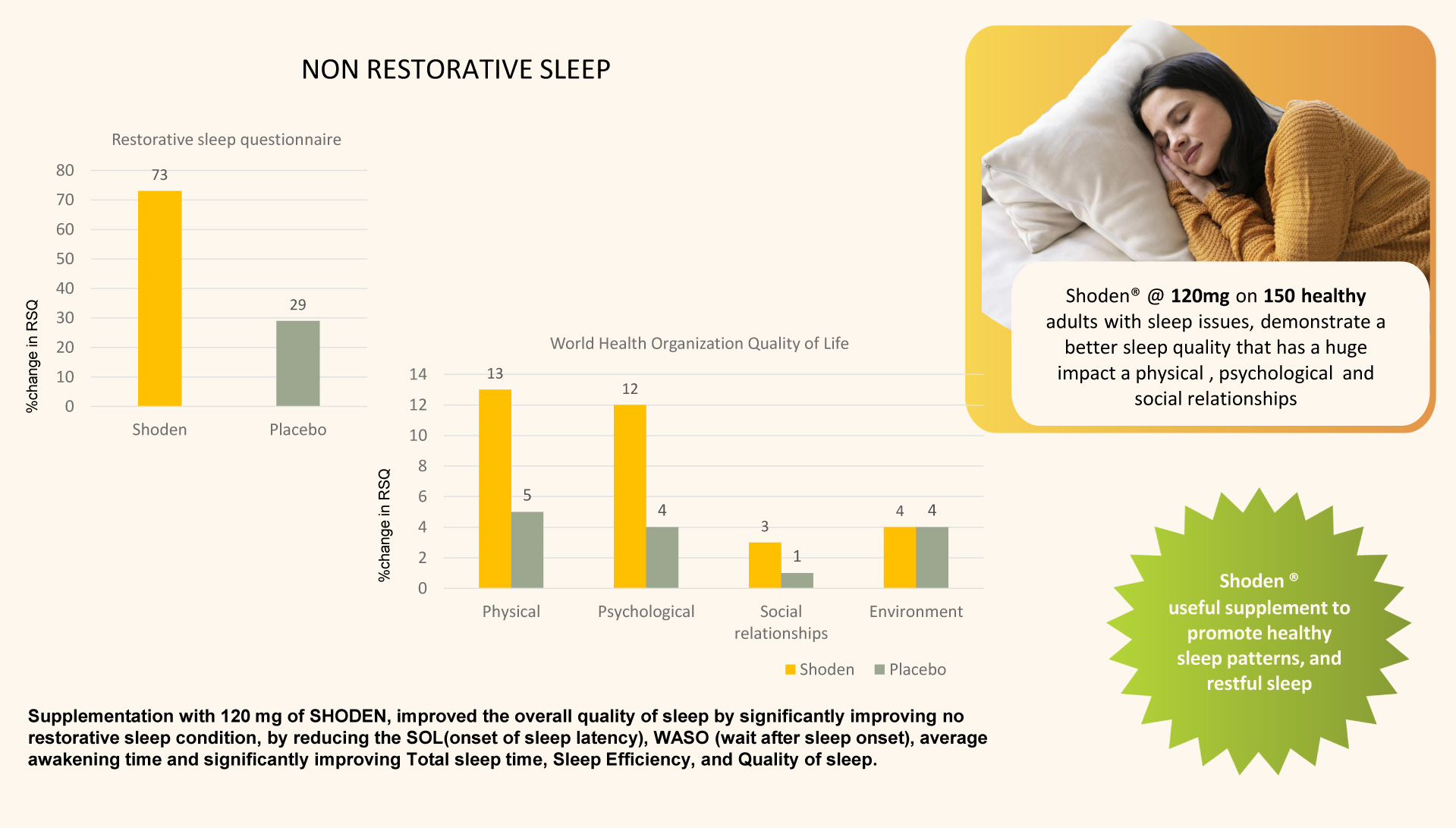
- Support for sleep quality and restorative sleep — 73% increase on the Restorative Sleep Questionnaire (RSQ) versus 25–29% for placebo (Shoden® Ashwagandha) — 2020 study, 120mg/day, 6 weeks, N=150
- Support for reducing sleep onset latency (SOL) and wake after sleep onset (WASO), and for improving total sleep time and sleep efficiency (Shoden® Ashwagandha)
- Support for quality of life (physical, psychological, social relationships, environment — WHOQOL scale) through improved sleep (Shoden® Ashwagandha)
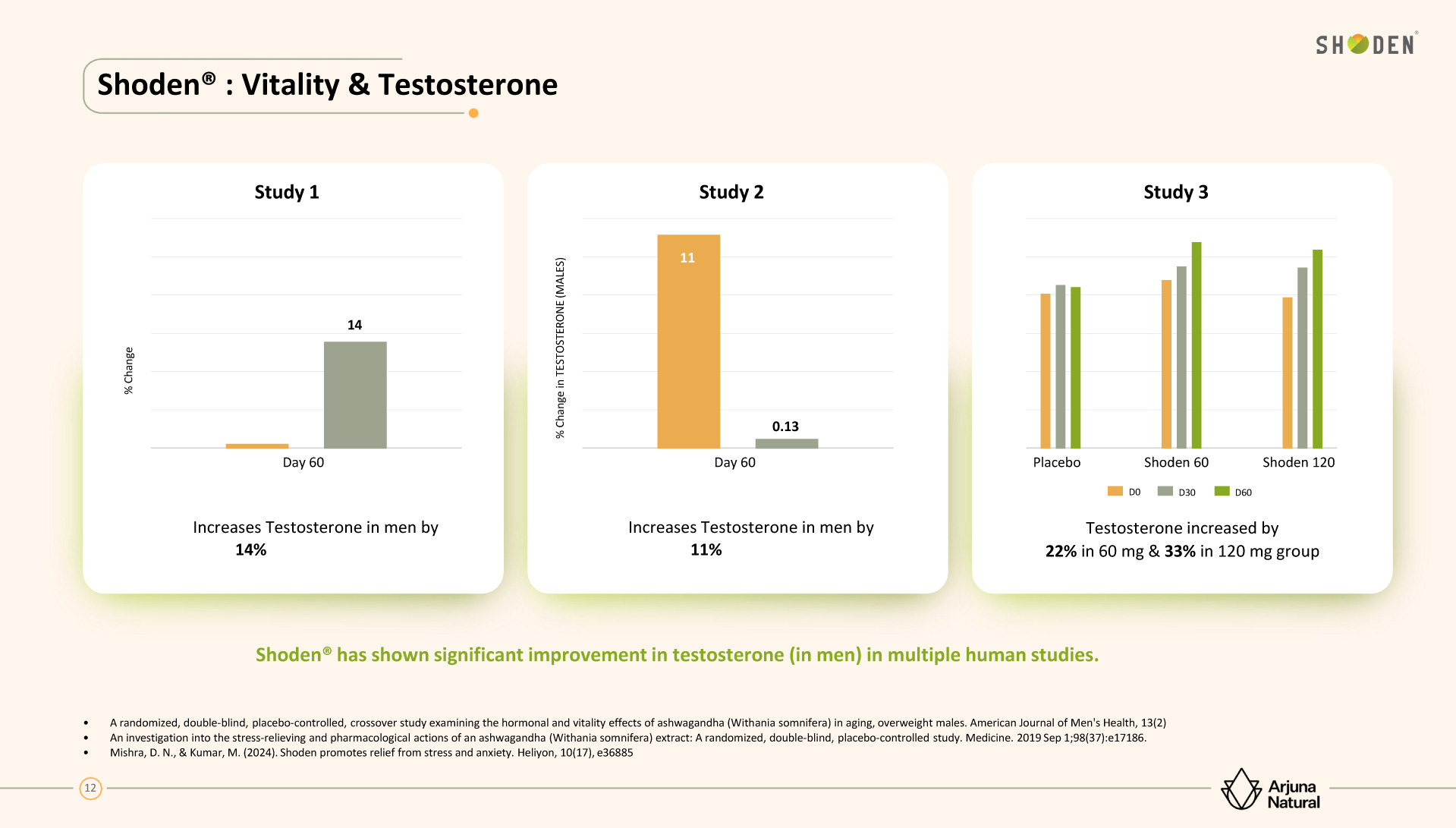
- Support for normal testosterone levels in men — an increase of 11–14% in two independent studies, and a dose-dependent increase of 22% (60 mg) / 33% (120 mg) in a third study (Shoden® Ashwagandha)
- Support for vitality and a general sense of energy in adults (Shoden® Ashwagandha)
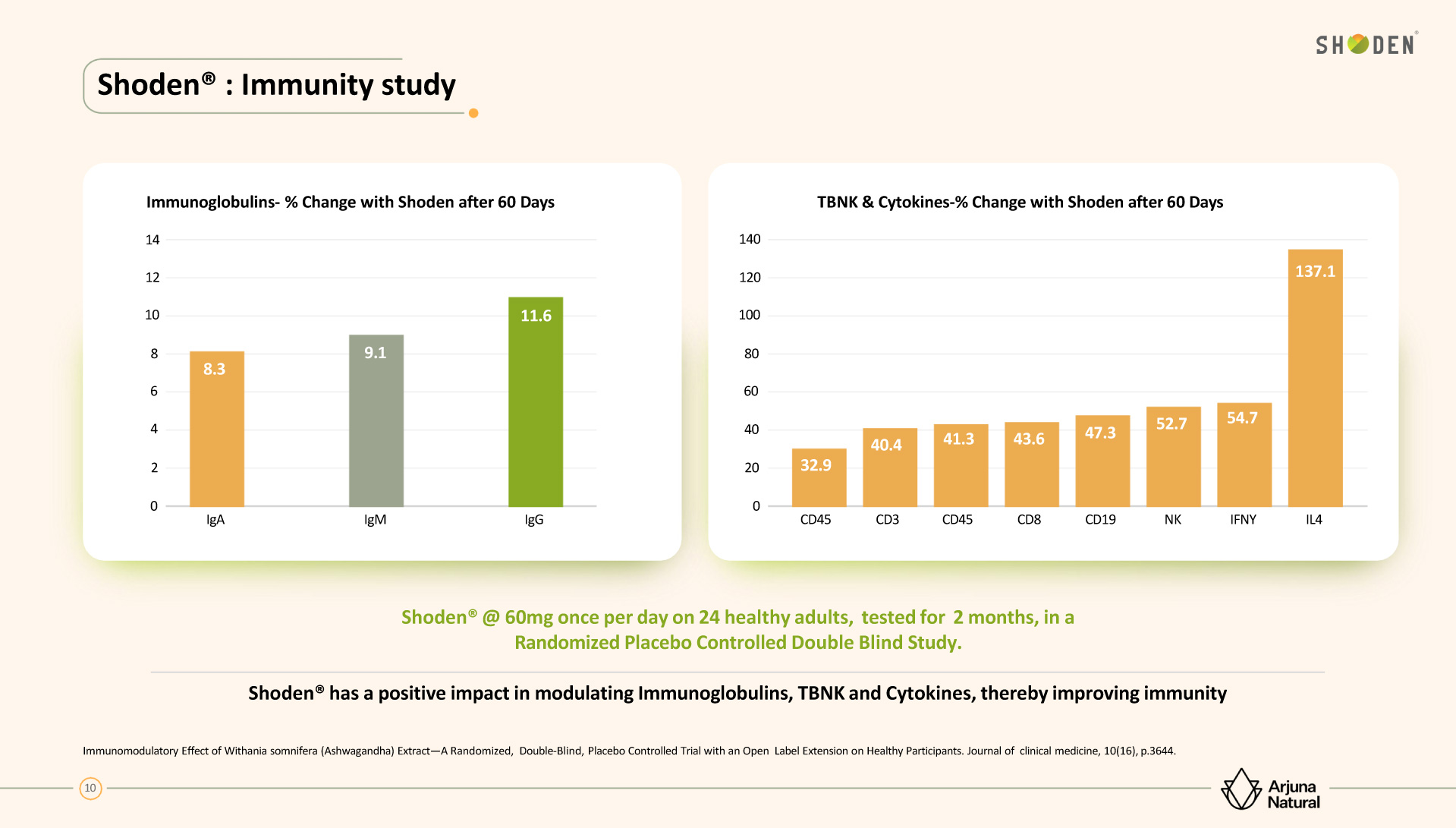
- Support for normal immune function — increase in immunoglobulins IgA (+8.3%), IgM (+9.1%), and IgG (+11.6%) after 60 days (Shoden® Ashwagandha) — *Journal of Clinical Medicine* study, 60 mg/day, N=24
- Support for the modulation of immune cells and cytokines (CD45, CD3, CD8, CD19, NK, IFN-γ, IL-4) in the same study, with the greatest change observed in IL-4 (+137.1%) (Shoden® Ashwagandha)
Concerning Shoden® Ashwagandha
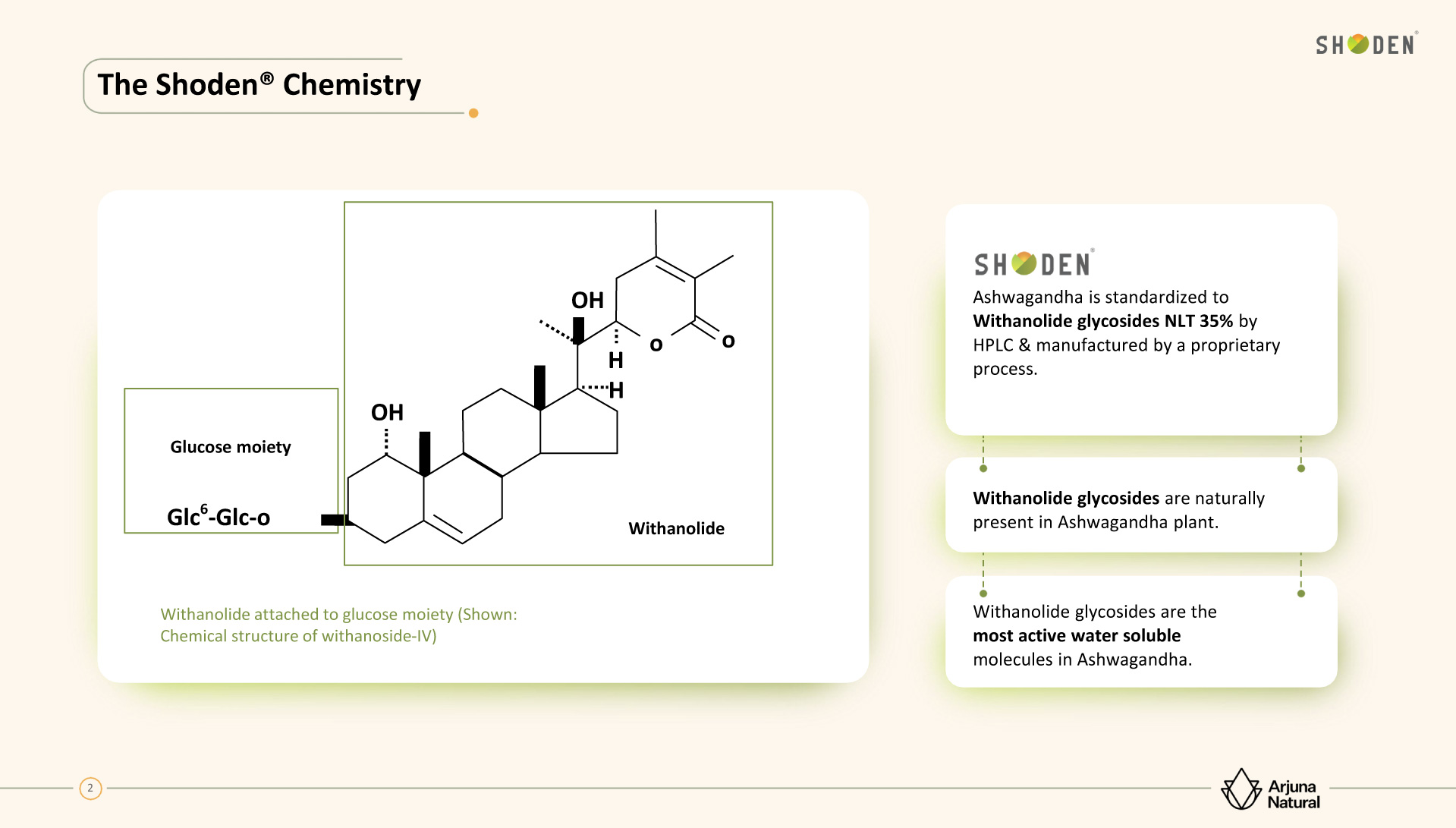
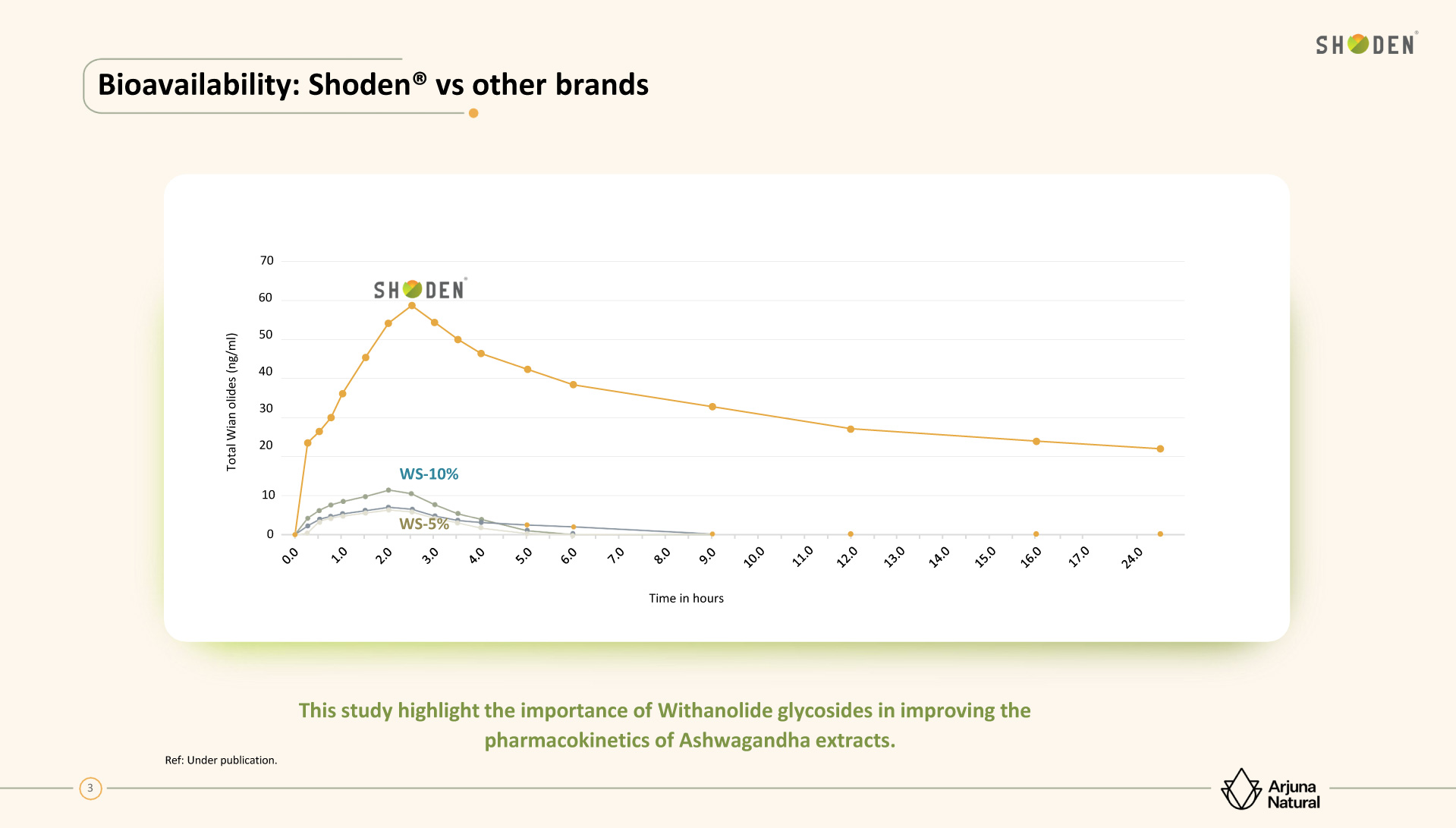
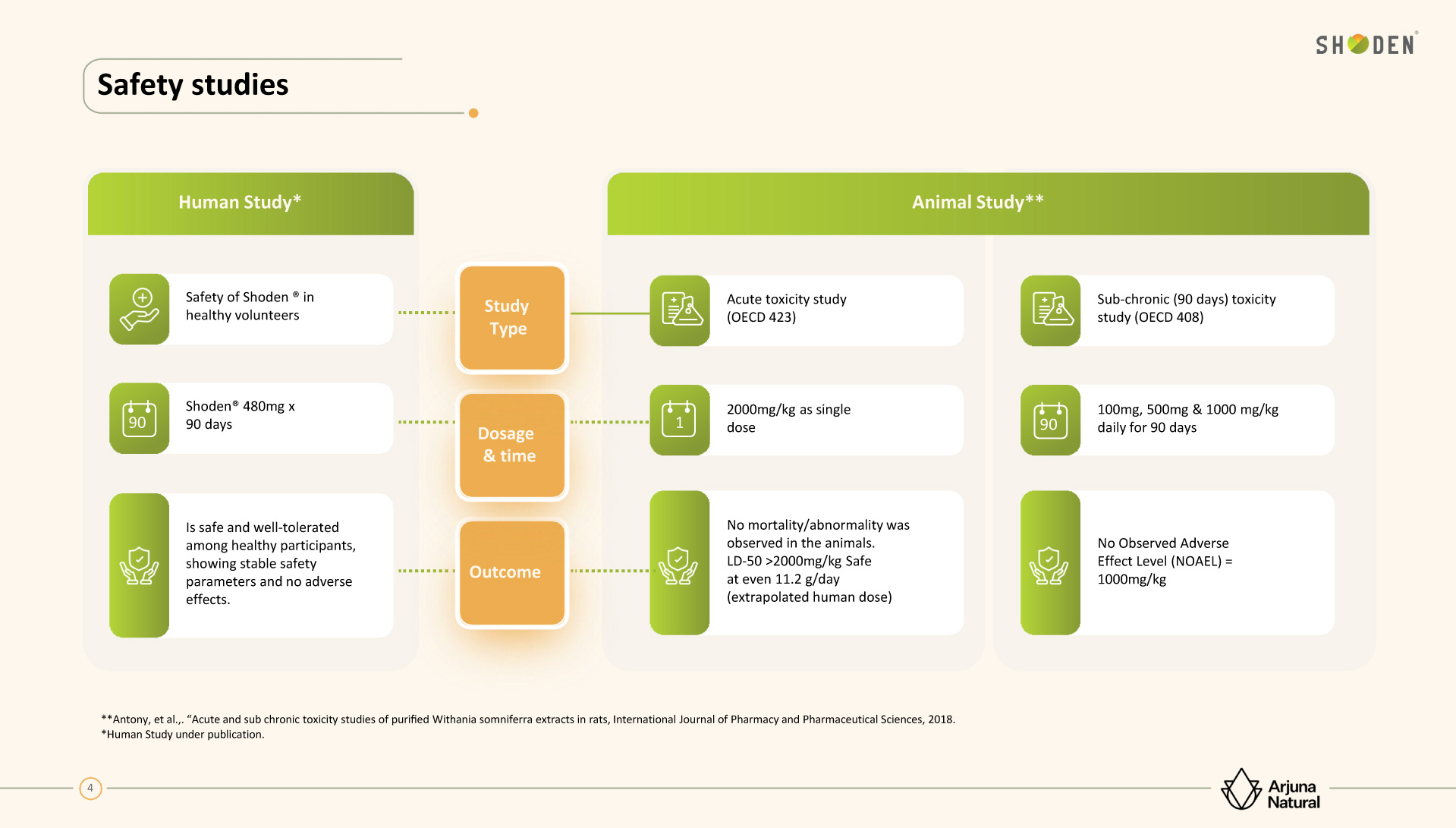
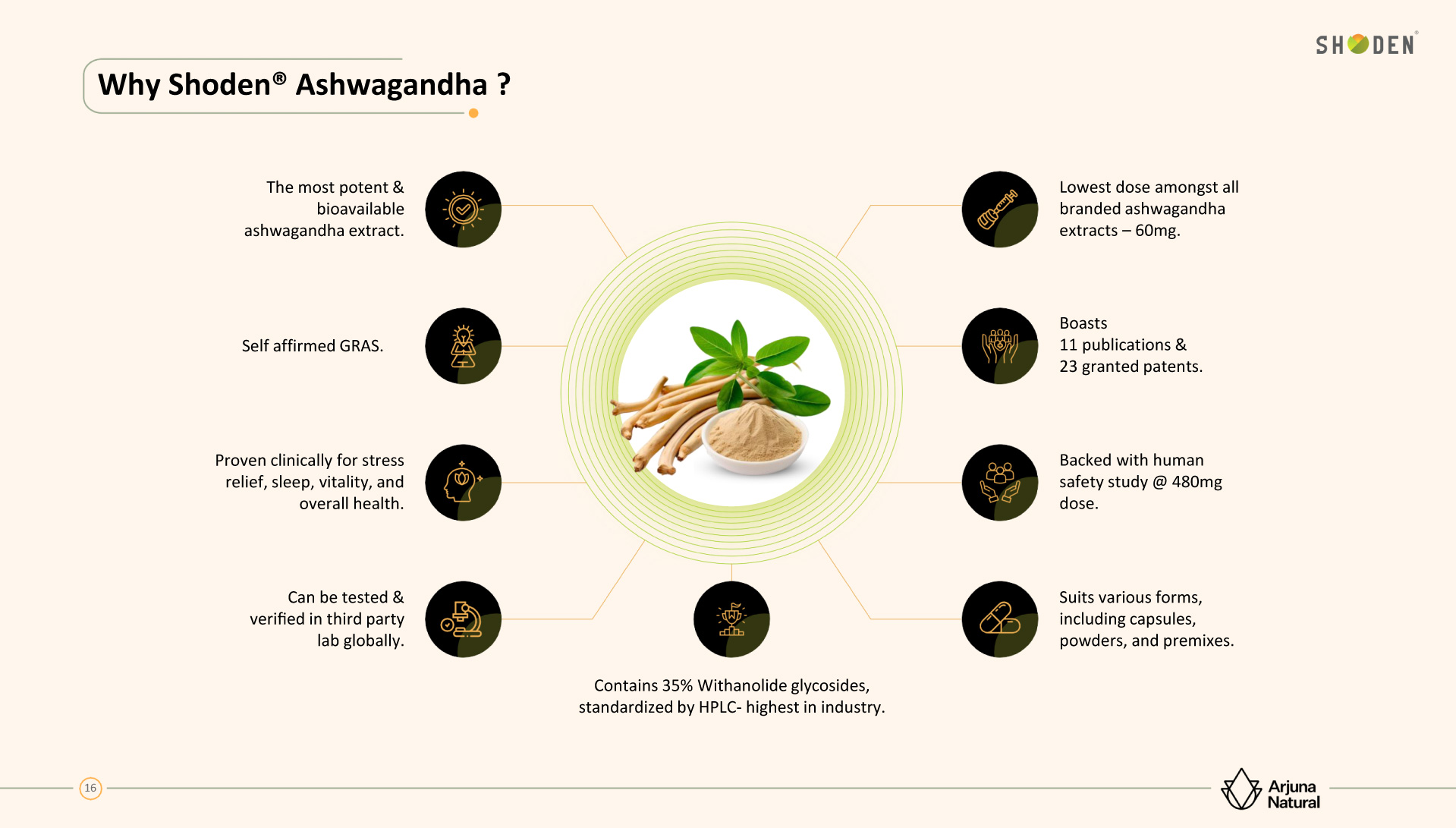
Standardized Withania somnifera extract with ≥35% withanolide glycosides (HPLC standardization — the highest on the market at presentation), which are described as the most active water-soluble molecules of the plant and are associated with superior bioavailability over WS-5%/WS-10% extracts. It is supported by a safety study in humans (480mg/90 days, well tolerated, no adverse effects) and animals (NOAEL 1000mg/kg), as well as 11 publications and 23 patents
Table. Key pillars of Pycnogenol® positioning
| Axis | Composition |
|---|---|
| Antioxidant & Antiinflammatory | EGCG + NAC + Se + Pycnogenol® |
| Cardiovascular & Circulation | Pycnogenol® + Mg |
| Skin & Beauty | Pycnogenol® + Zn + Se |
| Women's health | Pycnogenol® + Mg |
| Joint & mobility | Pycnogenol® — 11 publications, documented effects on pain, stiffness, mobility, and cartilage (knee/hand osteoarthritis, menopausal joint/muscle discomfort) |
| Stress, sleep & vitality | Shoden® Ashwagandha — 11 publications / 23 patents, documented effects on stress/anxiety (DASS, HAM-A, cortisol), sleep quality (RSQ, WHOQOL), testosterone/vitality in men, and the immune system (immunoglobulins, TBNK, cytokines) |
Important Note
The above reflects findings from presentations/studies (Pycnogenol®, Shoden® Ashwagandha) and known, documented properties of the other ingredients (EGCG, NAC, Se, Zn, Mg, D3). This does not imply that every statement automatically constitutes an approved health claim under Regulation (EC) No 1924/2006 and the EFSA register.
Presentations










Bibliographic documentation (representative) of the active ingredients in Pelviora® – in addition to Pycnogenol® & Shoden®
EGCG (Epigallocatechin 3-gallate)
«Epigallocatechin 3-gallate (EGCG) possesses various biological functions, including anti-cancer and anti-inflammatory properties. …This review focuses on anti-cancer, anti-oxidant, anti-inflammatory, anti-angiogenesis, and apoptotic eff …»
«Epigallocatechin-3-gallate (EGCG), an active compound of green tea and its role in diseases cure and prevention has been proven. Its role in diseases management can be attributed to its antioxidant and anti-inflammatory properties. The anti-cancer role of thi …»
«As the principal bioactive component of Camellia sinensis, EGCG is celebrated for its potent antioxidant, anti-inflammatory, cardioprotective, and antitumor properties … Given the growing prevalence of lifestyle-related diseases and the increasing interest …»
«Among these, catechins-particularly epigallocatechin gallate (EGCG)-play a key role in regulating cell signaling pathways associated with various chronic conditions, including cardiovascular diseases, neurodegenerative disorders, metabolic diseases, and cancer. This review…»
«In this study, we show that hUMSC-Exo and EGCG act synergistically to reduce oxidative stress and exert potent anti-inflammatory effects. By incorporating these agents into a …»
«Among these catechins, (-)-epigallocatechin-3-gallate (EGCG), the most abundant polyphenol in green tea, has emerged as a promising therapeutic agent due to its potent antioxidant and anti-inflammatory effects. …By elucidating EGCG’s mechanisms of ac …»
«EGCG possesses intrinsic biological activities such as antioxidant, anti-inflammatory, anticancer, and drug resistance-modulating effects. In addition, the polyphenolic structure of EGCG enables diverse molecular interactions, including hydrophobic int…»
«Epigallocatechin gallate (EGCG), the predominant polyphenol in green tea, exerts a spectrum of physiological activities, including antioxidant, anticancer, and anti-inflammatory effects… This review delineates the main molecular features of EGCG and …»
«EGCG has excellent antioxidant activity, anti-inflammatory, osteogenesis-promoting, and antibacterial properties, and has been widely studied in orthopedic diseases such as osteoporosis… To sum up, it reveals the excellent development potential of material…»
«As the main polyphenolic bioactive substance in green tea, epigallocatechin-3-gallate (EGCG) exerts anti-inflammatory and antioxidant effects. In this study, we explore the potential mechanism by which EGCG relieves experimental colitis by regulating …»
«Highlighting its anti-inflammatory, antioxidant, and neuroprotective effects, EGCG is posited as a promising alternative to conventional pain medications, which are often associated with significant side effects and dependency risks…»
«“(-)-Epigallocatechin-3-gallate (EGCG) is a natural phenolic substance found in foods and beverages (especially tea) that exhibits a broad spectrum of biological activities, including antioxidant, antimicrobial, anti-obesity, anti-inflammatory, and anti-cancer …»
«The repression of the NF-kappaB pathway suggests anti-inflammatory effects for the antioxidant compounds that may also represent an indirect role in angiogenesis inhibition. The green tea flavonoid EGCG does target inflammatory cells, mostly neutrophils, and …»
«Through cellular, animal, and human experiments, green tea and its major component, epigallocatechin-3-gallate (EGCG) have been demonstrated to have anti-inflammatory effects. Our previous findings have indicated that green tea and EGCG suppress the …»
NAC (N-Acetyl Cysteine) & Vitamin D3
«N-acetyl-cysteine (NAC) is a known anti-inflammatory and antioxidant agent. Currently …»
«N-acetylcysteine (NAC), a compound known for its cysteine and glutathione precursor properties, has been used in therapeutic applications for many years. …Most studies suggest that NAC, whether used on its own or in combination with other medications, has the potential …»
«Calcitriol (Cal) is the most active metabolite of vitamin D and has antioxidant and anti-inflammatory properties. The aim of this study …»
«All of the enzymes that metabolize vitamin D seem to require magnesium, which acts as a cofactor in the enzymatic reactions in the liver and kidneys. …It is therefore essential to ensure that the recommended amount of magnesium is consumed to obtain the optimal be …»
Se (Sodium Selenate), Zn (Zinc Sulfate), Mg (Magnesium Biglycinate)
«Magnesium is required for DNA and RNA synthesis, reproduction, and protein synthesis. Moreover, magnesium is essential for the regulation of muscular contraction, blood pressure, insulin metabolism, cardiac excitability, vasomotor tone, nerve transmission and neurom …»
«Selenium (Se) is an essential trace element with antioxidant, immunological, and anti-inflammatory properties, which are attributed to its presence in selenoproteins, as the 21st amino acid selenocysteine. …We now have a clearer understanding of the …»
«The analysis showed the mediating role of leptin in the effects of zinc. Co-supplementation of selenium and zinc may have a synergistic effect in reduction of oxidative and inflammatory markers. Regarding the effect of zinc on inflammatory …»
«Deficits in magnesium have significant role in the pathogenesis of migraine. Mg has been extensively used in migraine prophylaxis and treatment. This review summarizes the role of Mg in migraine pathogenesis and the potential utilizations of Mg in the prevent …»
«An elevated endogenous cortisol level due to the peripartum stress is one of the risk factors of postpartum bovine uterine infections. Selenium is a trace element that elicits anti-inflammation and antioxidation properties …»
«A growing amount of evidence suggests that magnesium deficiency may play an important role in several clinical conditions concerning women health such as premenstrual syndrome, dysmenorrhea, and postmenopausal symptoms. A number of studies highlighted a positive cor …»
«Magnesium plays an important role in many physiological functions. Habitually low intakes of magnesium and in general the deficiency of this micronutrient induce changes in biochemical pathways that can increase the risk of illness and, in particular, chronic …»
«In addition, magnesium treatment is reportedly able to alleviate fibromyalgia, dysmenorrhea, headaches, and acute migraine attacks. Although magnesium plays an evolving role in pain management, better understanding of the mechanism underlying …»
«The application of systemic opioid and regional analgesia techniques has facilitated a decrease in the occurrence and gravity of pain. Magnesium has an evolving role in pain management. Magnesium sulfate (MgSO4), the pharmacological form of magnesium. …»
«This review provides a concise overview of the cellular and clinical aspects of the role of zinc, an essential micronutrient, in human physiology and discusses zinc-related pathological states. …Treatment involves zinc supplementation via zinc…»
«Additionally, magnesium’s anti-inflammatory properties may contribute to the alleviation of depressive symptoms. In the context of migraine’s pathophysiology, magnesium plays a role in regulating cerebral vascular tone, modulating the trigeminovascular …»
«Because of magnesium’s many functions within the body, it plays a major role in disease prevention and overall health. …This review presents recent research in the areas of magnesium and chronic disease, with the goal of emphasizing magnesium’…»
«Bone growth retardation is a common finding in various conditions associated with dietary zinc deficiency. Bone zinc content has been shown to decrease in aging, skeletal unloading, and postmenopausal conditions, suggesting its role in bone disorder…»
«Adipose tissue is considered an endocrine organ that promotes excessive production of reactive oxygen species when in excess, thus contributing to lipid peroxidation. Magnesium deficiency contributes to the development of oxidative stress in obese individuals, as this mine …»
Bibliography
| A/A | Bibliography / References |
|---|---|
| 1 | A randomized, double blind, placebo controlled study to evaluate the effects of ashwagandha (Withania somnifera) extract on sleep quality in healthy adults. Sleep Medicine. 2020 Mar 21 |
| 2 | A randomized, double-blind, placebo-controlled, crossover study examining the hormonal and vitality effects of ashwagandha (Withania somnifera) in aging, overweight males. American Journal of Men's Health, 13(2) |
| 3 | § Abbasi A, Maleki A, Babaei F, Safari H, Rangin A. The role of gibberellic acid and zinc sulfate on biochemical performance relate to drought tolerance of white bean under water stress. Cell Mol Biol (Noisy-le-grand). 2019 Mar 31;65(3):1-10. PMID: |
| 4 | Abdulrab S, Mostafa N, Al-Maweri SA, Abada H, Halboub E, Alhadainy HA. Antibacterial and anti-inflammatory efficacy of N-acetyl cysteine in endodontic treatment: a scoping review. BMC Oral Health. 2022 Sep 12;22(1):398. doi: 10.1186/s12903-022-02433-6. Erratum in: BMC Oral Health. 2022 Sep 22;22(1):419. doi: 10.1186/s12903-022-02458-x. PMID: 36096839; PMCID: PMC9469528. |
| 5 | Abdulrab S, Mostafa N, Al-Maweri SA, Abada H, Halboub E, Alhadainy HA. Antibacterial and anti-inflammatory efficacy of N-acetyl cysteine in endodontic treatment: a scoping review. BMC Oral Health. 2022 Sep 12;22(1):398. doi: 10.1186/s12903-022-02433-6. Erratum in: BMC Oral Health. 2022 Sep 22;22(1):419. doi: 10.1186/s12903-022-02458-x. PMID: 36096839; PMCID: PMC9469528. |
| 6 | Achilleos N, Harrison MT, Tsiani E. Epigallocatechin-3-Gallate (EGCG) as a Multifaceted Natural Anticancer Agent in Colorectal Cancer: Preclinical Evidence and Future Directions. Cancers (Basel). 2026 Jul 24;18(15):2391. doi: 10.3390/cancers18152391. PMID: 42588610; PMCID: PMC13464837. |
| 7 | Adil M, Amin SS, Mohtashim M. N-acetylcysteine in dermatology. Indian J Dermatol Venereol Leprol. 2018 Nov-Dec;84(6):652-659. doi: 10.4103/ijdvl.IJDVL_33_18. PMID: 30246706. |
| 8 | Ågren L, Elfsmark L, Akfur C, Hägglund L, Ekstrand-Hammarström B, Jonasson S. N-acetyl cysteine protects against chlorine-induced tissue damage in an ex vivo model. Toxicol Lett. 2020 Apr 1;322:58-65. doi: 10.1016/j.toxlet.2020.01.006. Epub 2020 Jan 18. PMID: 31962155. |
| 9 | Ahmed M. Neuroprotective and cognitive-enhancing potentials of herbal remedies: Focus on St. John's wort, green tea, and Ashwagandha. Neurotoxicol Teratol. 2025 Sep-Oct;111:107549. doi: 10.1016/j.ntt.2025.107549. Epub 2025 Aug 25. PMID: 40865615. |
| 10 | Alam M, Ali S, Ashraf GM, Bilgrami AL, Yadav DK, Hassan MI. Epigallocatechin 3-gallate: From green tea to cancer therapeutics. Food Chem. 2022 Jun 15;379:132135. doi: 10.1016/j.foodchem.2022.132135. Epub 2022 Jan 11. PMID: 35063850. |
| 11 | Allingstrup M, Afshari A. Selenium supplementation for critically ill adults. Cochrane Database Syst Rev. 2015 Jul 27;2015(7):CD003703. doi: 10.1002/14651858.CD003703.pub3. PMID: 26214143; PMCID: PMC6517228. |
| 12 | Almatroodi SA, Almatroudi A, Khan AA, Alhumaydhi FA, Alsahli MA, Rahmani AH. Potential Therapeutic Targets of Epigallocatechin Gallate (EGCG), the Most Abundant Catechin in Green Tea, and Its Role in the Therapy of Various Types of Cancer. Molecules. 2020 Jul 9;25(14):3146. doi: 10.3390/molecules25143146. PMID: 32660101; PMCID: PMC7397003. |
| 13 | Alrashdi BM, Fehaid A, Kassab RB, Rizk S, Habotta OA, Abdel Moneim AE. Biosynthesized Selenium Nanoparticles Using Epigallocatechin Gallate Protect against Pentylenetetrazole-Induced Acute Epileptic Seizures in Mice via Antioxidative, Anti-Inflammatory, and Anti-Apoptotic Activities. Biomedicines. 2023 Jul 11;11(7):1955. doi: 10.3390/biomedicines11071955. PMID: 37509594; PMCID: PMC10377216. |
| 14 | An investigation into the stress-relieving and pharmacological actions of an ashwagandha (Withania somnifera) extract: A randomized, double-blind, placebo-controlled study. Medicine. 2019 Sep 1;98(37):e17186 |
| 15 | Antony, et al.,. “Acute and sub chronic toxicity studies of purified Withania somniferra extracts in rats, International Journal of Pharmacy and Pharmaceutical Sciences, 2018. *Human Study under publication. |
| 16 | Araghi-Niknam M, et al., Integrative Medicine. 1999;2(2/3). |
| 17 | Athanasiou E, Verras GI, Papageorgiou S, Kelesis I, Gatsis A, Karaoulani C, Stouras I, Kanatas P, Saitani EM, Oikonomou ME, Vlassi DA, Vasileiou M, Tsagkaris C, Alexiou A, Kamal MA. The Association Between the Risk of Breast Cancer and Epigallocatechin- 3-Gallate Intake: A Literature Review of a Potential Chemopreventive Agent. Curr Med Chem. 2022;29(40):6169-6196. doi: 10.2174/0929867329666220726153412. PMID: 35894455. |
| 18 | § Babu SSN, Singla S, Jena G. Role of Combination Treatment of Aspirin and Zinc in DMH-DSS-induced Colon Inflammation, Oxidative Stress and Tumour Progression in Male BALB/c Mice. Biol Trace Elem Res. 2023 Mar;201(3):1327-1343. doi: 10.1007/s12011-022-03241-3. Epub 2022 Apr 19. PMID: 35438409. |
| 19 | § Bakun P, Mlynarczyk DT, Koczorowski T, Cerbin-Koczorowska M, Piwowarczyk L, Kolasiński E, Stawny M, Kuźmińska J, Jelińska A, Goslinski T. Tea-break with epigallocatechin gallate derivatives - Powerful polyphenols of great potential for medicine. Eur J Med Chem. 2023 Dec 5;261:115820. doi: 10.1016/j.ejmech.2023.115820. Epub 2023 Sep 14. PMID: 37776575. |
| 20 | § Bansal CJ, Bansal AS. Stress, pseudoallergens, autoimmunity, infection and inflammation in chronic spontaneous urticaria. Allergy Asthma Clin Immunol. 2019 Sep 11;15:56. doi: 10.1186/s13223-019-0372-z. PMID: 31528163; PMCID: PMC6737621. |
| 21 | Baranwal A, Aggarwal P, Rai A, Kumar N. Pharmacological Actions and Underlying Mechanisms of Catechin: A Review. Mini Rev Med Chem. 2022;22(5):821-833. doi: 10.2174/1389557521666210902162120. PMID: 34477517. |
| 22 | Belcaro et al. Phytother Res, 22: 518-523, 2008 |
| 23 | Belcaro et al., Clin Appl Thromb Hemost 10(4): 373-377, 2004 |
| 24 | Belcaro G, et al. Clin Appl Thromb Hemost. 2006;12(3):318-23 |
| 25 | Belcaro G. et al. Angiology. 2005;56(6):699-705. |
| 26 | Belcaro, G., et al (2009). Phytother Res 23: 1673-1677. |
| 27 | Belcaro, G., et al. (2005). " Angiology 56(6): 699-705. |
| 28 | Belcaro, G., et al. (2013). Phytother Res 27(10): 1572-1578. |
| 29 | Belcaro, G., et al. (2018). Minerva Cardioangiol 66(2): 152-159, 238-245. |
| 30 | Bhattacharya TK, Pence BD, Ossyra JM, Gibbons TE, Perez S, McCusker RH, Kelley KW, Johnson RW, Woods JA, Rhodes JS. Exercise but not (-)-epigallocatechin-3-gallate or β-alanine enhances physical fitness, brain plasticity, and behavioral performance in mice. Physiol Behav. 2015 Jun 1;145:29-37. doi: 10.1016/j.physbeh.2015.03.023. Epub 2015 Mar 19. PMID: 25797079; PMCID: PMC4427239. |
| 31 | Biswas P, Dellanoce C, Vezzoli A, Mrakic-Sposta S, Malnati M, Beretta A, Accinni R. Antioxidant Activity with Increased Endogenous Levels of Vitamin C, E and A Following Dietary Supplementation with a Combination of Glutathione and Resveratrol Precursors. Nutrients. 2020 Oct 22;12(11):3224. doi: 10.3390/nu12113224. PMID: 33105552; PMCID: PMC7690269. |
| 32 | Blaine J, Chonchol M, Levi M. Renal control of calcium, phosphate, and magnesium homeostasis. Clin J Am Soc Nephrol. 2015 Jul 7;10(7):1257-72. doi: 10.2215/CJN.09750913. Epub 2014 Oct 6. Erratum in: Clin J Am Soc Nephrol. 2015 Oct 7;10(10):1886-7. doi: 10.2215/CJN.08840815. PMID: 25287933; PMCID: PMC4491294. |
| 33 | Blaszczyk U, Duda-Chodak A. Magnesium: its role in nutrition and carcinogenesis. Rocz Panstw Zakl Hig. 2013;64(3):165-71. PMID: 24325082. |
| 34 | Bocheva G, Slominski RM, Slominski AT. The Impact of Vitamin D on Skin Aging. Int J Mol Sci. 2021 Aug 23;22(16):9097. doi: 10.3390/ijms22169097. PMID: 34445803; PMCID: PMC8396468. |
| 35 | Boehlke C, Joos L, Coune B, Becker C, Meerpohl JJ, Buroh S, Hercz D, Schwarzer G, Becker G. Pharmacological interventions for pruritus in adult palliative care patients. Cochrane Database Syst Rev. 2023 Apr 14;4(2023):CD008320. doi: 10.1002/14651858.CD008320.pub4. PMID: 37314034; PMCID: PMC11339634. |
| 36 | Butt MS, Sultan MT. Green tea: nature's defense against malignancies. Crit Rev Food Sci Nutr. 2009 May;49(5):463-73. doi: 10.1080/10408390802145310. PMID: 19399671. |
| 37 | Cai, C., et al. (2023). Health Science Reports 6(1). |
| 38 | Campos, V. (2014). " J Am Acad Dermatol (P8471): AB19. |
| 39 | Canali R, et al. Int Immunopharmacol. 2009;9(10):1145-9. |
| 40 | Capasso L, De Masi L, Sirignano C, Maresca V, Basile A, Nebbioso A, Rigano D, Bontempo P. Epigallocatechin Gallate (EGCG): Pharmacological Properties, Biological Activities and Therapeutic Potential. Molecules. 2025 Feb 1;30(3):654. doi: 10.3390/molecules30030654. PMID: 39942757; PMCID: PMC11821029. |
| 41 | Carini F, Tomasello G, Jurjus A, Geagea A, Al Kattar S, Damiani P, Sinagra E, Rappa F, David S, Cappello F, Mazzola M, Leone A. Colorectal cancer and inflammatory bowel diseases: effects of diet and antioxidants. J Biol Regul Homeost Agents. 2017 Jul-Sep;31(3):791-795. PMID: 28726358. |
| 42 | Castiglioni S, Mazur A, Maier JA. The central role of magnesium in skeletal muscle: from myogenesis to performance. Magnes Res. 2024 Jul 1;37(1):1-11. doi: 10.1684/mrh.2024.0526. PMID: 39077819. |
| 43 | Castiglioni S. Editorial of Special Issue "Magnesium in Human Health and Disease". Nutrients. 2021 Jul 21;13(8):2490. doi: 10.3390/nu13082490. PMID: 34444647; PMCID: PMC8399013. |
| 44 | Cervantes J, Eber AE, Perper M, Nascimento VM, Nouri K, Keri JE. The role of zinc in the treatment of acne: A review of the literature. Dermatol Ther. 2018 Jan;31(1). doi: 10.1111/dth.12576. Epub 2017 Nov 28. PMID: 29193602. |
| 45 | Cesarone, M. R., et al. (2006). Angiology 57(4): 431-436. Hu S, B. G., |
| 46 | Cesarone, M. R., et al. (2010). " J. of cardiovascular pharmacology & Therapeutics 15(1): 41-46. |
| 47 | Cesarone, M. R., et al. (2024). Minerva Surg 79(5): 539-544. |
| 48 | Chiu HF, Venkatakrishnan K, Wang CK. The role of nutraceuticals as a complementary therapy against various neurodegenerative diseases: A mini-review. J Tradit Complement Med. 2020 Apr 1;10(5):434-439. doi: 10.1016/j.jtcme.2020.03.008. PMID: 32953558; PMCID: PMC7484964. |
| 49 | Chovanova, Z., et al. (2006). Free Radic Res 40(9): 1003-1010. |
| 50 | Ciavarella C, Motta I, Blando S, Valente S, Farabegoli F, Focarete ML, Gargiulo M, Pasquinelli G. Epigallocatechin-3-Gallate (EGCG) Mitigates Endothelial and Circulating Cells Alterations Following PLLA Electrospun Mat Placement. Biomedicines. 2022 May 30;10(6):1276. doi: 10.3390/biomedicines10061276. PMID: 35740298; PMCID: PMC9220276. |
| 51 | Cisar et al. Phytother Res 22: 1087-1092, 2008 |
| 52 | Cornelli U, et al (2015). Int Angiol 34(1): 43-52. |
| 53 | Cui L, Zhang M, Zheng F, Yuan C, Wang Z, Qiu S, Meng X, Dong J, Liu K, Guo L, Wang H, Li J. Selenium elicited an enhanced anti-inflammatory effect in primary bovine endometrial stromal cells with high cortisol background. BMC Vet Res. 2024 Aug 27;20(1):383. doi: 10.1186/s12917-024-04240-3. PMID: 39192330; PMCID: PMC11348731. |
| 54 | Czaja AJ, Montano-Loza AJ. Evolving Role of Vitamin D in Immune-Mediated Disease and Its Implications in Autoimmune Hepatitis. Dig Dis Sci. 2019 Feb;64(2):324-344. doi: 10.1007/s10620-018-5351-6. Epub 2018 Oct 28. PMID: 30370494. |
| 55 | Dawi J, Misakyan Y, Affa S, Kades S, Narasimhan A, Hajjar F, Besser M, Tumanyan K, Venketaraman V. Oxidative Stress, Glutathione Insufficiency, and Inflammatory Pathways in Type 2 Diabetes Mellitus: Implications for Therapeutic Interventions. Biomedicines. 2024 Dec 26;13(1):18. doi: 10.3390/biomedicines13010018. PMID: 39857603; PMCID: PMC11762874. |
| 56 | Devaraj, S., et al. (2002). Lipids 37(10): 931-934. |
| 57 | Dhanjal NIK, Sharma S, Prabhu KS, Prakash NT. Selenium supplementation through Se-rich dietary matrices can upregulate the anti-inflammatory responses in lipopolysaccharide-stimulated murine macrophages. Food Agric Immunol. 2017;28(6):1374-1392. doi: 10.1080/09540105.2017.1343805. Epub 2017 Jul 19. PMID: 29563666; PMCID: PMC5858741. |
| 58 | Dharshini LCP, Mandal AKA. Regulation of gene expression by modulating microRNAs through Epigallocatechin-3-gallate in cancer. Mol Biol Rep. 2024 Jan 28;51(1):230. doi: 10.1007/s11033-023-09145-2. PMID: 38281210. |
| 59 | Dolati S, Rikhtegar R, Mehdizadeh A, Yousefi M. The Role of Magnesium in Pathophysiology and Migraine Treatment. Biol Trace Elem Res. 2020 Aug;196(2):375-383. doi: 10.1007/s12011-019-01931-z. Epub 2019 Nov 5. PMID: 31691193. |
| 60 | Dong XW, Fang WL, Li YH, Chai YR. Epigallocatechin-Gallate: Unraveling Its Protective Mechanisms and Therapeutic Potential. Cell Biochem Funct. 2025 Feb;43(2):e70056. doi: 10.1002/cbf.70056. PMID: 39915982. |
| 61 | Durackova, Z., et al. (2003). " Nutr Res 23: 1189-1198 |
| 62 | Eng QY, Thanikachalam PV, Ramamurthy S. Molecular understanding of Epigallocatechin gallate (EGCG) in cardiovascular and metabolic diseases. J Ethnopharmacol. 2018 Jan 10;210:296-310. doi: 10.1016/j.jep.2017.08.035. Epub 2017 Aug 31. PMID: 28864169. |
| 63 | Enseleit, F., et al. (2012). Eur Heart J 33(13): 1589-1597. |
| 64 | Ericchi, B., et al (2011). Panminerva Med 53(3): 21-27, 65-70. |
| 65 | Errichi et al., Panminerva Med, 53 (Suppl 1): 65-70, 2011 |
| 66 | Ezzat GM, Nassar AY, Bakr MH, Mohamed S, Nassar GA, Kamel AA. Acetylated Oligopeptide and N-acetyl cysteine Protected Against Oxidative Stress, Inflammation, Testicular-Blood Barrier Damage, and Testicular Cell Death in Iron-Overload Rat Model. Appl Biochem Biotechnol. 2023 Aug;195(8):5053-5071. doi: 10.1007/s12010-023-04457-2. Epub 2023 Mar 22. PMID: 36947366. |
| 67 | Fan S, Fan X, Ma N, Yin G, Zhang C, Liang Y, Luo Y, Deng Y, Zuo J, Tang J, Luo D, Fan X. Epigallocatechin-3-gallate ameliorates lipopolysaccharide-induced inflammation via the 67LR/JAK2/STAT3 signaling pathway. Sci Rep. 2025 Nov 28;15(1):42738. doi: 10.1038/s41598-025-26875-4. PMID: 41315587; PMCID: PMC12663102. |
| 68 | Fanni D, Gerosa C, Nurchi VM, Manchia M, Saba L, Coghe F, Crisponi G, Gibo Y, Van Eyken P, Fanos V, Faa G. The Role of Magnesium in Pregnancy and in Fetal Programming of Adult Diseases. Biol Trace Elem Res. 2021 Oct;199(10):3647-3657. doi: 10.1007/s12011-020-02513-0. Epub 2020 Dec 14. PMID: 33319331; PMCID: PMC8360883. |
| 69 | Farid et al., Nutr Res, 27:692-697, 2007 |
| 70 | Ferrari E, Naponelli V. Catechins and Human Health: Breakthroughs from Clinical Trials. Molecules. 2025 Jul 25;30(15):3128. doi: 10.3390/molecules30153128. PMID: 40807299; PMCID: PMC12348855. |
| 71 | Fiorentini D, Cappadone C, Farruggia G, Prata C. Magnesium: Biochemistry, Nutrition, Detection, and Social Impact of Diseases Linked to Its Deficiency. Nutrients. 2021 Mar 30;13(4):1136. doi: 10.3390/nu13041136. PMID: 33808247; PMCID: PMC8065437. |
| 72 | Fitzpatrick, D. F., et al. (1998). J Cardiovasc Pharmacol 32(4): 509-515. |
| 73 | Fujimura Y, Kumazoe M, Tachibana H. 67-kDa Laminin Receptor-Mediated Cellular Sensing System of Green Tea Polyphenol EGCG and Functional Food Pairing. Molecules. 2022 Aug 11;27(16):5130. doi: 10.3390/molecules27165130. PMID: 36014370; PMCID: PMC9416087. |
| 74 | Gheitasi I, Doustimotlagh AH, Kokhdan EP, Akbari G, Barmak MJ. Renoprotective effects of zinc sulfate against transient liver ischemia/reperfusion injury in rats. Heliyon. 2023 Apr 20;9(5):e15505. doi: 10.1016/j.heliyon.2023.e15505. PMID: 37153414; PMCID: PMC10160695. |
| 75 | Granero R, Pardo-Garrido A, Carpio-Toro IL, Ramírez-Coronel AA, Martínez-Suárez PC, Reivan-Ortiz GG. The Role of Iron and Zinc in the Treatment of ADHD among Children and Adolescents: A Systematic Review of Randomized Clinical Trials. Nutrients. 2021 Nov 13;13(11):4059. doi: 10.3390/nu13114059. PMID: 34836314; PMCID: PMC8618748. |
| 76 | Grether-Beck, S., et al. (2015). " Skin Pharmacol Physiol 29(1): 13-17 |
| 77 | Grimm et al., Free Rad Biol Med 36: 811-822, 2004 |
| 78 | Grimm T, et al. J Inflamm (Lond). 2006;3:1. |
| 79 | Gröber U, Schmidt J, Kisters K. Magnesium in Prevention and Therapy. Nutrients. 2015 Sep 23;7(9):8199-226. doi: 10.3390/nu7095388. PMID: 26404370; PMCID: PMC4586582. |
| 80 | Grossi et al., Panminerva Med 52: 63-67 (2010) |
| 81 | Guerrera MP, Volpe SL, Mao JJ. Therapeutic uses of magnesium. Am Fam Physician. 2009 Jul 15;80(2):157-62. PMID: 19621856. |
| 82 | Hardy G, Hardy I, Manzanares W. Selenium supplementation in the critically ill. Nutr Clin Pract. 2012 Feb;27(1):21-33. doi: 10.1177/0884533611434116. PMID: 22307489. |
| 83 | Hasani M, Saidpour A, Irandoost P, Golab F, Khazdouz M, Qorbani M, Agh F, Mohammad Sharifi A, Vafa M. Beneficial effects of Se/Zn co-supplementation on body weight and adipose tissue inflammation in high-fat diet-induced obese rats. Food Sci Nutr. 2021 May 6;9(7):3414-3425. doi: 10.1002/fsn3.2203. PMID: 34631042; PMCID: PMC8488787. |
| 84 | He C, Wang Z, Jiang Z, Zhou Y, Chen X, Zhang J, Wang B, Wang Q, Wu T, Li C, Jian Z. Microneedles combining delivery of hUMSC-derived exosomes and EGCG mitigate UV-induced skin damage. J Nanobiotechnology. 2025 Oct 10;23(1):643. doi: 10.1186/s12951-025-03735-x. PMID: 41074154; PMCID: PMC12514848. |
| 85 | He D, Wu H, Jiang H, Zhang Z, Wang C, Wang D, Wei G. Screening of Selenium/Glutathione-Enriched Candida utilis and Its Anti-inflammatory and Antioxidant Activities in Mice. Biol Trace Elem Res. 2024 Jun;202(6):2786-2796. doi: 10.1007/s12011-023-03882-y. Epub 2023 Sep 29. PMID: 37773483. |
| 86 | Heintschel M, Heuberger R. The Potential Role of Zinc Supplementation on Pressure Injury Healing in Older Adults: A Review of the Literature. Wounds. 2017 Feb;29(2):56-61. PMID: 28272014. |
| 87 | Hosseini S, L. J., et al. (2001). Nutr Res 21(9): 1251- 1260. |
| 88 | Hu S, B. G., Cornelli U, et al (2015). Int Angiol 34(1): 43- 52 |
| 89 | Huang SC, Kao YH, Shih SF, Tsai MC, Lin CS, Chen LW, Chuang YP, Tsui PF, Ho LJ, Lai JH, Chen SJ. Epigallocatechin-3-gallate exhibits immunomodulatory effects in human primary T cells. Biochem Biophys Res Commun. 2021 Apr 23;550:70-76. doi: 10.1016/j.bbrc.2021.02.132. Epub 2021 Mar 6. PMID: 33689882. |
| 90 | i T, Tong Q, Wang Z, Yang Z, Sun Y, Cai J, Xu Q, Lu Y, Liu X, Lin K, Qian Y. Epigallocatechin-3-Gallate Inhibits Atrial Fibrosis and Reduces the Occurrence and Maintenance of Atrial Fibrillation and its Possible Mechanisms. Cardiovasc Drugs Ther. 2024 Oct;38(5):895-916. doi: 10.1007/s10557-023-07447-y. Epub 2023 Mar 31. PMID: 37000367. |
| 91 | Immunomodulatory Effect of Withania somnifera (Ashwagandha) Extract—A Randomized, Double-Blind, Placebo Controlled Trial with an Open Label Extension on Healthy Participants. Journal of clinical medicine, 10(16), p.3644 |
| 92 | Jessberger, S., et al. (2017). BMC Complement Altern Med 17(1): 537. |
| 93 | Katiyar SK, Bergamo BM, Vyalil PK, Elmets CA. Green tea polyphenols: DNA photodamage and photoimmunology. J Photochem Photobiol B. 2001 Dec 31;65(2-3):109-14. doi: 10.1016/s1011-1344(01)00248-2. PMID: 11809367. |
| 94 | Katiyar SK, Elmets CA. Green tea polyphenolic antioxidants and skin photoprotection (Review). Int J Oncol. 2001 Jun;18(6):1307-13. doi: 10.3892/ijo.18.6.1307. PMID: 11351267. |
| 95 | Kaye P, O'Sullivan I. The role of magnesium in the emergency department. Emerg Med J. 2002 Jul;19(4):288-91. doi: 10.1136/emj.19.4.288. PMID: 12101132; PMCID: PMC1725934. |
| 96 | Khabarov IA, Sergazy SD, Amanzhan A, Maikenova AS, Zhabayeva AN, Adekenov SM. Polyphenolic phytosomes for targeted drug delivery. Fitoterapia. 2025 Dec;187:106920. doi: 10.1016/j.fitote.2025.106920. Epub 2025 Oct 3. PMID: 41046876. |
| 97 | Khalatbary AR, Khademi E. The green tea polyphenolic catechin epigallocatechin gallate and neuroprotection. Nutr Neurosci. 2020 Apr;23(4):281-294. doi: 10.1080/1028415X.2018.1500124. Epub 2018 Jul 25. PMID: 30043683. |
| 98 | Kim et al., Food Chem Toxicol, 46: 2466-2471, 2008 |
| 99 | Kim MJ, Yang YJ, Min GY, Heo JW, Son JD, You YZ, Kim HH, Kim GS, Lee HJ, Yang JH, Park KI. Anti-inflammatory and antioxidant properties of Camellia sinensis L. extract as a potential therapeutic for atopic dermatitis through NF-κB pathway inhibition. Sci Rep. 2025 Jan 18;15(1):2371. doi: 10.1038/s41598-025-86678-5. PMID: 39827243; PMCID: PMC11742993. |
| 100 | Kirkland AE, Sarlo GL, Holton KF. The Role of Magnesium in Neurological Disorders. Nutrients. 2018 Jun 6;10(6):730. doi: 10.3390/nu10060730. PMID: 29882776; PMCID: PMC6024559. |
| 101 | Koch, R. (2002). Phytother Res 16 Suppl 1: S1-5 |
| 102 | Kochman J, Jakubczyk K, Antoniewicz J, Mruk H, Janda K. Health Benefits and Chemical Composition of Matcha Green Tea: A Review. Molecules. 2020 Dec 27;26(1):85. doi: 10.3390/molecules26010085. PMID: 33375458; PMCID: PMC7796401. |
| 103 | Kohama et al., J Reprod Med 58: 39-46, 2013 |
| 104 | Kohama T, et al., Europ. Bul. of Drug Res. 1999;7(2):30-2 |
| 105 | Kohama T, et al., J Reprod Med. 2004;49(10):828-32 |
| 106 | Kohama T, et al., J Reprod Med. 2007;52(8):703-8. |
| 107 | Kolacek, M., et al. (2013). Free Radic Res 47(8): 624-634. |
| 108 | Kolte D, Vijayaraghavan K, Khera S, Sica DA, Frishman WH. Role of magnesium in cardiovascular diseases. Cardiol Rev. 2014 Jul-Aug;22(4):182-92. doi: 10.1097/CRD.0000000000000003. PMID: 24896250. |
| 109 | Komal W, Fatima S, Minahal Q, Liaqat R, Hussain AS. Assessing the effects of N-acetyl cysteine on growth, antioxidant and immune response in tilapia (Oreochromis niloticus) under different regimes of stocking densities. PLoS One. 2024 Sep 30;19(9):e0307212. doi: 10.1371/journal.pone.0307212. PMID: 39348347; PMCID: PMC11441679. |
| 110 | Kothari M, Kannan K, Sahadevan R, Retnakumar SV, Chauvin C, Bayry J, Sadhukhan S. Lipophilic derivatives of EGCG as potent α-amylase and α-glucosidase inhibitors ameliorating oxidative stress and inflammation. Bioorg Chem. 2024 Dec;153:107786. doi: 10.1016/j.bioorg.2024.107786. Epub 2024 Sep 3. PMID: 39244970. |
| 111 | Laires MJ, Monteiro CP, Bicho M. Role of cellular magnesium in health and human disease. Front Biosci. 2004 Jan 1;9:262-76. doi: 10.2741/1223. PMID: 14766364. |
| 112 | Lecumberri E, Dupertuis YM, Miralbell R, Pichard C. Green tea polyphenol epigallocatechin-3-gallate (EGCG) as adjuvant in cancer therapy. Clin Nutr. 2013 Dec;32(6):894-903. doi: 10.1016/j.clnu.2013.03.008. Epub 2013 Mar 15. PMID: 23582951. |
| 113 | Lewis-Luján LM, Pérez Martínez CJ, Iloki-Lewis AP, Guerrero-Magaña DE, Vargas-Durazo J, Galvez-Ruiz JC, Barnet GF, Trujillo-López S, Osadchuk MA, Trushin MV, Iloki-Assanga SB. Role of Polyphenols in the Prevention and Treatment of Age-Related Macular Degeneration. Mol Nutr Food Res. 2025 Nov;69(21):e70199. doi: 10.1002/mnfr.70199. Epub 2025 Aug 10. PMID: 40785250. |
| 114 | Li S, Wang Z, Liu G, Chen M. Neurodegenerative diseases and catechins: (-)-epigallocatechin-3-gallate is a modulator of chronic neuroinflammation and oxidative stress. Front Nutr. 2024 Aug 1;11:1425839. doi: 10.3389/fnut.2024.1425839. PMID: 39149548; PMCID: PMC11326534. |
| 115 | Li S, Yan J, Zhu Q, Liu X, Li S, Wang S, Wang X, Sheng J. Biological Effects of EGCG@MOF Zn(BTC)4 System Improves Wound Healing in Diabetes. Molecules. 2022 Aug 25;27(17):5427. doi: 10.3390/molecules27175427. PMID: 36080195; PMCID: PMC9458255. |
| 116 | Liang R, Wang W, Gao W, Li S, Lu P, Chen J, Ding X, Ma P, Yuan H, Lun Y, Guo J, Wang Z, Mei H, Lu L. Calcitriol alleviates noise-induced hearing loss by regulating the ATF3/DUSP1 signalling pathway. Ecotoxicol Environ Saf. 2024 Oct 1;284:116906. doi: 10.1016/j.ecoenv.2024.116906. Epub 2024 Aug 24. PMID: 39182283. |
| 117 | Liao S, Tang Y, Chu C, Lu W, Baligen B, Man Y, Qu Y. Application of green tea extracts epigallocatechin-3-gallate in dental materials: Recent progress and perspectives. J Biomed Mater Res A. 2020 Dec;108(12):2395-2408. doi: 10.1002/jbm.a.36991. Epub 2020 Jul 9. PMID: 32379385. |
| 118 | Liao T, Chen Z, Kuang Y, Ren Z, Yu W, Rao W, Li L, Liu Y, Xu Z, Jiang B, Li C. Small-size Ti3C2Tx MXene nanosheets coated with metal-polyphenol nanodots for enhanced cancer photothermal therapy and anti-inflammation. Acta Biomater. 2023 Mar 15;159:312-323. doi: 10.1016/j.actbio.2023.01.049. Epub 2023 Jan 25. PMID: 36708854. |
| 119 | Lin J, Wei Y, Gu X, Liu M, Wang M, Zhou R, Zou D, Yin L, Zhou C, Hu D. Nanotherapeutics-mediated restoration of pancreatic homeostasis and intestinal barrier for the treatment of severe acute pancreatitis. J Control Release. 2025 Jan 10;377:93-105. doi: 10.1016/j.jconrel.2024.11.022. Epub 2024 Nov 17. PMID: 39542256. |
| 120 | Liu Q, Qian Y, Chen F, Chen X, Chen Z, Zheng M. EGCG attenuates pro-inflammatory cytokines and chemokines production in LPS-stimulated L02 hepatocyte. Acta Biochim Biophys Sin (Shanghai). 2014 Jan;46(1):31-9. doi: |
| 121 | Liu T, Zhou M, Deng Y, Huang F, Feng J. Transcriptomic Analysis Reveals the Antioxidant and Anti-Inflammatory Mechanisms of EGCG-Zn Nanoparticles in Dextran Sulfate Sodium-Induced Colitis in Mice. Antioxidants (Basel). 2026 Jul 25;15(8):924. doi: 10.3390/antiox15080924. PMID: 42650188; PMCID: PMC13510162. |
| 122 | Liu Y, Chen ZJ, Fei Y, Yu X, Chen G. Investigating the therapeutic potential of epigallocatechin gallate (EGCG) for chronic pain management: mechanisms, applications, and future perspectives. Fitoterapia. 2025 Jul;184:106646. doi: 10.1016/j.fitote.2025.106646. Epub 2025 May 28. PMID: 40446933. |
| 123 | Liu, Q., et al. (2025). Phytomedicine Plus 5(3): 100821 |
| 124 | Liu, X., et al. (2004). Life Sci 74(7): 855-862 |
| 125 | Liu, X., Zhou, H.-J. and Rohdewald, P (2004). Diabetes Care 27(3): 839. |
| 126 | Lu B, Fu Y, Liu Y, Zhang Z, Chen Y, Zhan J, Zhang J, Zhang J. Preparation of dual supramolecular EGCG-carboxymethyl chitosan: Structure, antioxidant and anti-inflammatory properties. Int J Biol Macromol. 2025 Mar;294:139523. doi: 10.1016/j.ijbiomac.2025.139523. Epub 2025 Jan 6. PMID: 39778836. |
| 127 | Luzzi, R., et al. (2017). Minerva Ginecol 69(1): 29-34 |
| 128 | Maguire D, Neytchev O, Talwar D, McMillan D, Shiels PG. Telomere Homeostasis: Interplay with Magnesium. Int J Mol Sci. 2018 Jan 5;19(1):157. doi: 10.3390/ijms19010157. PMID: 29303978; PMCID: PMC5796106. |
| 129 | Maia H, et al., Gynecology & Obstetrics. 2014;04(02) |
| 130 | Maia H, et al., Int J Womens Health. 2013;6:35-9. |
| 131 | Maia H, et al., Int J Womens Health. 2014;6:1019-22. |
| 132 | Marasinghe CK, Suryaningtyas IT, Jung WK, Je JY. Protective Effect of N-Acetylcysteine (NAC) on oxLDL-Induced Endothelial Dysfunction. J Microbiol Biotechnol. 2025 Aug 5;35:e2504039. doi: 10.4014/jmb.2504.04039. PMID: 40774821; PMCID: PMC12351112. |
| 133 | Marini et al., Skin Pharmacol Physiol, 25: 86-92, 2012 |
| 134 | Martin DA, Bolling BW. A review of the efficacy of dietary polyphenols in experimental models of inflammatory bowel diseases. Food Funct. 2015 Jun;6(6):1773-86. doi: 10.1039/c5fo00202h. PMID: 25986932. |
| 135 | Martínez G, Mijares MR, De Sanctis JB. Effects of Flavonoids and Its Derivatives on Immune Cell Responses. Recent Pat Inflamm Allergy Drug Discov. 2019;13(2):84-104. doi: 10.2174/1872213X13666190426164124. PMID: 31814545. |
| 136 | Mauskop A, Altura BM. Role of magnesium in the pathogenesis and treatment of migraines. Clin Neurosci. 1998;5(1):24-7. PMID: 9523054. |
| 137 | Min KJ, Kwon TK. Anticancer effects and molecular mechanisms of epigallocatechin-3-gallate. Integr Med Res. 2014 Mar;3(1):16-24. doi: 10.1016/j.imr.2013.12.001. Epub 2013 Dec 9. PMID: 28664074; PMCID: PMC5481703. |
| 138 | Mishra, D. N., & Kumar, M. (2024). Shoden promotes relief from stress and anxiety. Heliyon, 10(17), e36885. |
| 139 | Molina-Espinosa J, Pérez-López I, Ezomo-Gervilla PJ, Ruiz-Villaverde R. N-acetylcysteine: reinventing classic pharmacology through skin. Eur J Dermatol. 2026 Apr 1;36(2):102-114. doi: 10.1684/ejd.2026.5048. PMID: 42183686. |
| 140 | Morais JB, Severo JS, Santos LR, de Sousa Melo SR, de Oliveira Santos R, de Oliveira AR, Cruz KJ, do Nascimento Marreiro D. Role of Magnesium in Oxidative Stress in Individuals with Obesity. Biol Trace Elem Res. 2017 Mar;176(1):20-26. doi: 10.1007/s12011-016-0793-1. Epub 2016 Jul 22. PMID: 27444303. |
| 141 | Morley KC, Baillie A, Van Den Brink W, Chitty KE, Brady K, Back SE, Seth D, Sutherland G, Leggio L, Haber PS. N-acetyl cysteine in the treatment of alcohol use disorder in patients with liver disease: Rationale for further research. Expert Opin Investig Drugs. 2018 Aug;27(8):667-675. doi: 10.1080/13543784.2018.1501471. Epub 2018 Aug 1. PMID: 30019966; PMCID: PMC12434407. |
| 142 | Moudgil KD, Venkatesha SH. The Anti-Inflammatory and Immunomodulatory Activities of Natural Products to Control Autoimmune Inflammation. Int J Mol Sci. 2022 Dec 21;24(1):95. doi: 10.3390/ijms24010095. PMID: 36613560; PMCID: PMC9820125. |
| 143 | Mülek et al., Nutrients 9: 443, 2017 |
| 144 | Ni et al., Phytother Res 16: 567-571, 2002 |
| 145 | Nishioka, K., et al. (2007). Hypertens Res 30(9): 775-780. |
| 146 | Niu L, Luo Y, Xie W, Wang C, Liu Z. Dietary (-)-Epigallocatechin Gallate (EGCG): State-of-the-Art Advances in Bioactivities, Bioavailability Enhancement Strategies, and Applications in Nutrition and Health. Nutrients. 2026 Jan 19;18(2):317. doi: 10.3390/nu18020317. PMID: 41599929; PMCID: PMC12844721. |
| 147 | Noonan DM, Benelli R, Albini A. Angiogenesis and cancer prevention: a vision. Recent Results Cancer Res. 2007;174:219-24. doi: 10.1007/978-3-540-37696-5_19. PMID: 17302199. |
| 148 | Nouri A, Heidarian E, Nikoukar M. Effects of N-acetyl cysteine on oxidative stress and TNF-α gene expression in diclofenac-induced hepatotoxicity in rats. Toxicol Mech Methods. 2017 Oct;27(8):561-567. doi: 10.1080/15376516.2017.1334732. Epub 2017 Jun 8. PMID: 28535741. |
| 149 | Ntamo Y, Jack B, Ziqubu K, Mazibuko-Mbeje SE, Nkambule BB, Nyambuya TM, Mabhida SE, Hanser S, Orlando P, Tiano L, Dludla PV. Epigallocatechin gallate as a nutraceutical to potentially target the metabolic syndrome: novel insights into therapeutic effects beyond its antioxidant and anti-inflammatory properties. Crit Rev Food Sci Nutr. 2024;64(1):87-109. doi: 10.1080/10408398.2022.2104805. Epub 2022 Aug 2. PMID: 35916835. |
| 150 | Ohishi T, Goto S, Monira P, Isemura M, Nakamura Y. Anti-inflammatory Action of Green Tea. Antiinflamm Antiallergy Agents Med Chem. 2016;15(2):74-90. doi: 10.2174/1871523015666160915154443. PMID: 27634207. |
| 151 | Özduran G, Becer E, Vatansever HS. The Role and Mechanisms of Action of Catechins in Neurodegenerative Diseases. J Am Nutr Assoc. 2023 Jan;42(1):67-74. doi: 10.1080/07315724.2021.1981487. Epub 2021 Nov 24. PMID: 34817304. |
| 152 | Parazzini F, Di Martino M, Pellegrino P. Magnesium in the gynecological practice: a literature review. Magnes Res. 2017 Feb 1;30(1):1-7. English. doi: 10.1684/mrh.2017.0419. PMID: 28392498. |
| 153 | Pattanittum P, Kunyanone N, Brown J, Sangkomkamhang US, Barnes J, Seyfoddin V, Marjoribanks J. Dietary supplements for dysmenorrhoea. Cochrane Database Syst Rev. 2016 Mar 22;3(3):CD002124. doi: 10.1002/14651858.CD002124.pub2. PMID: 27000311; PMCID: PMC7387104. |
| 154 | Payne A, Nahashon S, Taka E, Adinew GM, Soliman KFA. Epigallocatechin-3-Gallate (EGCG): New Therapeutic Perspectives for Neuroprotection, Aging, and Neuroinflammation for the Modern Age. Biomolecules. 2022 Feb 25;12(3):371. doi: 10.3390/biom12030371. PMID: 35327563; PMCID: PMC8945730. |
| 155 | Payne A, Taka E, Adinew GM, Soliman KFA. Molecular Mechanisms of the Anti-Inflammatory Effects of Epigallocatechin 3-Gallate (EGCG) in LPS-Activated BV-2 Microglia Cells. Brain Sci. 2023 Apr 7;13(4):632. doi: 10.3390/brainsci13040632. PMID: 37190597; PMCID: PMC10137201. |
| 156 | Peng X, McClements DJ, Liu X, Liu F. EGCG-based nanoparticles: synthesis, properties, and applications. Crit Rev Food Sci Nutr. 2025;65(12):2177-2198. doi: 10.1080/10408398.2024.2328184. Epub 2024 Mar 22. PMID: 38520117. |
| 157 | Pinto, C. A. S., et al. (2015). " Surg Cosmet Dermatol 7(3): 218-222 |
| 158 | Pogozheva AV, Kodentsova VM, Sharafetdinov KK. [The role of magnesium and potassium in preventive and therapeutic nutrition]. Vopr Pitan. 2022;91(5):29-42. Russian. doi: 10.33029/0042-8833-2022-91-5-29-42. Epub 2022 Aug 30. PMID: 36394927. |
| 159 | Pütter M GK, et al., Thrombosis Research 1999;55:155–61. |
| 160 | Reddy ST, Soman SS, Yee J. Magnesium Balance and Measurement. Adv Chronic Kidney Dis. 2018 May;25(3):224-229. doi: 10.1053/j.ackd.2018.03.002. PMID: 29793660. |
| 161 | Rodriguez P, et al. (2015). Panminerva Med 57: 121-125. |
| 162 | Rothenberg DO, Zhang L. Mechanisms Underlying the Anti-Depressive Effects of Regular Tea Consumption. Nutrients. 2019 Jun 17;11(6):1361. doi: 10.3390/nu11061361. PMID: 31212946; PMCID: PMC6627400. |
| 163 | Ryan, J., et al. (2008). J Psychopharmacol 22(5): 553-562. |
| 164 | Saad AE, Othman AA, Ghanem HB, Soliman S, Alshenawy HA, Ghafar MTA, Rayia DMA. Vitamin D3 supplementation could ameliorate the inflammatory and redox status in the muscular phase of trichinellosis. Parasitol Int. 2023 Jun;94:102737. doi: 10.1016/j.parint.2023.102737. Epub 2023 Feb 1. PMID: 36736658. |
| 165 | Sakaguchi Y. The emerging role of magnesium in CKD. Clin Exp Nephrol. 2022 May;26(5):379-384. doi: 10.1007/s10157-022-02182-4. Epub 2022 Jan 25. PMID: 35076791; PMCID: PMC9012765. |
| 166 | Saliou et al., Free Rad Biol Med 30: 154–160, 2001 |
| 167 | Sankararaman S, Memel Z, Dubroff J, Rocha JP. Magnesium: Hype and Health Benefits. Curr Nutr Rep. 2026 Jul 22;15(1):63. doi: 10.1007/s13668-026-00786-w. PMID: 42484803; PMCID: PMC13391447. |
| 168 | Sarkar R, Sahu A. Role of Antioxidants in Melasma: A Systematic Review. Indian J Dermatol. 2025 May-Jun;70(3):125-134. doi: 10.4103/ijd.ijd_473_24. Epub 2025 May 8. PMID: 40487500; PMCID: PMC12139628. |
| 169 | Schäfer A, et al. Biomed Pharmacother. 2005;60(1):5-9 |
| 170 | Schäfer, A. and P. Högger (2007). Diabetes Res Clin Pract 77(1): 41-46. |
| 171 | Sedighiyan, M., et al. (2018). Acta Medica Iranica 56(3). |
| 172 | Serefko A, Szopa A, Poleszak E. Magnesium and depression. Magnes Res. 2016 Mar 1;29(3):112-119. doi: 10.1684/mrh.2016.0407. PMID: 27910808. |
| 173 | Shahi A, Aslani S, Ataollahi M, Mahmoudi M. The role of magnesium in different inflammatory diseases. Inflammopharmacology. 2019 Aug;27(4):649-661. doi: 10.1007/s10787-019-00603-7. Epub 2019 Jun 6. PMID: 31172335. |
| 174 | Shin HJ, Na HS, Do SH. Magnesium and Pain. Nutrients. 2020 Jul 23;12(8):2184. doi: 10.3390/nu12082184. PMID: 32718032; PMCID: PMC7468697. |
| 175 | Singh M, Das RR. Zinc for the common cold. Cochrane Database Syst Rev. 2013 Jun 18;(6):CD001364. doi: 10.1002/14651858.CD001364.pub4. Update in: Cochrane Database Syst Rev. 2015 Apr 30;(4):CD001364. doi: 10.1002/14651858.CD001364.pub5. PMID: 23775705. |
| 176 | Slominski AT, Chaiprasongsuk A, Janjetovic Z, Kim TK, Stefan J, Slominski RM, Hanumanthu VS, Raman C, Qayyum S, Song Y, Song Y, Panich U, Crossman DK, Athar M, Holick MF, Jetten AM, Zmijewski MA, Zmijewski J, Tuckey RC. Photoprotective Properties of Vitamin D and Lumisterol Hydroxyderivatives. Cell Biochem Biophys. 2020 Jun;78(2):165-180. doi: 10.1007/s12013-020-00913-6. Epub 2020 May 22. PMID: 32441029; PMCID: PMC7347247. |
| 177 | Soleimanpour H, Imani F, Dolati S, Soleimanpour M, Shahsavarinia K. Management of pain using magnesium sulphate: a narrative review. Postgrad Med. 2022 Apr;134(3):260-266. doi: 10.1080/00325481.2022.2035092. Epub 2022 Feb 7. PMID: 35086408. |
| 178 | Sontia B, Touyz RM. Role of magnesium in hypertension. Arch Biochem Biophys. 2007 Feb 1;458(1):33-9. doi: 10.1016/j.abb.2006.05.005. Epub 2006 May 24. PMID: 16762312. |
| 179 | Souza ACR, Vasconcelos AR, Dias DD, Komoni G, Name JJ. The Integral Role of Magnesium in Muscle Integrity and Aging: A Comprehensive Review. Nutrients. 2023 Dec 16;15(24):5127. doi: 10.3390/nu15245127. PMID: 38140385; PMCID: PMC10745813. |
| 180 | Steigerwalt R, et al. J Ocul Pharmacol Ther. 2009;25(6):537-40. |
| 181 | Stéphan F, Revuz J. Sels de zinc en dermatologie [Zinc salts in dermatology]. Ann Dermatol Venereol. 2004 May;131(5):455-60. French. doi: 10.1016/s0151-9638(04)93639-3. PMID: 15235533. |
| 182 | Stiles LI, Ferrao K, Mehta KJ. Role of zinc in health and disease. Clin Exp Med. 2024 Feb 17;24(1):38. doi: 10.1007/s10238-024-01302-6. PMID: 38367035; PMCID: PMC10874324. |
| 183 | Stuard, S., et al. (2010). " Panminerva Med 52(2 Suppl. 1): 27-32 |
| 184 | Suzuki H, Asakawa A, Li JB, Tsai M, Amitani H, Ohinata K, Komai M, Inui A. Zinc as an appetite stimulator - the possible role of zinc in the progression of diseases such as cachexia and sarcopenia. Recent Pat Food Nutr Agric. 2011 Sep;3(3):226-31. doi: 10.2174/2212798411103030226. PMID: 21846317. |
| 185 | Suzuki N, et al., J Reprod Med 2008;53(5):338-46. |
| 186 | Tangvoraphonkchai K, Davenport A. Magnesium and Cardiovascular Disease. Adv Chronic Kidney Dis. 2018 May;25(3):251-260. doi: 10.1053/j.ackd.2018.02.010. PMID: 29793664. |
| 187 | Tarahovsky YS, Gaidin SG, Kim YA. Epigallocatechin Gallate as an Anti-Fibrotic Agent. Biochemistry (Mosc). 2026 Mar;91(3):432-447. doi: 10.1134/S0006297925603715. PMID: 41936557. |
| 188 | Touyz RM. Magnesium in clinical medicine. Front Biosci. 2004 May 1;9:1278-93. doi: 10.2741/1316. PMID: 14977544. |
| 189 | Touyz RM. Role of magnesium in the pathogenesis of hypertension. Mol Aspects Med. 2003 Feb-Jun;24(1-3):107-36. doi: 10.1016/s0098-2997(02)00094-8. PMID: 12537992. |
| 190 | Trebaticky, B., et al. (2019). Bratisl Lek Listy 120(12): 941-944 |
| 191 | Tripathi AK, Mishra SK. A review article on neuroprotective, immunomodulatory, and anti-inflammatory role of vitamin-D3 in elderly COVID-19 patients. Egypt J Neurol Psychiatr Neurosurg. 2023;59(1):18. doi: 10.1186/s41983-023-00611-z. Epub 2023 Feb 6. PMID: 36776226; PMCID: PMC9901404. |
| 192 | Uhlenhut, K. and P. Högger (2012). Free Radic Biol Med 53(2): 305-313 |
| 193 | Uwitonze AM, Razzaque MS. Role of Magnesium in Vitamin D Activation and Function. J Am Osteopath Assoc. 2018 Mar 1;118(3):181-189. doi: 10.7556/jaoa.2018.037. PMID: 29480918. |
| 194 | Valverde-Salazar V, Ruiz-Gabarre D, García-Escudero V. Alzheimer's Disease and Green Tea: Epigallocatechin-3-Gallate as a Modulator of Inflammation and Oxidative Stress. Antioxidants (Basel). 2023 Jul 20;12(7):1460. doi: 10.3390/antiox12071460. PMID: 37507998; PMCID: PMC10376369. |
| 195 | Varga P, Lehoczki A, Fekete M, Jarecsny T, Kryczyk-Poprawa A, Zábó V, Major D, Fazekas-Pongor V, Csípő T, Varga JT. The Role of Magnesium in Depression, Migraine, Alzheimer's Disease, and Cognitive Health: A Comprehensive Review. Nutrients. 2025 Jul 4;17(13):2216. doi: 10.3390/nu17132216. PMID: 40647320; PMCID: PMC12252419. |
| 196 | Volpe SL. Magnesium in disease prevention and overall health. Adv Nutr. 2013 May 1;4(3):378S-83S. doi: 10.3945/an.112.003483. PMID: 23674807; PMCID: PMC3650510. |
| 197 | Wang L, Pan Q, Tang C. Mechanisms Underlying the Anti-Atherosclerotic Effects of EGCG. Curr Mol Med. 2025;25(11):1327-1335. doi: 10.2174/0115665240354839241113044604. PMID: 39806950. |
| 198 | Wang L, Tian X. Epigallocatechin-3-Gallate Protects against Homocysteine-Induced Brain Damage in Rats. Planta Med. 2018 Jan;84(1):34-41. doi: 10.1055/s-0043-114865. Epub 2017 Jun 30. PMID: 28666294. |
| 199 | Wang L, Zhao B, Wang J, Zhang D, Ma R, Zhang T, Qi Y, Sheng Y, Hu B, Jin T. Epigollatecatechin gallate alleviates rheumatoid arthritis through PI3K-Akt pathway by inhibiting FLT1. Int Immunopharmacol. 2025 Jul 28;160:114958. doi: 10.1016/j.intimp.2025.114958. Epub 2025 May 30. PMID: 40449273. |
| 200 | Wang S, et al. European Bulletin of Drug Research. 1999;7(2):19-25. |
| 201 | Wei F, Li D, Chen X, Li Y, Zeng Y, Cai Y, Zeng Y, Chen Y, Ma X, Zeng J. Therapeutic effects of epigallocatechin-3-gallate for inflammatory bowel disease: A preclinical meta-analysis. Phytomedicine. 2024 Jun;128:155408. doi: 10.1016/j.phymed.2024.155408. Epub 2024 Feb 2. PMID: 38503153. |
| 202 | Wolf FI, Trapani V. Cell (patho)physiology of magnesium. Clin Sci (Lond). 2008 Jan;114(1):27-35. doi: 10.1042/CS20070129. PMID: 18047467. |
| 203 | Wu W, Liu L, Zhu Y, Ni J, Lu J, Wang X, Ma L, Jiang Y. Zinc-Rutin Particles Ameliorate DSS-Induced Acute and Chronic Colitis via Anti-inflammatory and Antioxidant Protection of the Intestinal Epithelial Barrier. J Agric Food Chem. 2023 Aug 30;71(34):12715-12729. doi: 10.1021/acs.jafc.3c03195. Epub 2023 Aug 15. PMID: 37581468. |
| 204 | Xu FW, Lv YL, Zhong YF, Xue YN, Wang Y, Zhang LY, Hu X, Tan WQ. Beneficial Effects of Green Tea EGCG on Skin Wound Healing: A Comprehensive Review. Molecules. 2021 Oct 11;26(20):6123. doi: 10.3390/molecules26206123. PMID: 34684703; PMCID: PMC8540743. |
| 205 | Yamagata K. Protective Effect of Epigallocatechin Gallate on Endothelial Disorders in Atherosclerosis. J Cardiovasc Pharmacol. 2020 Apr;75(4):292-298. doi: 10.1097/FJC.0000000000000792. PMID: 31895874. |
| 206 | Yamaguchi M. Role of nutritional zinc in the prevention of osteoporosis. Mol Cell Biochem. 2010 May;338(1-2):241-54. doi: 10.1007/s11010-009-0358-0. Epub 2009 Dec 25. PMID: 20035439. |
| 207 | Yang, H. M., et al. (2007). Acta Obstet Gynecol Scand 86(8): 978-985. |
| 208 | Yifu P. A review of antioxidant N-acetylcysteine in addressing polycystic ovary syndrome. Gynecol Endocrinol. 2024 Dec;40(1):2381498. doi: 10.1080/09513590.2024.2381498. Epub 2024 Jul 22. PMID: 39039898. |
| 209 | Yilmaz O, Onder A. The Role of Epigallocatechin Gallate (EGCG) in Treatment and Management of Sexually Transmitted Viral Infections. Infect Disord Drug Targets. 2025;25(4):e18715265319110. doi: 10.2174/0118715265319110240916061200. PMID: 39482915. |
| 210 | Yongvongsoontorn N, Kurisawa M, Chung JE. EGCG-Building Nanocarriers for Multitasking Drug Delivery: Design Principles, Therapeutic Opportunities, and Translational Challenges. Int J Nanomedicine. 2026 Jun 30;21:558394. doi: 10.2147/IJN.S558394. PMID: 42403542; PMCID: PMC13332767. |
| 211 | Zhang R, Pi S, Chang J, Zeng X, Shen H, Li T, Gao Q, Dou X, Xu C. Preparation, Characteristics, Antioxidant and Anti-Inflammatory Activity of SeNPs and ZnO-enriched Limosilactobacillus reuteri LR1. Probiotics Antimicrob Proteins. 2026 May;18(4):6223-6241. doi: 10.1007/s12602-025-10893-9. Epub 2025 Dec 20. PMID: 41420796. |
| 212 | Zhang S, Mao B, Cui S, Zhang Q, Zhao J, Tang X, Chen W. Absorption, metabolism, bioactivity, and biotransformation of epigallocatechin gallate. Crit Rev Food Sci Nutr. 2024;64(19):6546-6566. doi: 10.1080/10408398.2023.2170972. Epub 2023 Feb 2. PMID: 36728926. |
| 213 | Zhang T, Chen Q. Metabolomics study of the effects of zinc sulfate in minimal hepatic encephalopathy. Sci Rep. 2026 Mar 17;16(1):13786. doi: 10.1038/s41598-026-43902-0. PMID: 41844919; PMCID: PMC13128951. |
| 214 | Zhang W, Zhang H, Li Y, Lan D, Xiong X, Wang Y, Li J, He H. [Research progress in biological activities and oocyte aging-regulating effect of EGCG]. Sheng Wu Gong Cheng Xue Bao. 2024 Dec 25;40(12):4382-4395. Chinese. doi: 10.13345/j.cjb.240192. PMID: 39722503. |
| 215 | Zhang Y, Huang Y, Xie G, Qin C, Chen S. Epigallocatechin-3-gallate mitigates cerebral ischemia-reperfusion injury by promoting microglia toward M2 phenotype via Nrf2/HO-1 pathway. Sci Rep. 2026 Jun 28;16(1):22279. doi: 10.1038/s41598-026-60227-0. PMID: 42365125; PMCID: PMC13373204. |
| 216 | Zhao Y, Cao G, Wang Z, Liu D, Ren L, Ma D. The recent progress of bone regeneration materials containing EGCG. J Mater Chem B. 2024 Oct 9;12(39):9835-9844. doi: 10.1039/d4tb00604f. PMID: 39257355. |
| 217 | Zhao, H., et al. (2021). Skin Pharmacol Physiol: 1-11. |
| 218 | Zhong K, Yao Y, Shi B, Li S, Zhao Y, Wang X, Zhou C, Wang B, Shao X, Zhu X. EGCG alleviates colitis in inflammatory bowel disease via gut microbiota-derived LCA and inhibition of NLRP3 inflammasome. Int Immunopharmacol. 2026 Jan 1;168(Pt 2):115962. doi: 10.1016/j.intimp.2025.115962. Epub 2025 Dec 1. PMID: 41330168. |
| 219 | Zhou F, Deng S, Luo Y, Liu Z, Liu C. Research Progress on the Protective Effect of Green Tea Polyphenol (-)-Epigallocatechin-3-Gallate (EGCG) on the Liver. Nutrients. 2025 Mar 21;17(7):1101. doi: 10.3390/nu17071101. PMID: 40218859; PMCID: PMC11990830. |
| 220 | Zhu Y, Wang S, Lin F, Li Q, Xu A. The therapeutic effects of EGCG on vitiligo. Fitoterapia. 2014 Dec;99:243-51. doi: 10.1016/j.fitote.2014.08.007. Epub 2014 Aug 12. PMID: 25128425. |
| 221 | Zibadi et al., Nutr Res 28: 315-320, 2008 |
additional information
free shipping
within Greece
Are you a professional?
contact us
telephone assistance
if you have any questions, please contact us
flexible payments
Card, Bank transfer, Cash on Delivery, IRIS, Klarna