
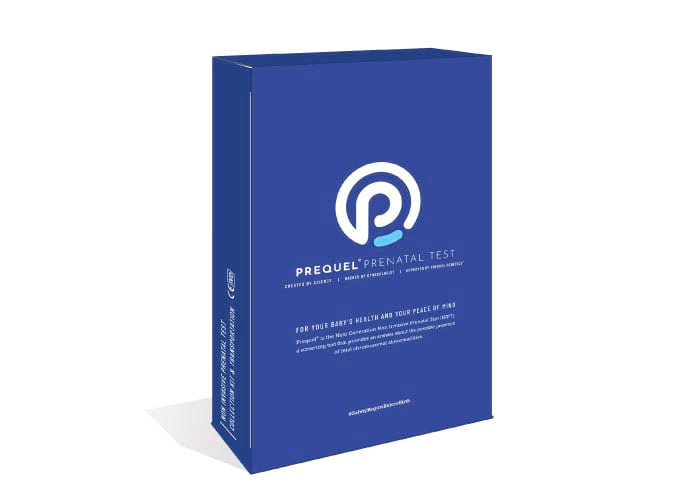
Prequel® (ΝΙΡΤ) test
Prenatal test for all chromosomes and microdeletions ∕duplications - safe, simple and more informative
Read MoreWhat is
Non Invasive prenatal testing (NIPT) is a screening test for certain genetic abnormalities in the early stages of pregnancy. NIPT is designed for both single and twin pregnancies.
I am a gynecologistCutting-Edge Technology
Thanks to cell-free fetal DNA (cffDNA) technology, the Prequel® prenatal test can identify pregnancies with Down syndrome with greater than 99.9% accuracy.
Read More


I am pregnant
Prequel® Prenatal Test by YK Medica
What is the NIPT prenatal test?
What is NIPT?
Noninvasive prenatal testing (NIPT) is a screening test to detect certain genetic abnormalities in the early stages of pregnancy. NIPT is designed for singleton and twin pregnancies and can be performed as early as the tenth week of pregnancy by simply taking a venous blood sample from the mother.
What can NIPT detect?
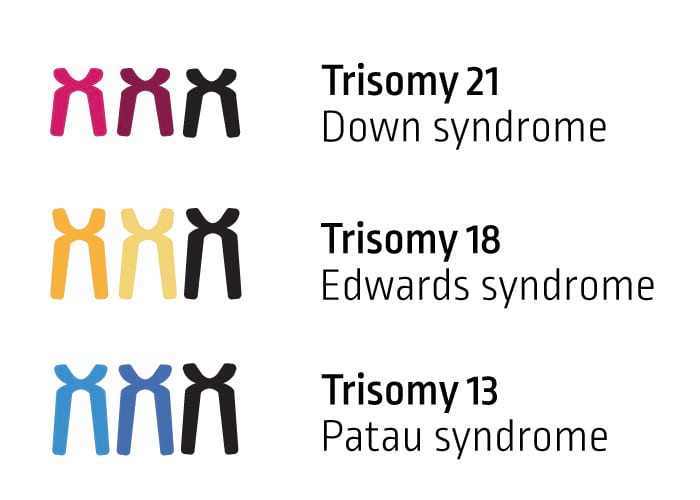
NIPT isolates fragments of DNA (cell-free DNA) in the mother’s blood to provide accurate information about the likelihood of a chromosomal abnormality that could affect the baby’s health. This test can identify the most common chromosomal abnormalities, such as:
- Trisomy 21 (Down syndrome)
- Trisomy 18 (Edwards syndrome)
- Trisomy 13 (Patau syndrome)
- The baby’s gender
- Sex chromosome aneuploidies
- Advanced NIPT tests, such as the Prequel® prenatal test, also offer the option to analyze all other chromosomes and detect a large number of microdeletions and duplications.
Who is NIPT for?
The test is intended for all pregnant women, regardless of the type of pregnancy. It is indicated for single, twin (both monochorionic and dichorionic), including those obtained through medically assisted procreation techniques (PMA), both homologous and heterologous (male, female or double heterologous). The test is useful for monitoring the health and development of the fetus, offering an accurate assessment in all these situations.
In the past, NIPT was offered only to pregnant women with a high risk of chromosomal abnormalities, such as women over age 35 or with a family history of genetic abnormalities. However, professional societies such as The American College of Obstetricians and Gynecologists (ACOG) and The American College of Medical Genetics and Genomics (ACMG)** now recommend NIPT for **all** pregnant women, regardless of age or risk, because it is the most accurate screening test for trisomy 21, trisomy 18, and trisomy 13.
The International Society for Prenatal Diagnosis (ISPD) emphasizes the importance of offering NIPT to every pregnant woman as a primary screening test.
Is NIPT safe?
The Prequel® test is a non-invasive prenatal test (NIPT) that analyzes fetal DNA present in the mother’s blood. Since it requires only a venous blood sample from the mother, it poses no risk to the safety of the baby and is as simple as any other laboratory test.
How accurate is NIPT?
Thanks to cell-free fetal DNA (cffDNA) technology, the Prequel® prenatal test can identify pregnancies with Down syndrome with greater than 99.9% accuracy. In contrast, statistical screening tests for Down syndrome (such as the double marker test or the triple marker test) may miss up to 15% of Down syndrome cases.
What is the purpose of the Prequel® prenatal test?
Trisomies
Our bodies are made up of trillions of cells. Inside each cell is our genetic material, or DNA. DNA is the instruction manual that tells our bodies how to grow and develop. Our chromosomes are made of DNA. We inherit our chromosomes from our parents. Healthy humans have 46 chromosomes, or 23 pairs of chromosomes. Women have two X chromosomes, while men have one X chromosome and one Y chromosome. Sometimes a mistake occurs that causes the sperm or egg to have an extra chromosome or a missing chromosome. If this happens, the pregnancy may also have an extra chromosome or a missing chromosome. Trisomies can occur on any of the chromosomes.
Microdeletion
A microdeletion is the absence of a small part of a chromosome and is named after the missing part of the chromosome. The complete list of 103 microdeletions and duplications that can be detected by the prenatal test Prequel:
Microdeletion 3q27-3q29
Microdeletion 5q22.2q23.1
Microdeletion 22q13 – Syndrome
WAGRO Syndrome
Microdeletion 2q12.1
Microdeletion 6q16
Phelan–McDermid
Yuan-Harel-Lupski Syndrome
Microdeletion 2q12.2
Microdeletion 2q26–q27
Microduplication 18p
Microdeletion 9p
Cat-Eye Syndrome
Microdeletion 20q
Microdeletion 7p21.1–p14.3
Jacobsen Syndrome
Microduplication 20q13.2
Microdeletion 7q21.1–q22.1
Microdeletion 16q21-q22
DiGeorge Syndrome 2 (DGS2)
9q22.3 microdeletion
7q22.1q31.1 microdeletion
1p36 microdeletion
6q11–q14 microdeletion
Langer-Giedion syndrome (LGS)
8p21.3-p23.3 microdeletion
7q31 microdeletion – Childhood verbal apraxia
2p16.1-p15 microdeletion
18q21-qter microdeletion
8q12.1–q12.2 microdeletion
2p11.2 triplication syndrome
6q21q23 microdeletion
7p33–36.1 microdeletion
Xq21 microdeletion
2q12.1-p12 microdeletion
9q13q21.13
Microdeletion 8p12–p12.1
Microdeletion 10q21-q24
Microduplication Xp11.23-p12.2
Microduplication 9p
Microdeletion 8q11–q12.1
Dandy–Walker Syndrome (DWS)
Microduplication 2q31
Microdeletion 11q23.3-11q25
Microdeletion 8q21.11
Microdeletion 18p
Microdeletion 2p31
Microdeletion 14q24.1q
Microdeletion 8q22.1–q23.3
Microdeletion 10q26
Microdeletion Xq28
Microdeletion 15q11-q13
Microdeletion 8q24.11q24.3
3p Microdeletion Syndrome
2q21 Microduplication
2q13 Microduplication
9q21.11–q21.2 Microdeletion
2p12–p11.2 Microdeletion
Alpha Thalassemia Syndrome, Delay
19q13.2 Microduplication
10q24.2–q25.3 Microdeletion
5p14.3 Microdeletion
Mental
19p13.3 Microdeletion
12q24.3–q32.33 Microdeletion
13q14 Microdeletion
16p13.3 Microdeletion
t(4;20)(q11;q13) Translocation
12q22–13q32.1 Microdeletion
10q23.2–q23.2
16p11.2-p12.2 microduplication
20q11.2 microdeletion
14q22–23 microdeletion
Levy–Shanske syndrome
5q12 microdeletion
Xq26.2–q27 .1 microdeletion
15q15.2–q22.2 microdeletion
15q26-qter microdeletion
1p32-p31 microdeletion
2q23.1 microdeletion
17q22 microdeletion
6pter-p24 microdeletion
1p31 microduplication
2q24.1q24.2 microdeletion
18q12.2 microduplication
Split-hand/foot malformation 5 (SHFM5)
Microdeletion 16q22
2q37 microdeletion
18q21.2 microdeletion
Xq23–q28 microduplication
2p25 microduplication
3p14 microdeletion
19q13.1 microdeletion
Holoprosencephaly 6 (HPE6)
15q25 microdeletion
4p15 microdeletion
20q13.2–q13.33 microdeletion
Xp21 microdeletion
2q21.1 microdeletion
21q21.1–q21.3 microdeletion
Cri du Chat syndrome
5p13.3p14.3 microdeletion
About X/Y Chromosome Disorders
Two sex chromosomes (X and Y) determine whether a baby will be male or female. X and Y chromosome disorders occur when one copy of the sex chromosome is missing, has an extra copy, or is incomplete.
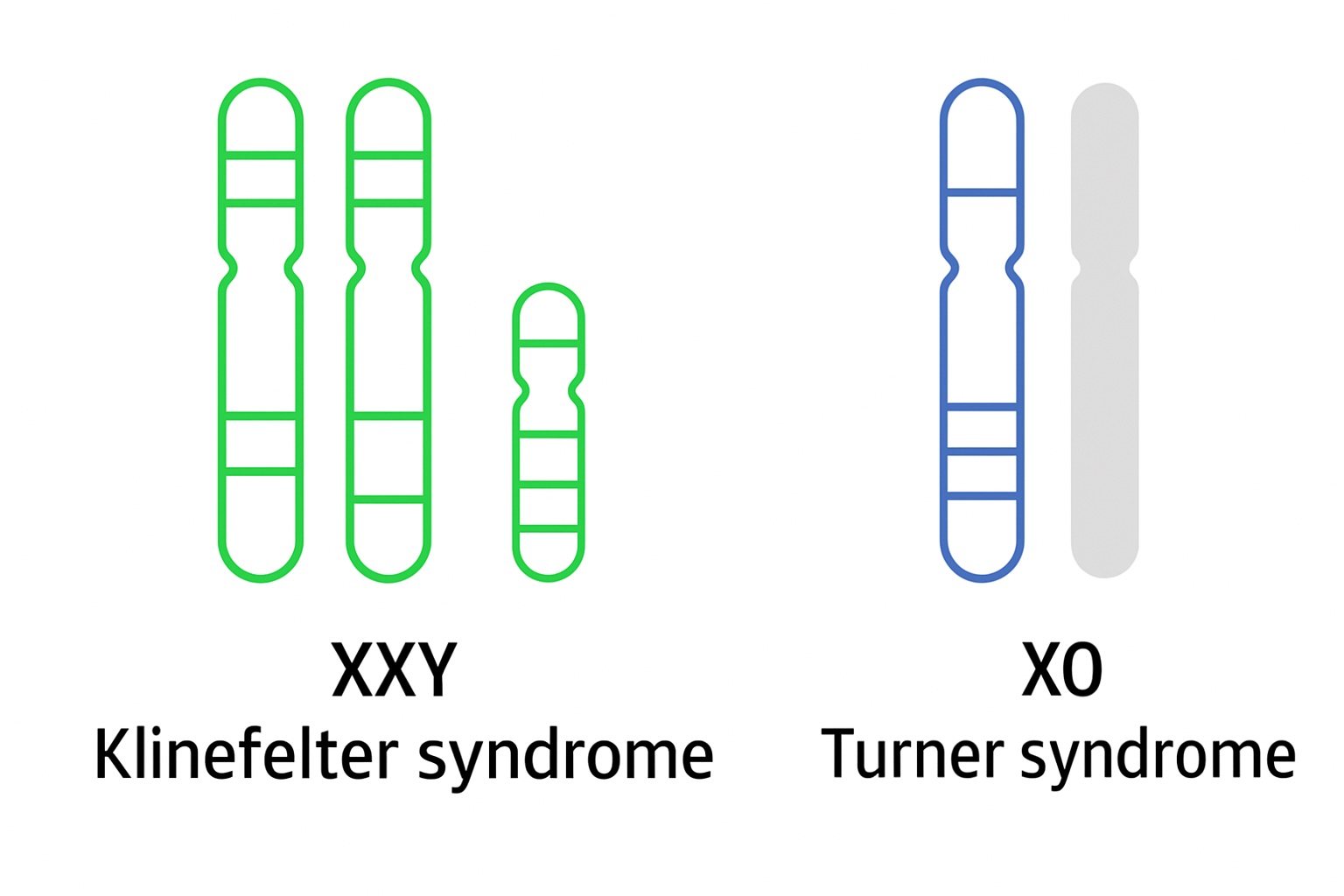
The Prequel test option with analysis of these chromosomes can be used for:
- XXX (trisomy X)
- XYY (Jacobs syndrome)
- XXY (Klinefelter syndrome)
- Monosomy of the X chromosome (Turner syndrome)
These disorders vary greatly in severity. Most affected individuals experience minor mental and behavioral disturbances, as well as infertility.
Turner syndrome
Turner syndrome is a genetic disorder that affects only girls and occurs when one of the two X chromosomes is missing. Turner syndrome can cause a wide range of health and developmental abnormalities, including short stature, impaired ovarian development, and heart defects.
Klinefelter syndrome
Klinefelter syndrome is a genetic disorder in which a male child has an extra copy of the X chromosome, resulting in a 47, XXY genetic record. The main characteristics of this syndrome are infertility and small, poorly functioning testicles. Often, the symptoms and signs are so subtle that even parents and children are unaware of the condition.
Down syndrome risk
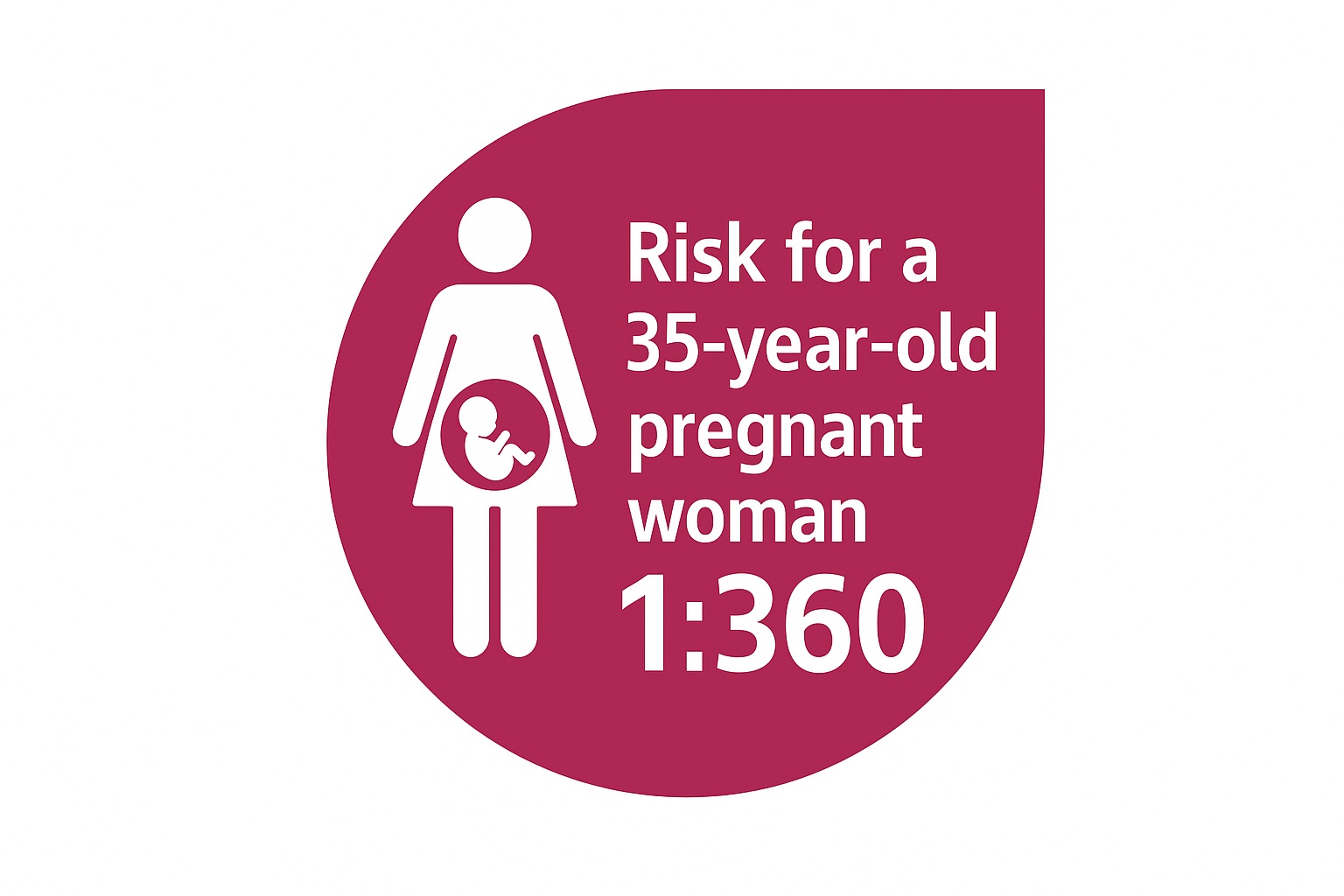
For pregnant women over 35, the ratio is 1:360
Down syndrome is one of the most common chromosomal abnormalities in humans. Parents of children with Down syndrome are, for the most part, genetically healthy. In the highest percentage of cases, Down syndrome is not hereditary. Only if one of the parents is identified as a carrier of a Robertsonian translocation involving chromosome 21 (which occurs in 3-4% of cases), Down syndrome can be considered an hereditary syndrome.
In families that have had children with Down syndrome, the chance of recurrence is 1 in 100.
“The risk of giving birth to a child with Down syndrome increases with the age of the woman: from about 1 in 1,250 children in pregnant women aged 25, to about 1 in 100 children in pregnant women aged 40. However, most children with Down syndrome are born to women under the age of 35, because younger women have more children.”
Why choose the Prequel® test?
- The accuracy of this test is over 99.9%; the fetal fraction is analyzed with the latest 4.0 technology.
It is complete. Over 100 microdeletions and duplications.
It is safe, with no risk to the health of the mother and the baby.
You will not be alone. This test is performed under the advice of a team of experts.
It is fast. The results are obtained in 3-5 working days from the moment the sample is received by the laboratory.
It is convenient. It can be performed in the case of twin pregnancies and IVF.
Our team is composed of highly qualified doctors and scientists, including specialists in human genetics, laboratory medicine, obstetrics and gynecology.
Our team is happy to answer all your questions regarding prenatal diagnosis, NIPT and the interpretation of the Prequel test.
- High success rate
In 99.4% of cases, the Prequel® test provides a result on genetic syndromes.
The probability that the Prequel® test can be performed successfully depends greatly on the amount of cell-free fetal DNA present in the mother’s blood. The percentage of cffDNA also depends on the duration of the pregnancy (the earlier the pregnancy, the lower the percentage of cffDNA), as well as on the mother’s weight (the higher the mother’s weight, the less cffDNA from the baby will be isolated).
- The amount of cell-free fetal DNA circulating
To determine a specific chromosomal disorder in the fetus, the amount of cell-free fetal DNA (“fetal fraction”) must be at least 2% in the mother’s blood. The Prequel® test can be performed from the 10th week of pregnancy (SG 10 + 0), since the amount of fetal DNA in the mother’s blood increases as the pregnancy progresses. By week 21 of pregnancy, the amount of your baby’s DNA increases by 0.1% from week to week, and after week 21, the amount increases by 1.1%.
The partner lab measures the “fetal fraction” with each Prequel® test. If the fetal fraction is less than 2%, the test cannot be evaluated. YK Medica is then notified by the partner lab that a new blood sample needs to be sent at a later date and informs the customer.
NIPT EDUCATION
Prenatal Screening Tests
Prenatal screening tests are designed to provide information about your baby’s genetic health. By learning more about your screening options, you can make an informed decision about which test is right for you. Your doctor will provide you with more information about your testing options.
Prenatal screening tests:
- Assess your risk of certain conditions during pregnancy
- Are safe for pregnancy
- Are followed by additional testing if a diagnosis is needed
- Can be done as early as 10 weeks of pregnancy
Prequel® Prenatal Test
The Prequel® test is a highly reliable test for determining trisomy of chromosomes 21, 18 and 13. It can also provide information on other chromosomes and structural abnormalities (microdeletions and duplications). The test can also be used to determine the sex of the baby and abnormalities in the number of sex chromosomes (X, Y).
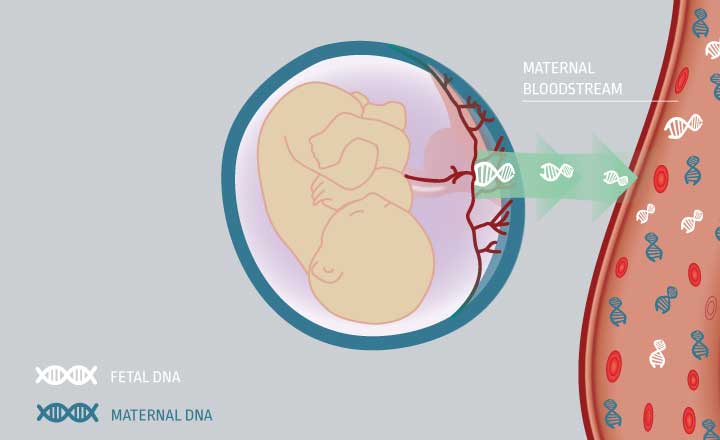
In the event of a positive result (abnormality detected) in the Prequel prenatal test, an invasive diagnostic test should be performed subsequently to confirm the results. Depending on the gestational age of the pregnancy, the following methods are available:
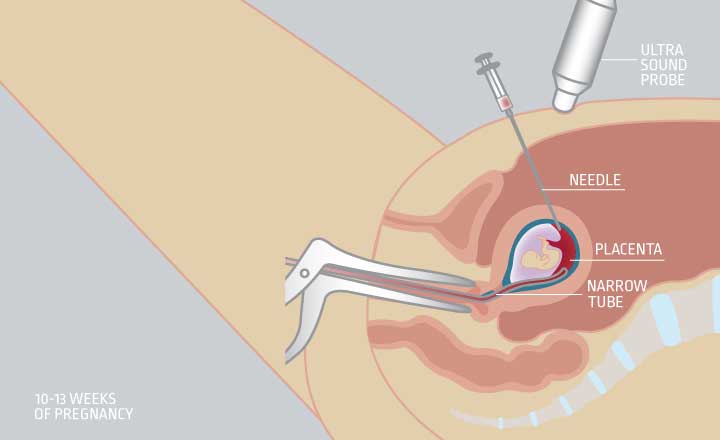
1. Chorionic villus sampling (CVS)
Chorionic villus sampling is an invasive diagnostic procedure in which a sample of fetal placental tissue (chorionic villi) is collected using a long needle under ultrasound guidance. The sample is then analyzed in a genetics laboratory to study the chromosomes. The mother can undergo this procedure between the tenth and thirteenth week of pregnancy. The risk of miscarriage after the procedure varies from 1/140 to 1/4500.
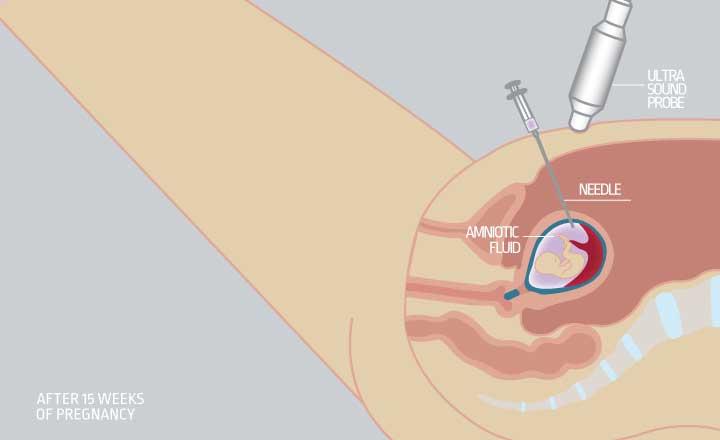
2. Amniocentesis
The amniotic fluid surrounding the baby is removed with a long needle under ultrasound guidance. The fetal cells in the fluid are then analyzed in a genetic laboratory. The procedure is usually performed between the fifteenth and twentieth week of pregnancy. The risk of miscarriage after amniocentesis varies from 1/160 to 1/9000.
3. Cordocentesis
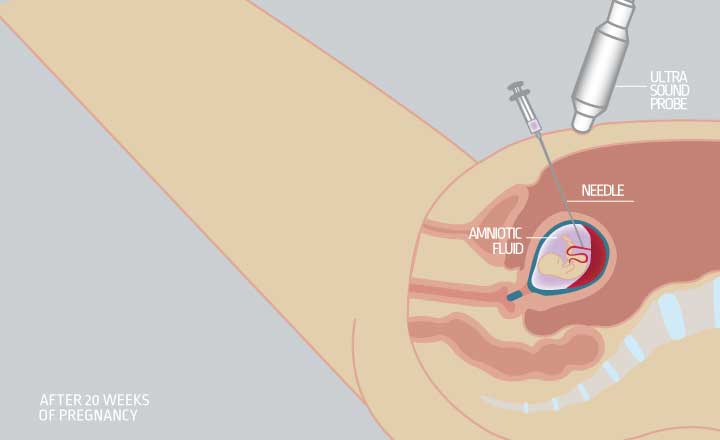
Cordocentesis is an invasive procedure in which a sample of fetal blood is taken from the umbilical cord. Its purpose is to establish a de nitive diagnosis when prenatal tests, specialized ultrasound, or amniocentesis have failed to provide an accurate diagnosis, or if the pregnancy is too advanced to perform an amniocentesis. It is rarely used to examine the appearance and number of chromosomes (karyotype). It is performed after the twentieth week of pregnancy and lasts 30 to 60 minutes. Complications can occur in 1-3% of cases.
What results can you expect from the Prequel® test?
There are three possible results of the Prequel® prenatal test:
- A high-risk result. This means that the chance of a chromosomal abnormality is higher than usual. Therefore, further testing is recommended.
- A low-risk result. This means that the risk of chromosomal abnormalities is low for the abnormalities tested for. The usual course of pregnancy management is recommended.
- No result. In a small percentage of cases, the Prequel® test cannot produce a result.
Further blood tests and new tests or diagnostic tests may be recommended. The chance that the Prequel® test can be performed successfully depends largely on the amount of cell-free fetal DNA (cffDNA) in the mother’s blood. The percentage of cffDNA also depends on the length of the pregnancy (the earlier the pregnancy, the lower the percentage of cffDNA), as well as the mother’s weight (the higher the mother’s weight, the less cffDNA from the baby will be isolated).
Negative (normal) test result
The Prequel® test determines the risk of trisomy 21, 18 and 13 and, upon request, the risk of numerical changes in the X and Y sex chromosomes, as well as other chromosomes. In the case of a negative test result without pathological ultrasound findings, the presence of the tested disorders in the baby can be excluded with a high level of accuracy.
All NIPT methods have limitations when it comes to determining mosaicism and changes in chromosome structure. The Prequel® test examines the most common chromosomal disorders, so it cannot identify physical disorders in the baby; therefore, a negative (normal) test result cannot exclude the possibility of other disorders in the fetus. A large number of these disorders can be identified by a precise ultrasound examination, most commonly from the 12th week of pregnancy. Genetic tests, such as the Prequel® test, can never replace an ultrasound exam.
Positive (abnormal) test result
If the Prequel® test shows a positive (abnormal) result, there is a high probability that the fetus has one of the chromosomal abnormalities tested. However, since the test can give a false positive result, the positive (abnormal) result must always be confirmed by another diagnostic method, an invasive method (chorionic villus sampling, amniocentesis or cordocentesis).
A further chromosomal analysis of these samples can then provide a de nitive diagnostic result. As part of the information process, the geneticist will explain all the possible effects of the chromosomal disorder and provide you with information on further diagnostic testing options. In addition, in the event of a positive test result, YK Medica will cover the laboratory cost of the invasive method (not the fetal specialist’s cost), since the sample will be sent to specific, affiliated to YK Medica, laboratory.
Contact Us
Let’s talk
If you have any questions do not hesitate to contact us